


The free trade agreement between the EU and India should also bring benefits for the ports in Hamburg and Mumbai. A German delegation has traveled to South Asia to sound out future cooperation.
Under the leadership of Hamburg’s Senator for Economic Affairs Melanie Leonhard, company representatives will discuss the prospects and opportunities for future cooperation. The state leader of the SPD said: “In the current global environment, it is once again clear that our ports are not only used for the exchange of goods and commodities, but also for trust, partnership and constructive cooperation. They are drivers of economic growth and promote employment, innovation and resilience. Hamburg and Mumbai share not only a maritime heritage, but also a firm commitment to rules-based global trade and open markets, from which we have historically and will continue to benefit.”
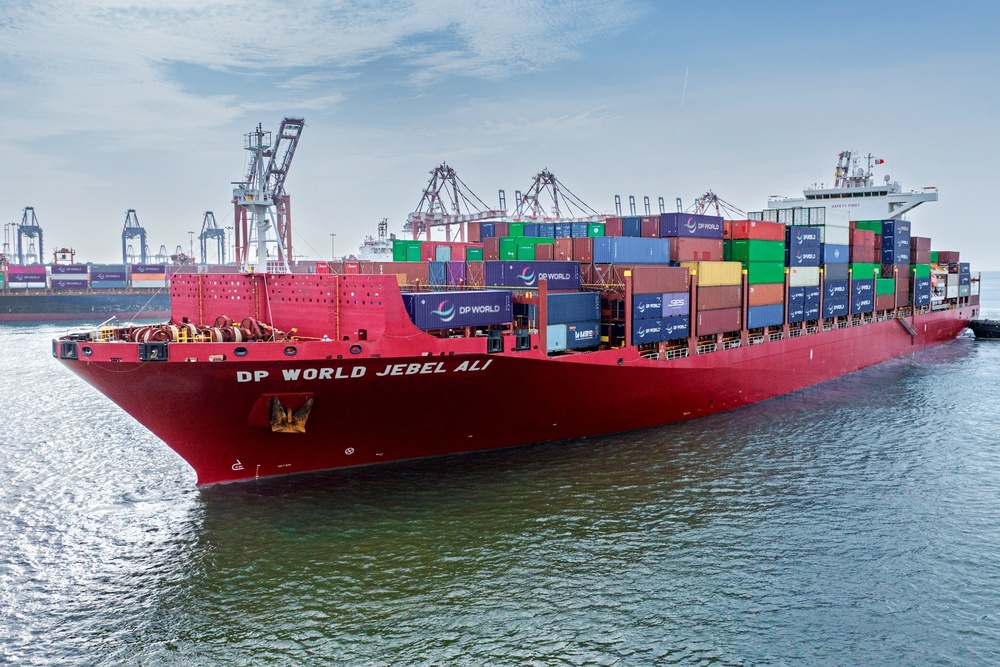
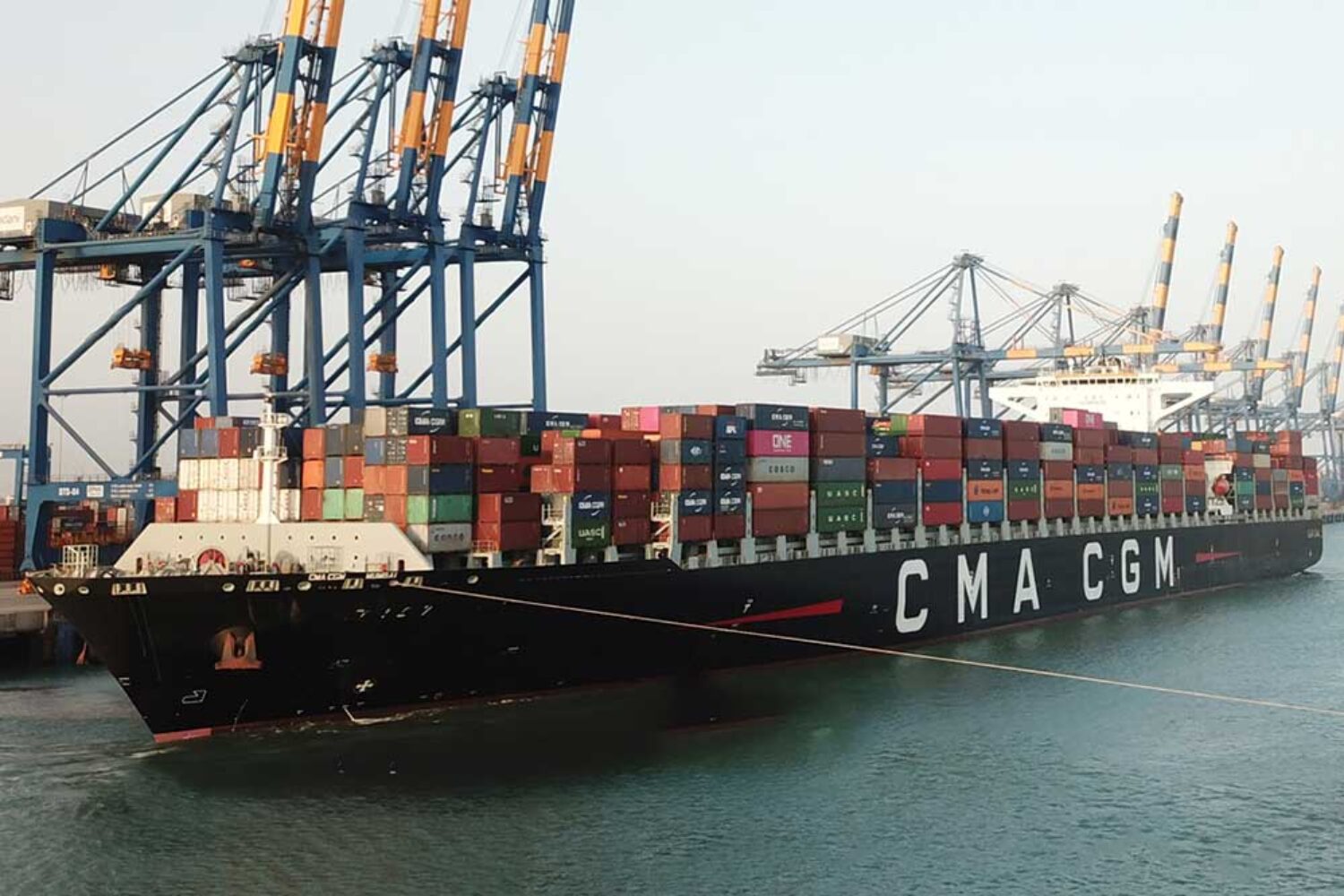
There are broad economic and trade relations between India and Hamburg. Significant parts of German imports and exports from or to India are handled via the Port of Hamburg. Most recently, trade by sea grew to more than 200,000 TEU. With a share of around 70%, Mumbai is the most important port on the Indian side. The Hamburg-based shipping company Hapag Lloyd has a market share of around 28% by volume of freight on this route. According to a Senate statement, “extensive potential for the further development of cooperation” was identified during a local exchange with shipping company representatives, port and terminal operators and Mumbai Port officials.
The delegation from Hamburg, in which the Bremen Senate is also participating, is building on the conclusion of the free trade agreement (EU-India trade agreement) in January 2026. The hope of additional business was also communicated by Bremen’s business community shortly after the agreement was signed. It is expected that the details of the agreement will be finalized and ratified in the coming year. In order to fully exploit the hoped-for additional opportunities for the German economy and in particular for Hamburg as a foreign trade location, the dismantling of non-tariff trade barriers also plays an important role in further economic relations.
Leonhard emphasized: “The crises of recent years have shown how vulnerable supply chains and the interrelationships in the global division of labour can be. As port cities, we are adapting to this. We can benefit from joint solutions because we also share the challenges – the decarbonization of shipping and logistics, the implementation of the digital transformation, the expansion and modernization of port infrastructure as well as realignments on the geopolitical stage.”
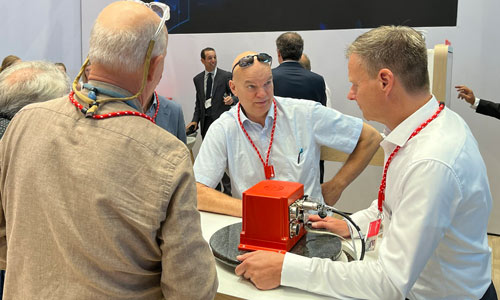
One example of a future intensified exchange is the world’s leading trade fair for shipbuilding, which takes place in Hamburg in September and already has a local format in India. There are already 25 Indian exhibitors at the SMM. The Hamburg delegation also submitted an invitation to the Indian national government in talks with Viajay Kumar, Permanent Secretary in the Ministry of Ports, Shipping and Waterways. Among other things, India’s plans to expand port infrastructure and increase capacity (“Maritime India Vision 2030”) as part of the Sagarmala project were discussed during the meeting.
From an Indian perspective, Hamburg can also represent a strategic hub for trade between the two countries. In addition to numerous local companies, ongoing trade relations and exchange formats, Hamburg’s local presence is also supported by the Hamburg Representation Office. During the visit, over one hundred participants first exchanged ideas at a specialist workshop and took part in a networking event to establish new contacts.
“Hamburg invested in the partnership with Mumbai at an early stage. This is paying off,” says Sameeha Sule, Hamburg Representative in Mumbai: “It’s great to celebrate this special milestone with a large delegation from Hamburg – 15 years of the Hamburg Office in Mumbai! India has changed a lot during this time, as has the perception of India in Hamburg. At the same time, these years have shown how powerful simple connections can be – between people, ideas and opportunities.”