




US Secretary of State Marco Rubio sharply criticizes the Iranian blockade of the Strait of Hormuz. On Fox News, he called the blockade an “economic nuclear weapon” against the world.
From Washington’s point of view, Iran is thus deliberately relying on a means of exerting pressure with a global impact.
Rubio linked his criticism directly to the dispute over Iran’s nuclear program. The leadership in Tehran must never be allowed to acquire nuclear weapons, he said. Otherwise, he believes Iran could hold the entire region hostage. In addition to his position as Secretary of State, Rubio is also National Security Advisor to US President and war intiator Donald Trump.
Negotiations are not making progress
Diplomatic efforts to resolve the conflict have currently stalled. Iran recently presented a new proposal. According to experts, this envisages an opening of the Strait of Hormuz and an end to the war. However, the controversial nuclear program is to be negotiated at a later date.
Trump is said to be skeptical of the proposal. According to the Wall Street Journal, he has not explicitly rejected the proposal, but doubts the sincerity of the Iranian leadership.
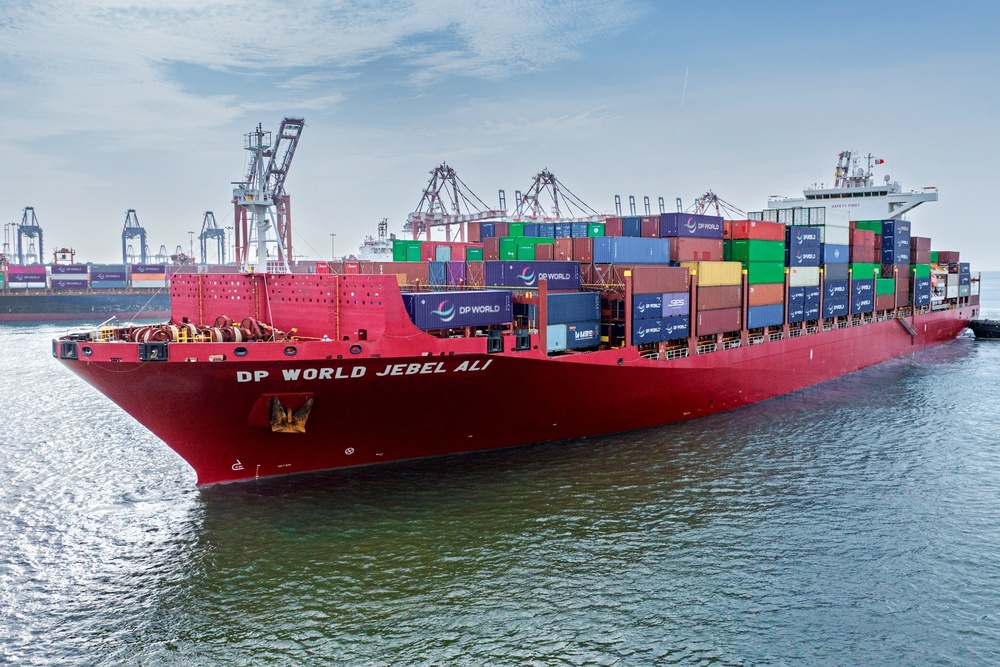
The blockade of the Strait of Hormuz is considered a key means of pressure by Tehran. The strait is of considerable importance for the transportation of oil and liquid gas from the Persian Gulf states. As, according to the information available, hardly any ships are still using the passage, world market prices for crude oil and LNG are currently rising.
USA puts Iran under pressure with naval blockade
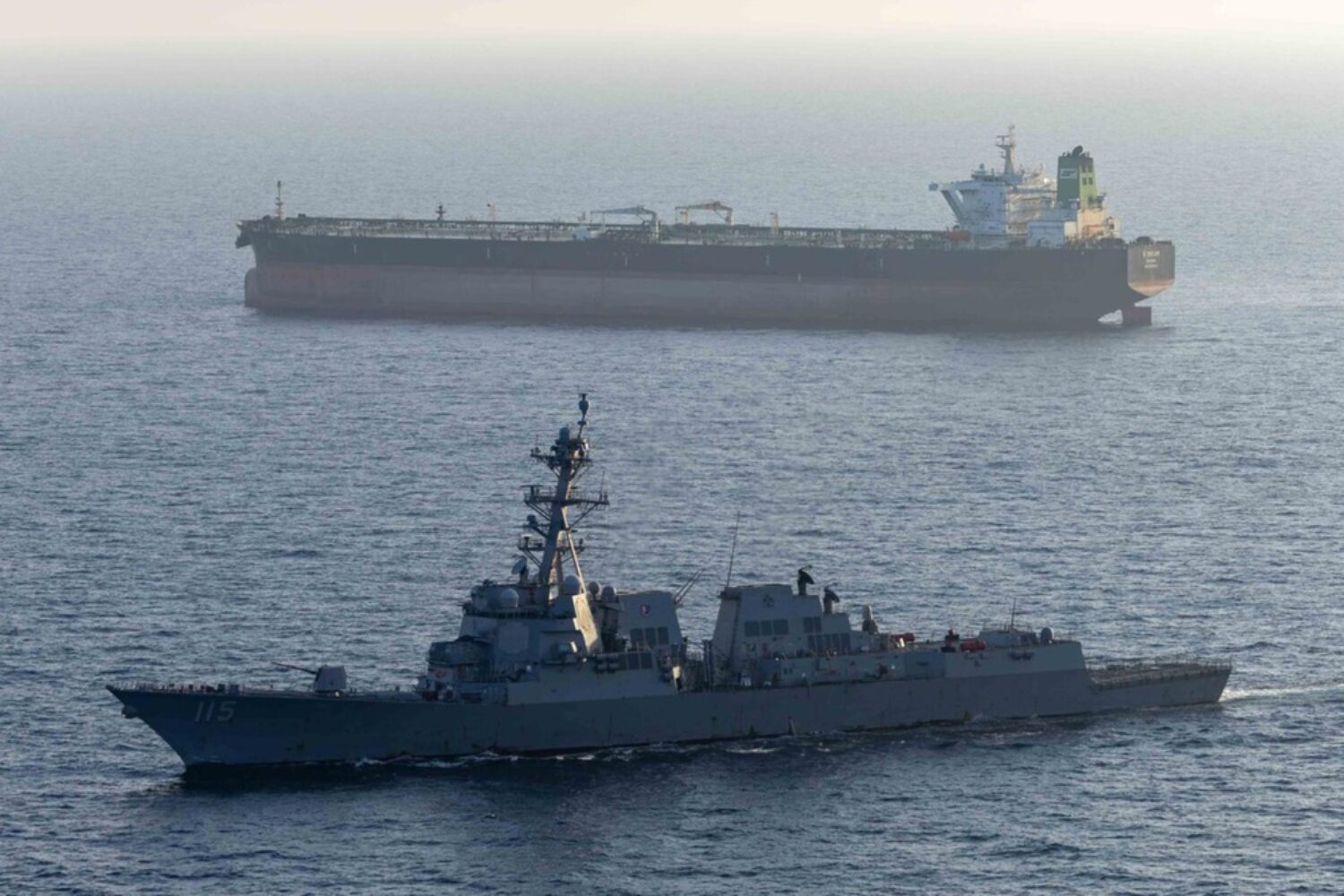
Washington is also resorting to coercive maritime measures. The US has imposed a naval blockade against Iran in order to cut off the leadership in Tehran from oil export revenues. US Treasury Secretary Scott Bessent stated on Platform X that Iranian oil production would soon “collapse” as a result of the blockade. There will also be shortages of gasoline in Iran.
The US military recently intercepted sanctioned Iranian oil tankers on the high seas. Tehran therefore accuses Washington of piracy. The spokesman for the Iranian Foreign Ministry, Ismail Baghai, spoke on “X” of a legalization of piracy and armed robbery at sea. It was a return of the pirates, this time with state powers.
Ceasefire remains fragile
A formal ceasefire is currently in place in the Iran war, which began two months ago. However, according to political observers, a lasting political solution is currently not in sight. At the weekend, Trump canceled a planned trip by his negotiators to Pakistan at short notice. The government in Islamabad is mediating between the parties to the conflict.
Among other things, the USA is demanding that Iran hand over highly enriched uranium and refrain from building a nuclear bomb. Tehran rejects the accusation that it is seeking nuclear weapons, but insists on its right to a civilian nuclear program, including uranium enrichment. Preventing an Iranian nuclear bomb was one of the declared aims of the current war and the US air strikes on Iranian nuclear facilities last June.