


The war between the USA and Iran continues to put a strain on shipping in the Persian Gulf. UN Secretary-General António Guterres has now called on the sides to continue their talks to end the conflict.
At the same time, the UN focused on the situation of seafarers and the safety of shipping in the Strait of Hormuz.
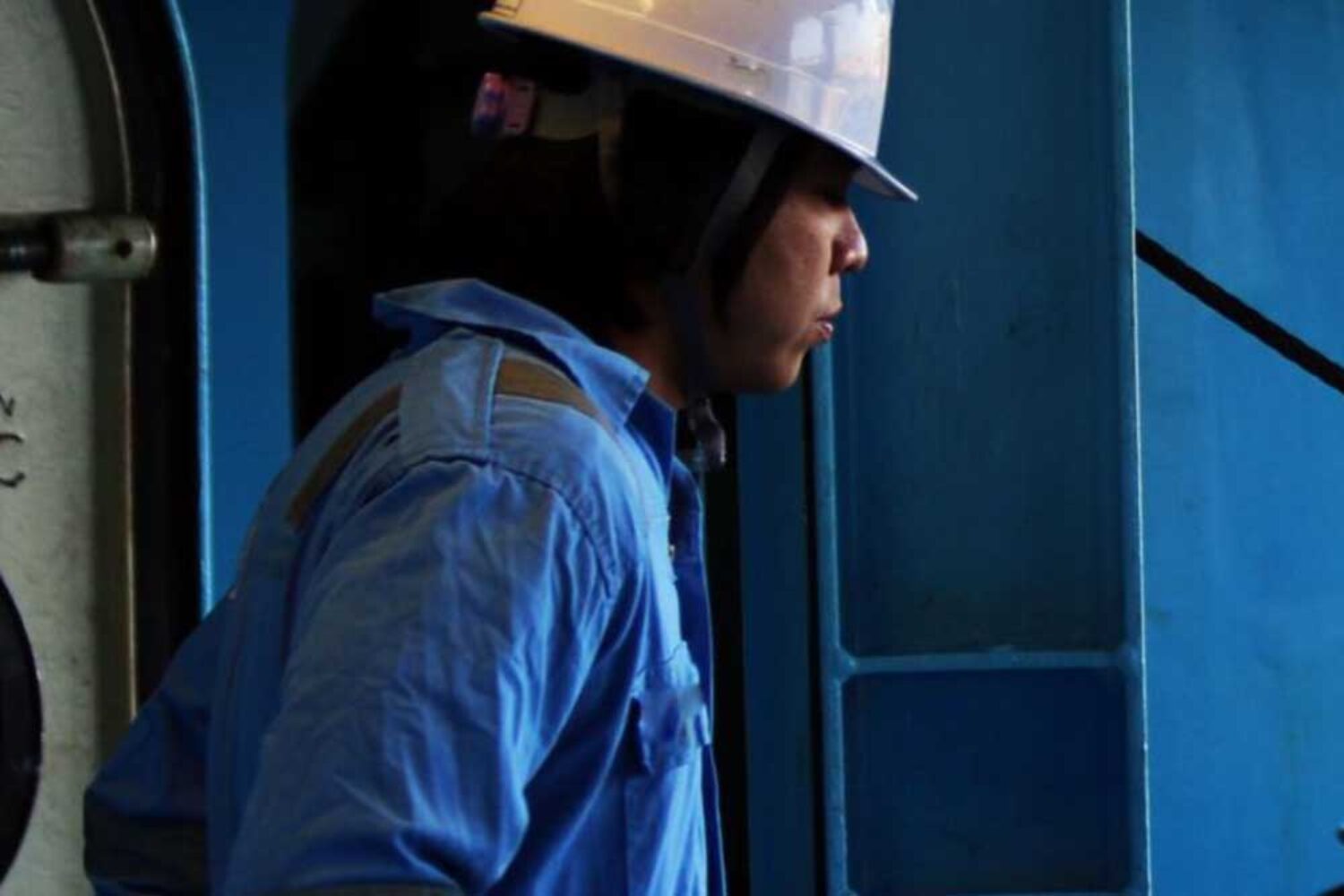
According to the United Nations, around 20,000 seafarers are currently stranded on ships in the Persian Gulf. They are exposed to increasing stress on a daily basis. IMO Secretary-General Arsenio Dominguez also warned of the consequences for the crews. Those who are stuck on board for weeks are not only affected by supply bottlenecks, but are also exposed to the constant risk of ships becoming the target of attacks.
The importance of the region for shipping is illustrated by figures from the Food and Agriculture Organization of the United Nations (FAO). Under normal conditions, 35% of the global crude oil trade, or around 20 million barrels, pass through the Strait of Hormuz every day. In addition, 30% of the global fertilizer trade and a fifth of global LNG traffic pass through the Strait of Hormuz. Disruptions on this route therefore not only have an impact on energy and commodity markets, but also on supply chains and the supply of many countries.
The UN also warns that disruptions to the transport of fertilizers and primary products could further exacerbate food security in many regions. At the same time, the newly established UN task force on the Strait of Hormuz is working on its design. In addition, special envoy Jean Arnault continues to be active in the region to support a comprehensive and lasting agreement.
IMO chief: “There is a constant threat”
The head of the International Maritime Organization (IMO), Arsenio Dominguez, highlighted the risks in his remarks to country delegations gathered for a meeting to discuss security threats at sea. “It would be very easy for anyone to imagine being in a situation where you have been trapped on board a ship for over a month and unable to navigate,” he emphasized.
“There is always the worry that supplies could run out. There is a constant threat that a ship could be targeted or attacked, putting the lives of seafarers at risk,” Dominguez continued.