




The value of Norwegian crude oil exports rose to a record level in March. This is due to the war-related distortions on the oil market as a result of the conflict with Iran and the closure of the Strait of Hormuz.
According to Statistics Norway, crude oil exports reached the equivalent of around $6.08 billion (NOK 57.4 billion) in March, an increase of 67.9% compared to the same month last year. The average oil price in March was €91.19 (NOK 1.014) per barrel, the highest monthly level since September 2023.
US President Donald Trump also commented on the sharp rise and called on the UK to increase its own oil production. He wrote on his own social media platform Truth Social that Europe was suffering from an acute energy shortage, while the UK was still refusing to develop its North Sea reserves. Trump literally stated that Norway was selling its North Sea oil to the UK “at twice the price” and making “a fortune” from it.
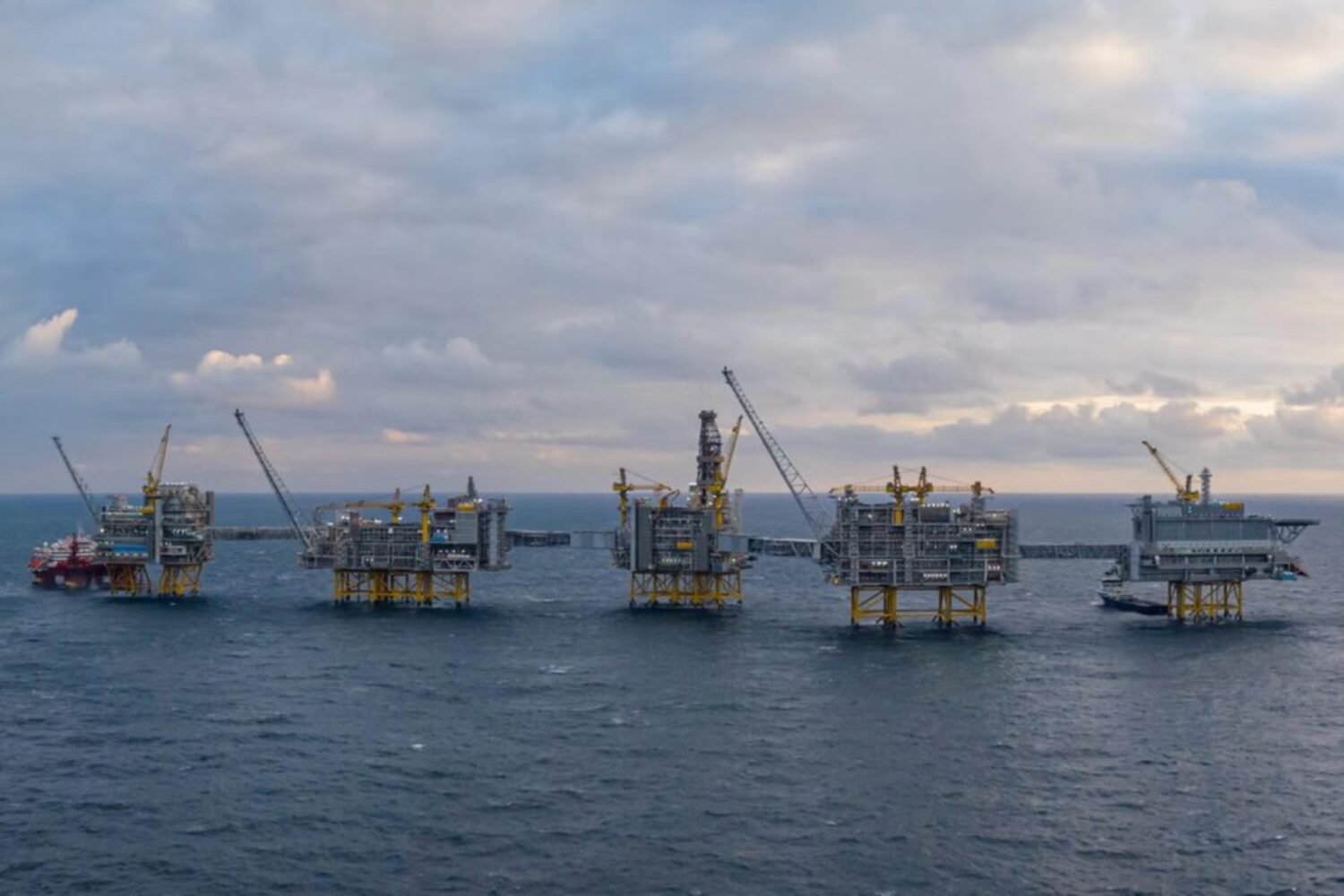
“The North Sea is a mature oil and gas production area that has been in decline for a long time – that’s a geological reality that no political slogan can change,” countered Laura Anderson, Senior Associate at the Energy and Climate Intelligence Unit (ECIU).
Norway’s economy “benefits” from conflict
According to the statistics office, the closure of the important shipping route has caused a considerable supply shock on the oil market. The Strait of Hormuz is considered one of the central bottlenecks in the global energy system. In peacetime, around a fifth of the world’s crude oil and LNG volumes pass through this passage.
The Scandinavian country with a population of 5.57 million benefits from its development as Europe’s largest oil and gas producer outside Russia. A large part of the country’s prosperity is based on income from the production of oil and gas in the North Sea. Some of these funds flow into the state pension fund, which is the largest sovereign wealth fund in the world with assets of around $2.19 trillion.
The fund was set up in the early 1990s to secure the future financing of the Norwegian welfare state. The background to this is the expectation that revenues from the export of fossil fuels will decline in the long term.