




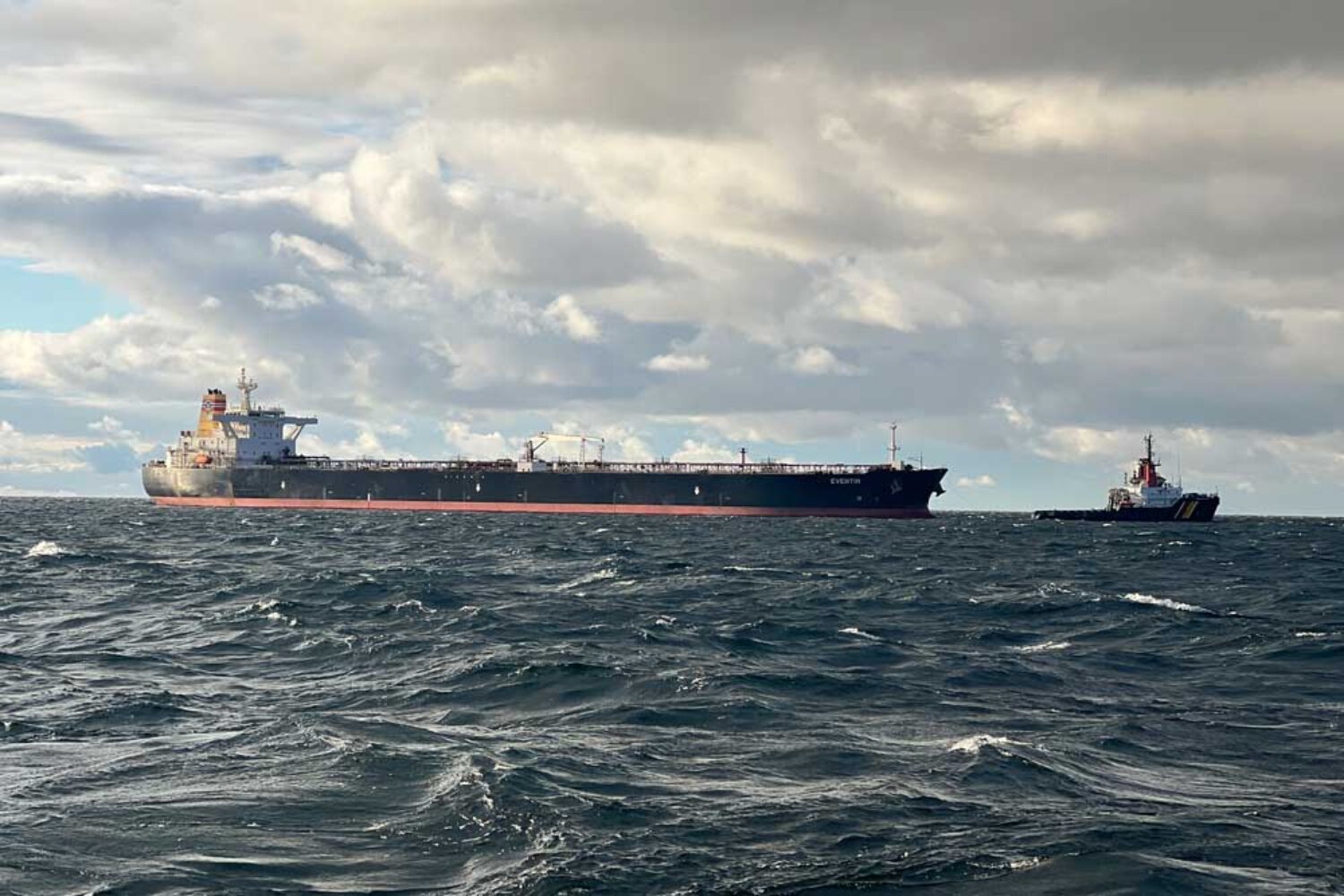
Even a single damaged tanker from the shadow fleet would have far-reaching consequences for the Baltic Sea ecosystem. This is the result of simulations by the Helmholtz Center Hereon.
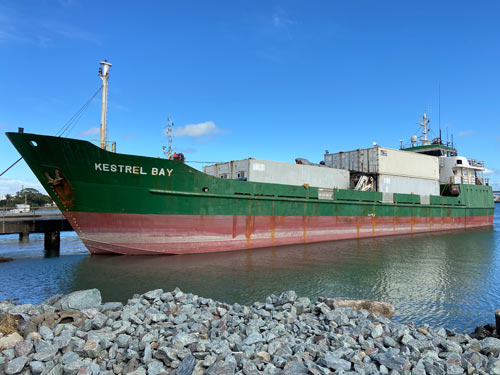
Despite far-reaching sanctions imposed by the EU, the UK and the US, Russia continues to export oil to finance its war against Ukraine. But with the old, either poorly insured or uninsured ships of the “shadow fleet”, Russia is not only circumventing the West’s measures, but also posing a major threat to the environment.
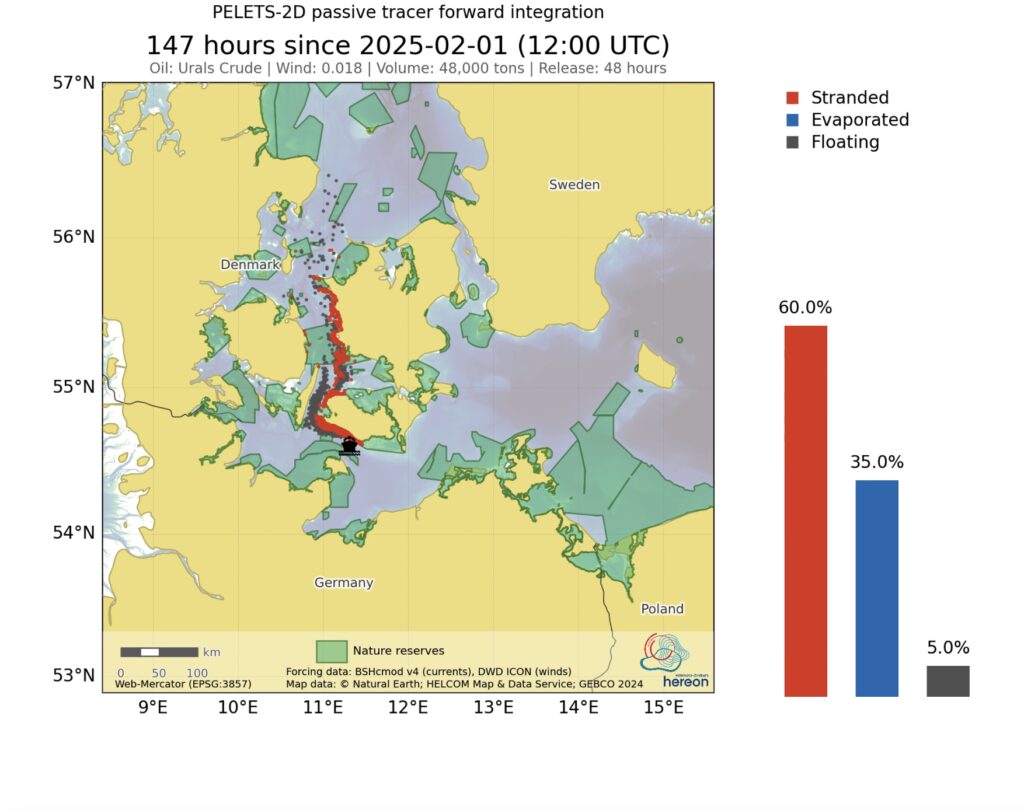
New simulations by the Helmholz Centre Hereon, which were created for the environmental organization Greenpeace, show just how big a threat. They show that even the accident of a single oil tanker from the shadow fleet would severely damage the coasts of the Baltic Sea and the entire marine ecosystem along the tanker route. In the event of an oil spill, coastal states from Finland to Poland, Germany and Denmark would be affected. Marine and coastal protection areas would be permanently polluted and seabirds, marine mammals and fish would lose their habitat. The most popular vacation areas along the Baltic Sea coast would also be polluted for years.
“The last thing the already severely threatened Baltic Sea needs is an oil spill. The simulations show how this will pollute the ecosystem for decades,” says Greenpeace marine biologist Thilo Maack. “Foreign Minister Johann Wadephul must finally put his money where his mouth is and put flagless and therefore stateless tankers on the chain.”
Simulation shows the spread of an oil slick
The study simulates a total of eight different accident sites along the tanker route from the Russian oil port of Primorsk to Skagen in Denmark, where the Baltic Sea joins the North Sea. The Helmholtz-Zentrum Hereon calculated how 48,000 tons of “Ural Crude” oil would spread over a period of 30 days. Current and wind data from the Federal Maritime and Hydrographic Agency was used for this. The simulation can be viewed at Greenpeace.
The environmental organization explained that the existing sanctions cannot prevent the export of Russian oil from outdated, poorly maintained and underinsured tankers. “In the event of an oil spill, German taxpayers would be left to foot the bill,” Greenpeace said. “So-called ghost tankers sail without flag affiliation, which invalidates any insurance. Some tankers are also sailing without a valid IMO number, which is illegal and constitutes a criminal offense under international maritime law.”
In mid-December, the EU Council, with the support of the German government, declared its intention to take action against these tankers, as they do not fall under international maritime law and therefore have no right of innocent passage. Since then, only one flagless tanker, the “Tavian”, has been refused entry to German territory in the Baltic Sea. In 19 other cases, the ships were able to pass through unmolested by the German authorities.
“The facts are overwhelming, the German government must finally take action against the shadow fleet and its ghost tankers,” says marine biologist Maack.
The best-known case of a shadow tanker in German waters is the “Eventin”. The approximately 20-year-old ship was transporting around 100,000 tons of crude oil through the Baltic Sea in January when all of its on-board systems failed. The main customs office in Stralsund confiscated the ship after the accident, but the Federal Fiscal Court raised legal doubts about this.