


The German environmental protection organisation NABU has commissioned a study. According to the study, ships with LNG propulsion cannot switch off their engines while using shore power. NABU has therefore questioned LNG as a “bridging technology”.
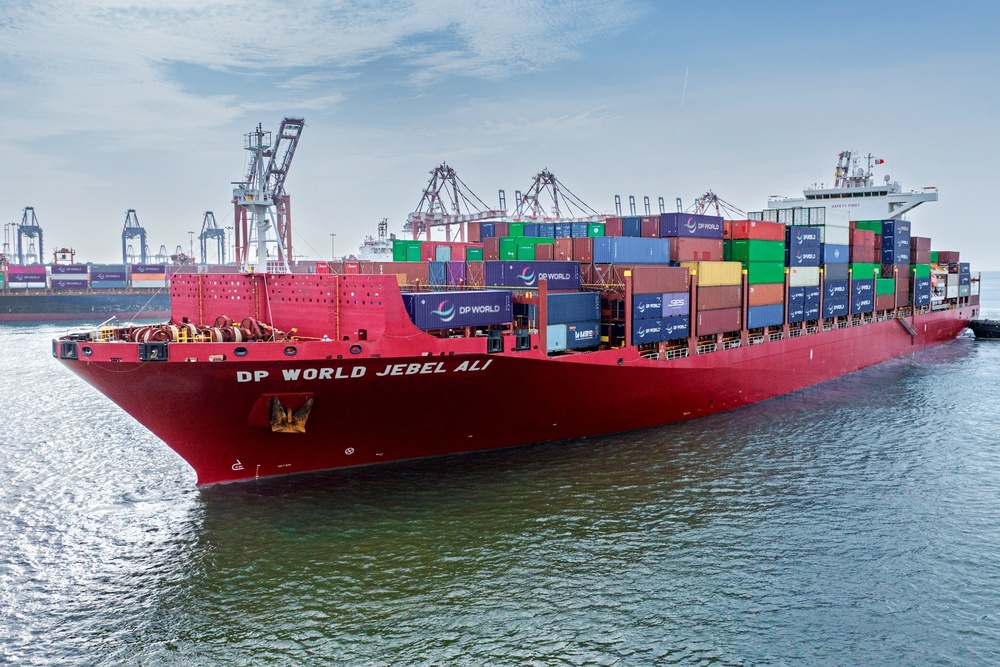
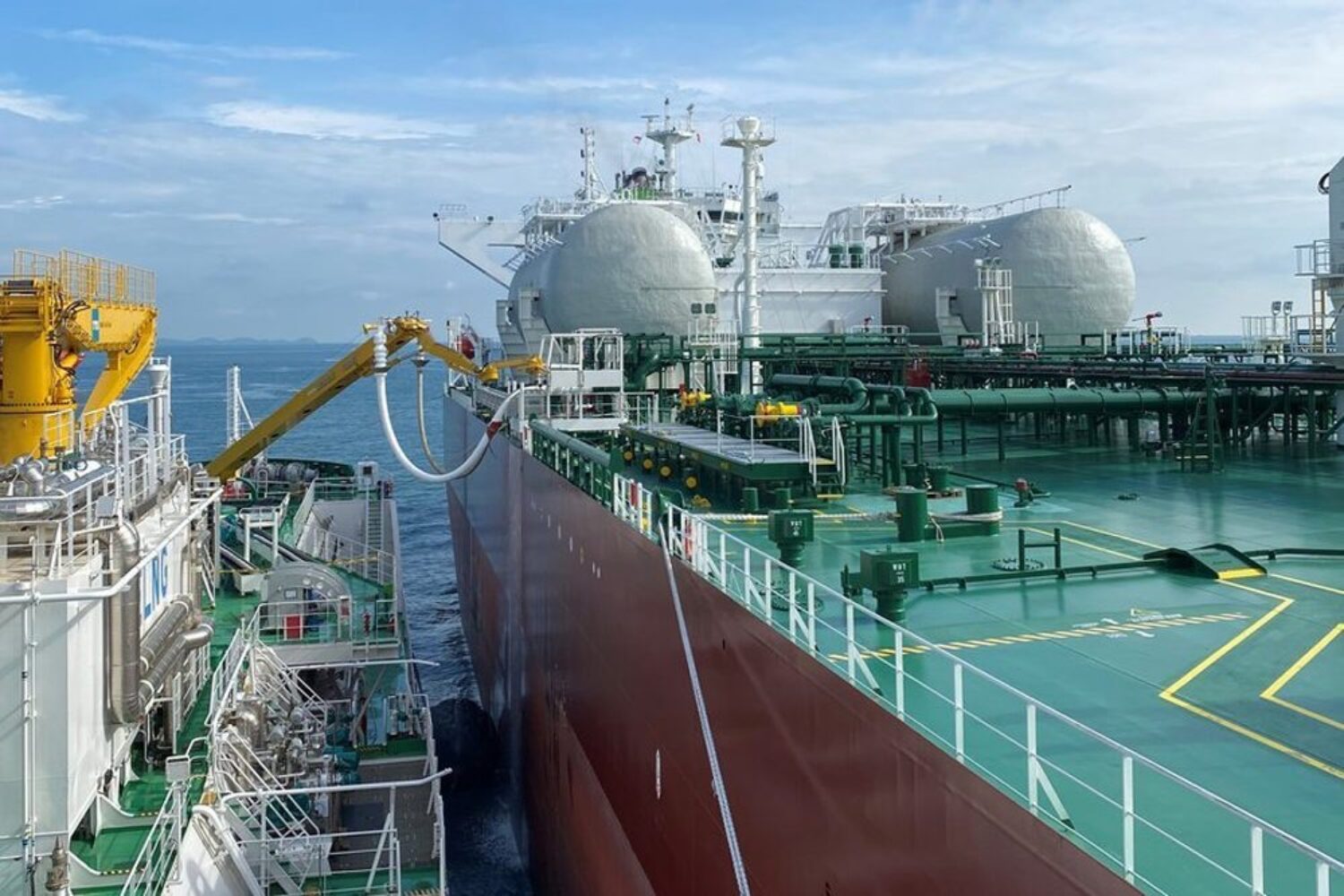
LNG (liquefied natural gas) has become one of the most important alternative fuels in shipping. A significant proportion of the newbuilds currently on shipyard order books will be equipped with dual-fuel engines and designed to run on LNG. The fuel is considered a more climate-friendly alternative to conventional heavy fuel oil and marine diesel. Another measure to reduce greenhouse gas and pollutant emissions is the use of shore-side electricity in ports. In the EU, this will be mandatory for many ship types from 2030. However, the two technologies may only be compatible to a limited extent.
The nature conservation association NABU commissioned the study from the Delft Research Institute, which highlights a potential conflict between the two approaches. The study concludes that LNG-powered ships cannot easily switch off their engines during laytime without risking additional emission and safety problems. This could hinder the effective use of shore power.
“The results clearly show that LNG is not a sustainable bridge technology for shipping,” said NABU shipping expert Sönke Diesener. “Many LNG ships will only be able to implement the future mandatory use of shore power to a limited extent. This is due to boil-off gas, which is inevitably produced during the storage of LNG and must be continuously managed. If this gas is not used via the ship’s engines during port calls, it can lead to additional methane emissions or safety problems due to pressure increases in the tanks. LNG therefore threatens to undermine key measures to reduce emissions in ports.”
Climate footprint of LNG under scrutiny
LNG is considered an important alternative to conventional fuels, particularly due to its lower air pollutant emissions. This is significant given that shipping accounts for around 3% of global greenhouse gas emissions. However, according to NABU, the overall climate balance of LNG must be viewed critically. “When operating LNG ships, methane escapes, which has a short-term climate impact around 85 times greater than CO2,” the association stated. “Studies show that LNG therefore often offers no climate advantage over conventional fuels.”
According to NABU, the study shows that technical ship design and regulatory requirements for emission-free port operations have not yet been sufficiently coordinated. The main problem is that LNG ships must still safely manage excess gas even when connected to shore power, without being able to use it efficiently for energy generation.
“The maritime energy transition needs solutions that are compatible with climate neutrality in the long term,” says Diesener. “Investments in LNG could lock in fossil infrastructure for decades and slow down innovation. Instead, political framework conditions must be consistently geared towards truly climate-neutral fuels such as green ammonia or methanol. At the same time, technical standards, port infrastructure and regulatory requirements need to be more closely aligned to ensure that emissions reduction in ports actually works.”