




The powerful Greek shipowners’ association Union of Greek Shipowners (UGS) has warned of the consequences of planned climate regulations for international shipping.
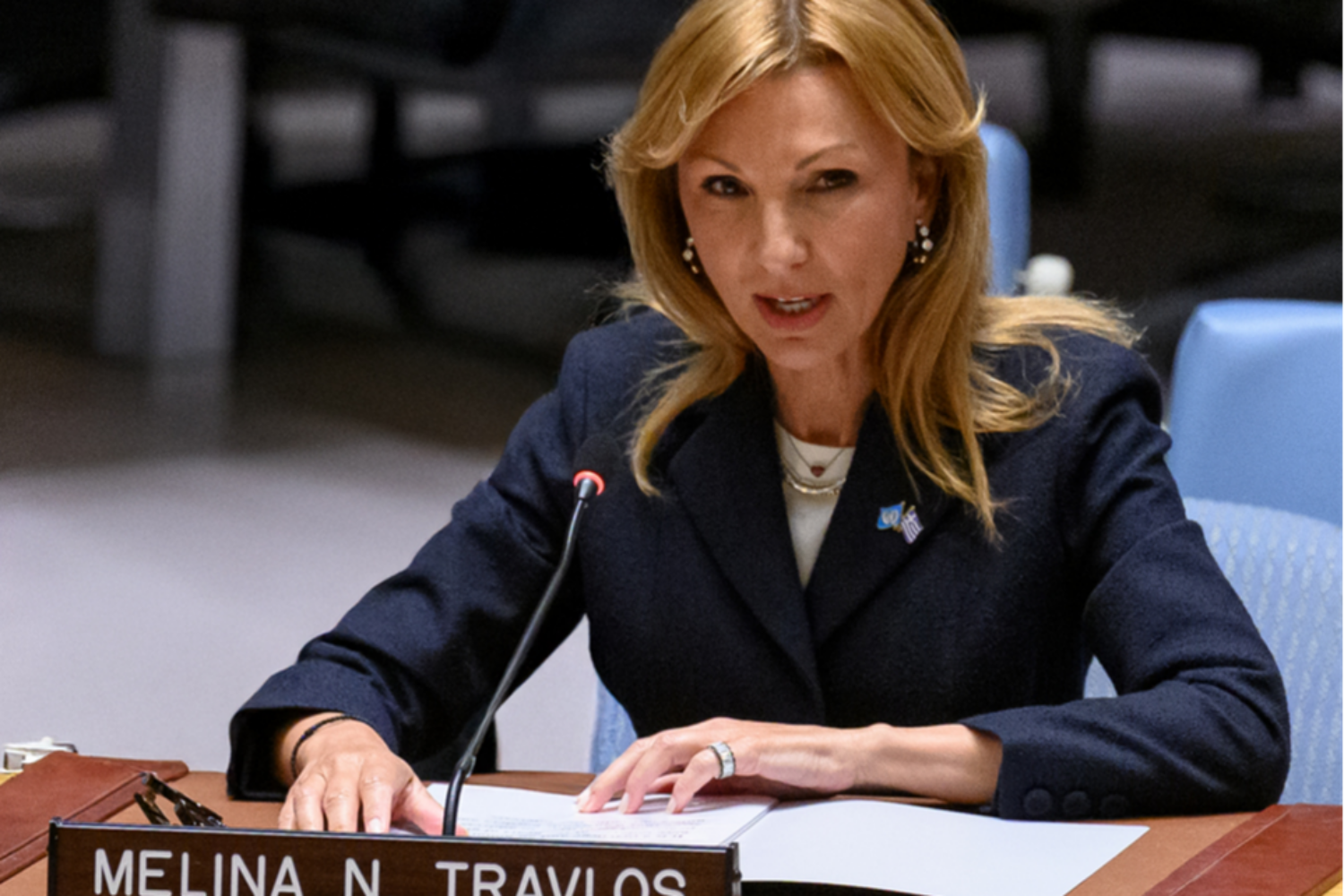
In a statement on the occasion of the upcoming meeting of the Marine Environment Protection Committee (MEPC 84), the President of the Union of Greek Shipowners (UGS), President Melina Travlos, stated that the draft “Net-Zero Framework” is not a suitable solution.
Although the Greek shipping industry remains clearly committed to decarbonization, “ambitious goals must be based on realism”, explained Travlos. The current draft is “not an appropriate solution”. She referred to the lack of support from “large and influential states that represent a significant proportion of global tonnage”.
Demand for feasibility
Instead, the UGS is calling for a “global, realistic and implementable solution” that ensures a “just and equitable transition”, while at the same time preserving security and safeguarding investments. Otherwise, there is a risk of a “fragmented regulatory landscape characterized by regional measures that distort competition”. According to the association, such a path would neither promote the global decarbonization of shipping nor strengthen the role of the IMO as a central regulator.
According to the Greek shipowners, the experience gained from previous negotiations should be used to examine alternative approaches. The active participation of the industry is crucial in order to create a robust regulatory framework. This must ensure both environmental goals and the resilience of the sector, while also supporting the well-being of societies worldwide.
The criticism is accompanied by warnings of economic disadvantages. According to agency reports, Greek shipowners do not consider the planned net-zero framework to be realistic. They point out that clean fuels and new technologies are not yet available everywhere or are too expensive. This could increase costs and distort competition.
“We call on governments to support the industry’s commitment with the necessary political will and determination,” concluded Travlos.