




According to the UN Conference on Trade and Development (UNCTAD), the ongoing disruptions in the Strait of Hormuz are now having an impact on the global economy that goes far beyond the energy sector.
In a new rapid assessment, UN Trade and Development (UNCTAD) warns of the growing economic consequences of the ongoing disruptions in the Strait of Hormuz. It cites a slowdown in global trade, rising prices, higher financing costs and additional pressure on developing countries.
Critical supply route almost paralyzed
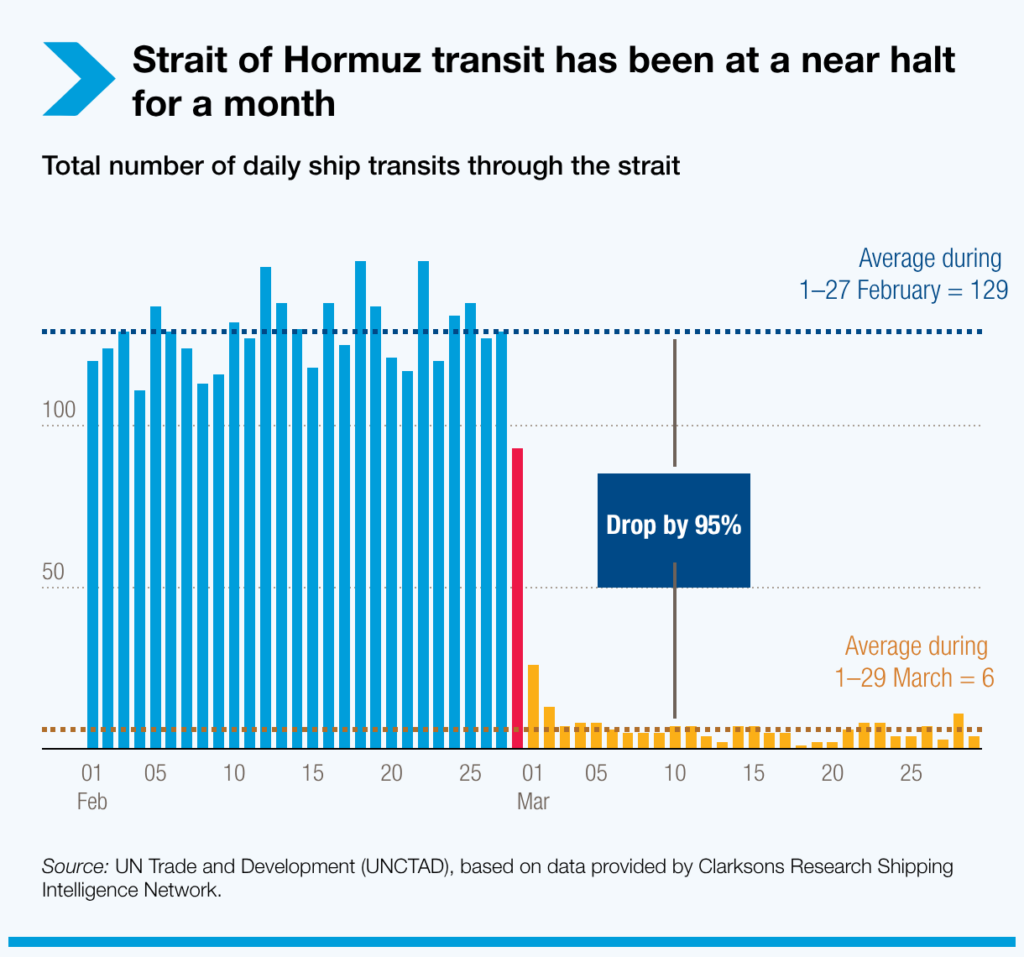
According to UNCTAD, shipping traffic in the strategically important passage has almost come to a standstill for weeks. Based on data from the Clarksons Research Shipping Intelligence Network, the average number of daily passages fell from 129 in the period from February 1 to 27 to just 6 between March 1 and 29. This represents a decrease of around 95%.
The Strait of Hormuz is one of the most important routes for the global oil and gas trade. The consequences are correspondingly far-reaching: Not only energy supply and raw material flows are affected, but also production, trade and consumption. According to UNCTAD, the disruptions also affect other logistics systems, including air freight and port traffic.
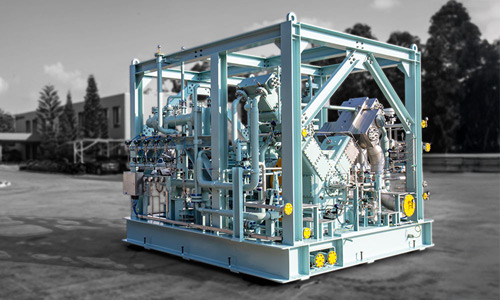
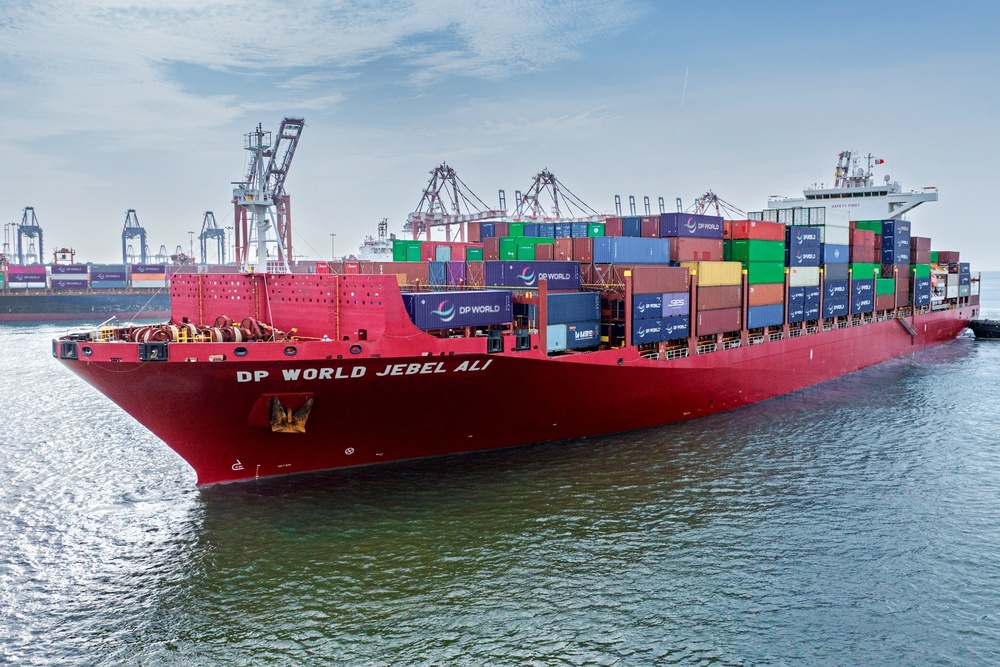
Tanker and LNG shipments are particularly hard hit, as they rely heavily on routes through the Gulf. Container and bulk shipping are also feeling the effects, primarily through higher costs and operational restrictions.
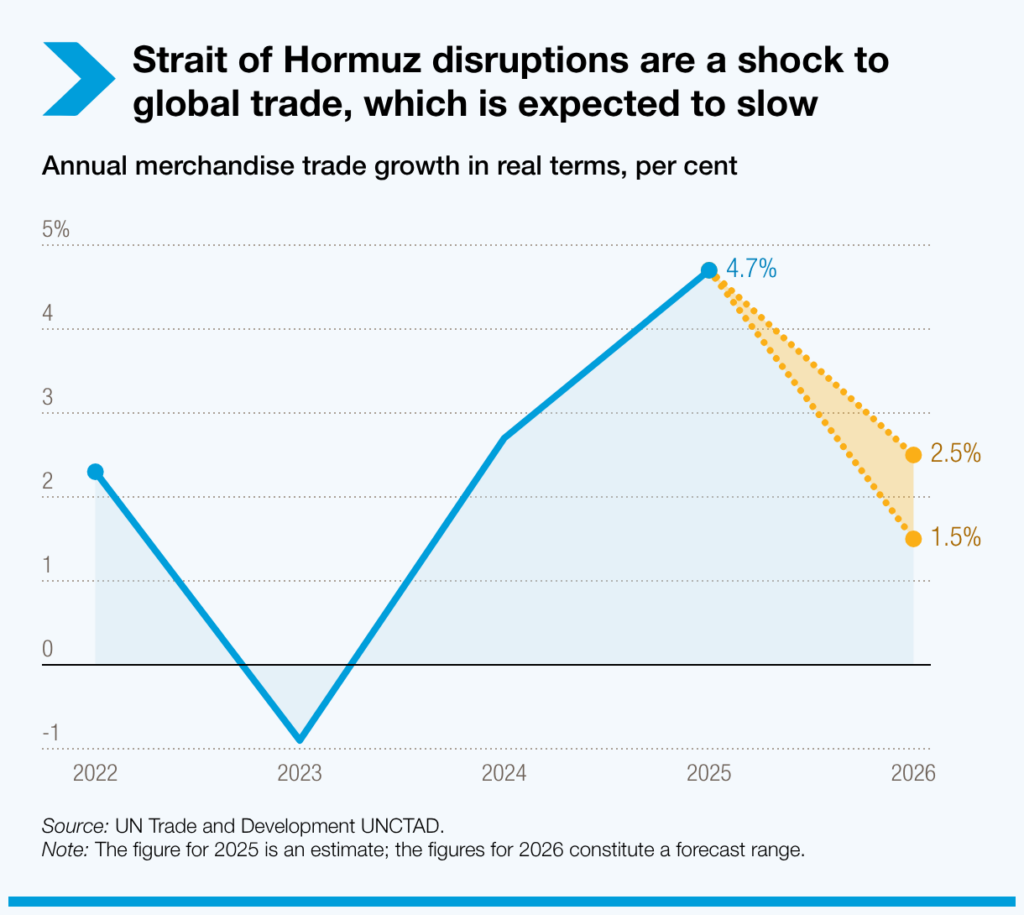
Global trade is weakening
At the same time, the organization warns of increasing uncertainty on the financial markets. Investors are increasingly withdrawing from riskier investments in developing countries. This is weakening currencies there and making imports and new loans more expensive.
Countries with high debt burdens are particularly vulnerable. According to UNCTAD, around 3.4 billion people live in countries that already spend more on debt servicing than on health or education.
“Energy shock” weighs on the global economy
Energy price shocks are now the most important channel through which the conflict affects trade and the global economy. Fuel prices have risen significantly since the escalation on February 28 and remain at a high level. At the same time, the cost of transporting oil has also risen considerably. These price increases are continuing along the supply chains and are making the production and transportation of goods more expensive worldwide.
Not all areas of shipping are equally affected. Oil and LNG tankers, which rely heavily on Gulf routes and are now faced with lower transport volumes and higher risk costs, have been hit particularly hard. Other segments such as container and dry cargo shipping are somewhat more shielded, but are also suffering from higher costs and disruptions.
If disruptions persist or worsen, damage to energy infrastructure could keep prices high for longer and prolong inflationary pressures. Regions with a greater dependence on energy imports from the Middle East, particularly South Asia and Europe, would be more exposed. The full analysis is available here.