




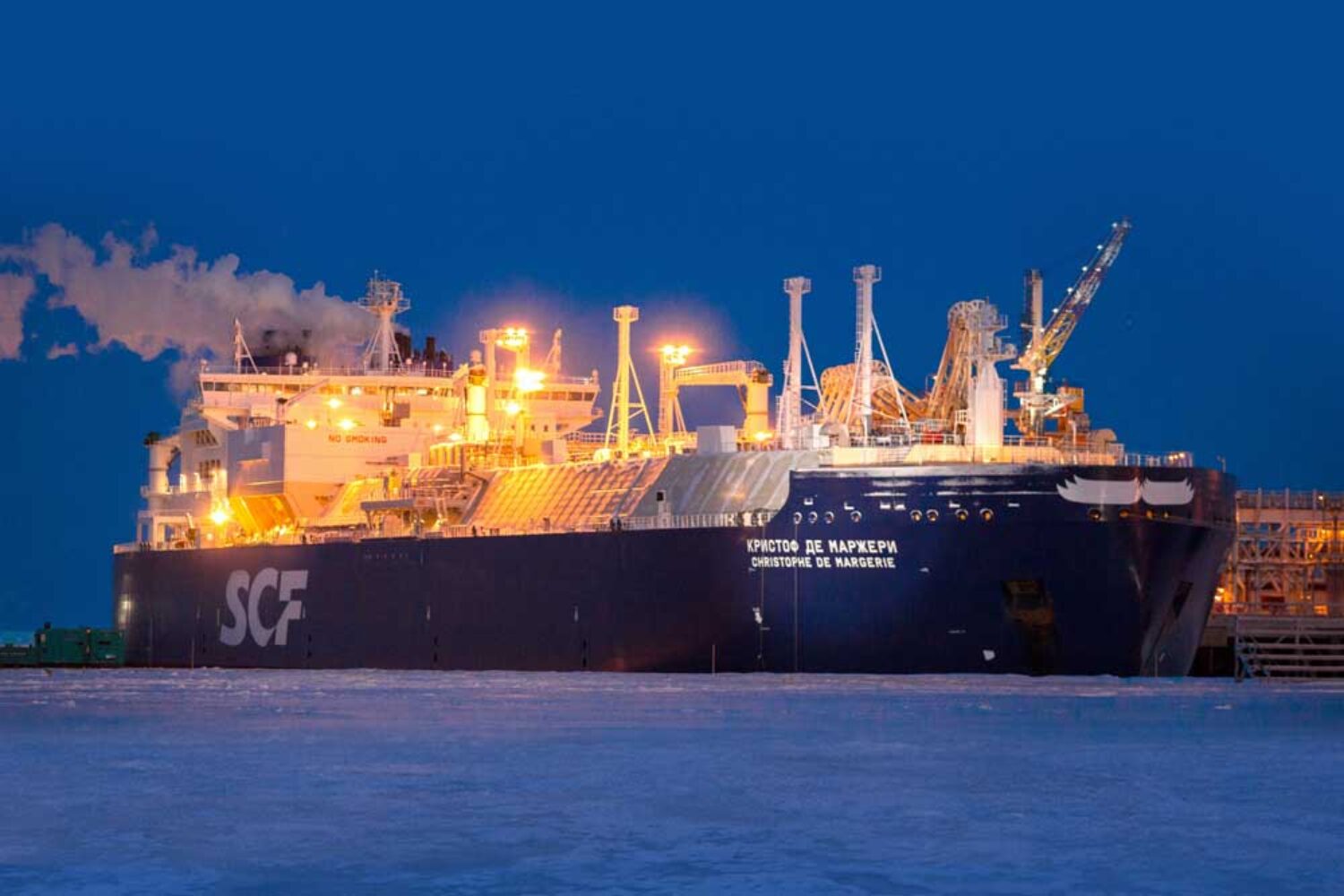
To make all-year-round navigation through the Arctic Ocean a reality by 2030, Russia is spending US$26 billion to upgrade Northern Sea Route infrastructure.
At the St Petersburg International Transport and Logistics Forum earlier this month, State Atomic Energy Corporation Rosatom director-general Alexey Likhachev said Russia is accelerating technological research and development and the construction of specialized vessels. Rosatom manages the port infrastructure in the Russian part of the Arctic.
“The Northern Sea Route needs to transition from pilot projects to regular shipping, striving to achieve year-round navigation of the route and the trans-Arctic transport corridor by the 2030s,” Likhachev said. His deputy, Kirill Komanov, said there are three major goals for building the trans-Arctic transport corridor: establishing a complete icebreaking escort system, expanding the scale of ice-class transport vessels, and improving infrastructure to achieve multimodal transport interconnection.
Vladimir Panov, Special Representative for Arctic Development at Rosatom, emphasised that the Arctic shipping route passes through only six countries, with 70% of its waters belonging to Russia, making it far safer than traditional routes. Rosatom operates the world’s only nuclear-powered icebreaker fleet, with eight vessels in service and four under construction. These vessels can break through ice several metres thick, enabling year-round navigation of the Northern Sea Route.
The nuclear-powered icebreaker can operate continuously for seven years without refueling and has near-zero carbon emissions. In February 2026, the “Siberia,” an icebreaker of this type, escorted 38 ships in the Gulf of Finland within 24 hours, fully validating the reliability of its technology.
The NSR reached a milestone in 2025, with both freight volume and navigation activity reaching new highs. Annual freight volume exceeded 37 million tonnes, with 1,565 voyages, a year-on-year increase of 16%, and transit freight volume reaching 3.2 million tonnes, all setting historical records. Container transport achieved a leapfrog growth, completing 24 voyages throughout the year, with freight volume doubling year-on-year.
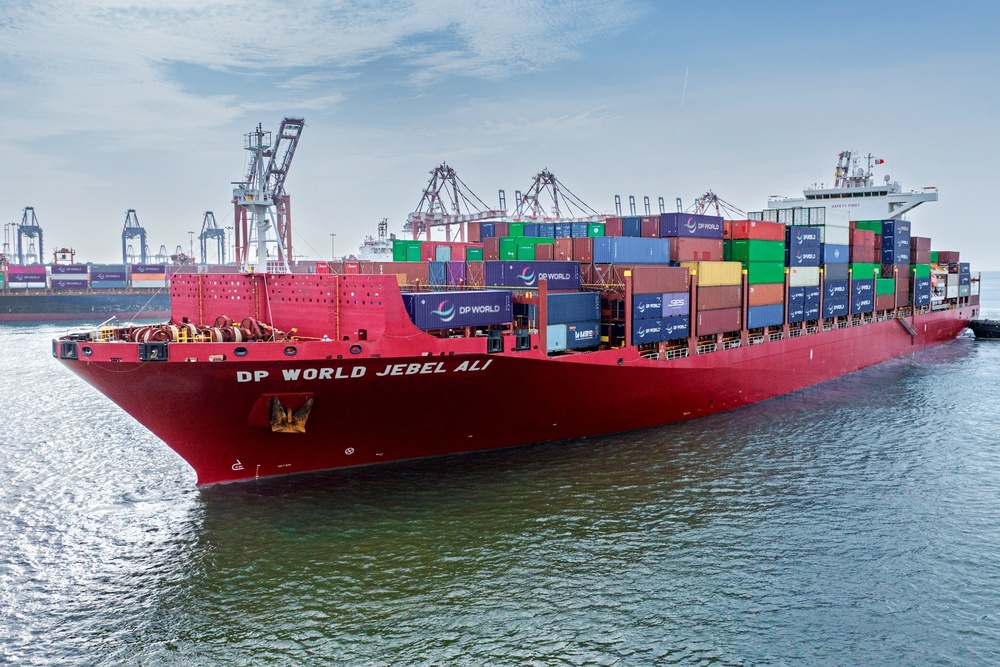
Rosatom has approved the Arc7-class Arctic dedicated container ship design. Five ships, each with capacity of 4,800 TEU, are expected to be commissioned in 2027. The ships can independently break through 1.7-metre-thick ice, and will be deployed for regular container transport between China and Russia in the Arctic. (PL)