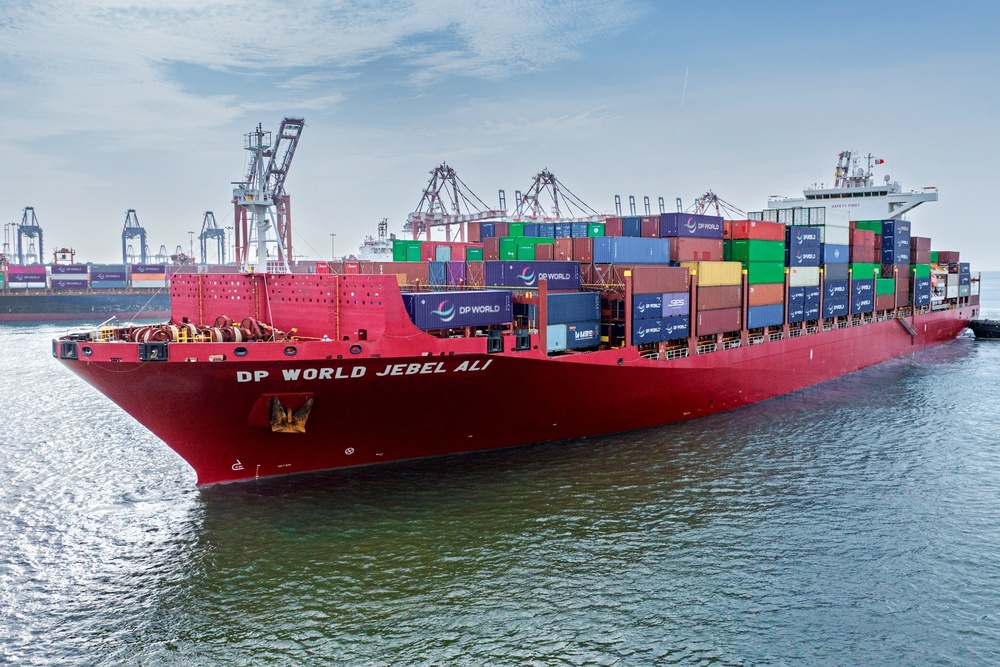






Iran and Oman are reportedly considering a payment model for the Strait of Hormuz. According to media reports, ships could in future be required to pay for services related to their passage.
In the wake of the war between the US and Iran, the Strait of Hormuz remains a key source of uncertainty for international shipping. According to a report by the New York Times, Iran and Oman are considering a model under which payments could be collected from ships transiting the strategically important waterway.
According to the report, Oman has presented a proposal to its Western partners. Under the proposal, shipping companies or operators would not pay simply for the right of passage, but for services related to the transit. These include navigational aids, maritime safety and environmental protection measures.
The proposal would seek to avoid a direct transit toll, which would be highly controversial under international law. Under the United Nations (UN) Convention on the Law of the Sea, foreign ships may not be charged fees solely for passing through territorial waters. Fees are only permitted for specific services provided to a ship, and even then only on a non-discriminatory basis.
The geopolitical context makes the proposal particularly sensitive. Oman is regarded as an important Western partner while at the same time maintaining close relations with Iran. As a littoral state bordering the Strait of Hormuz, the Sultanate plays a key role in regional security, navigation and diplomacy.
It remains unclear how such a model would be implemented in practice. In particular, it is not yet known whether payments would be mandatory or voluntary, which services would be covered, and how high any fees might be. The positions of the US, the IMO, shipowners and insurers are also likely to shape further developments.