




Officially, a ceasefire is in place between the US and Iran, but over the last few days the warring parties have exchanged attacks. A return to normal shipping conditions in the region seems a long way off once again.
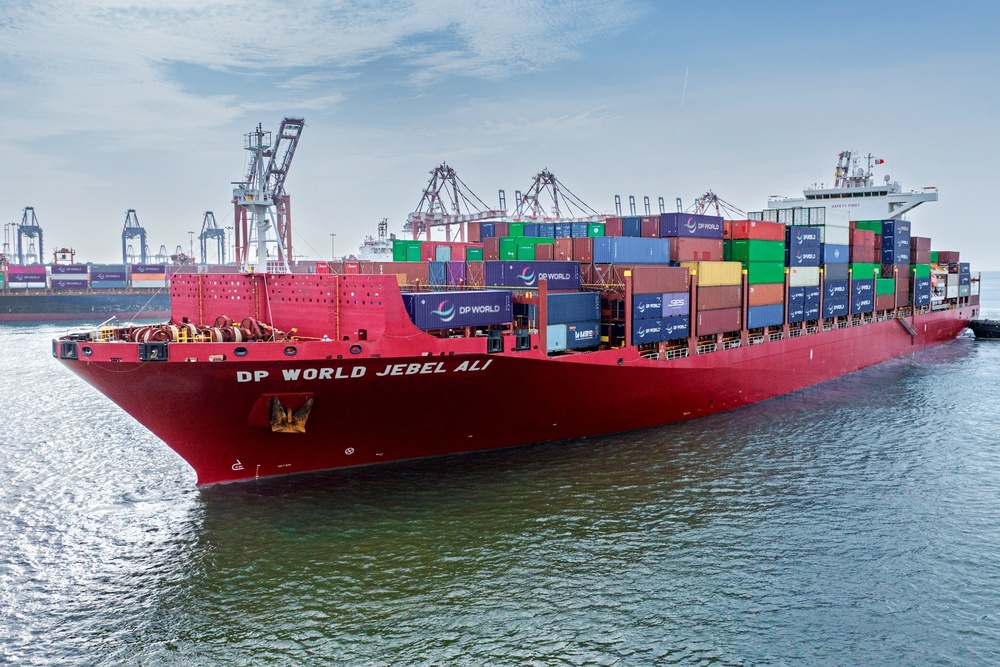
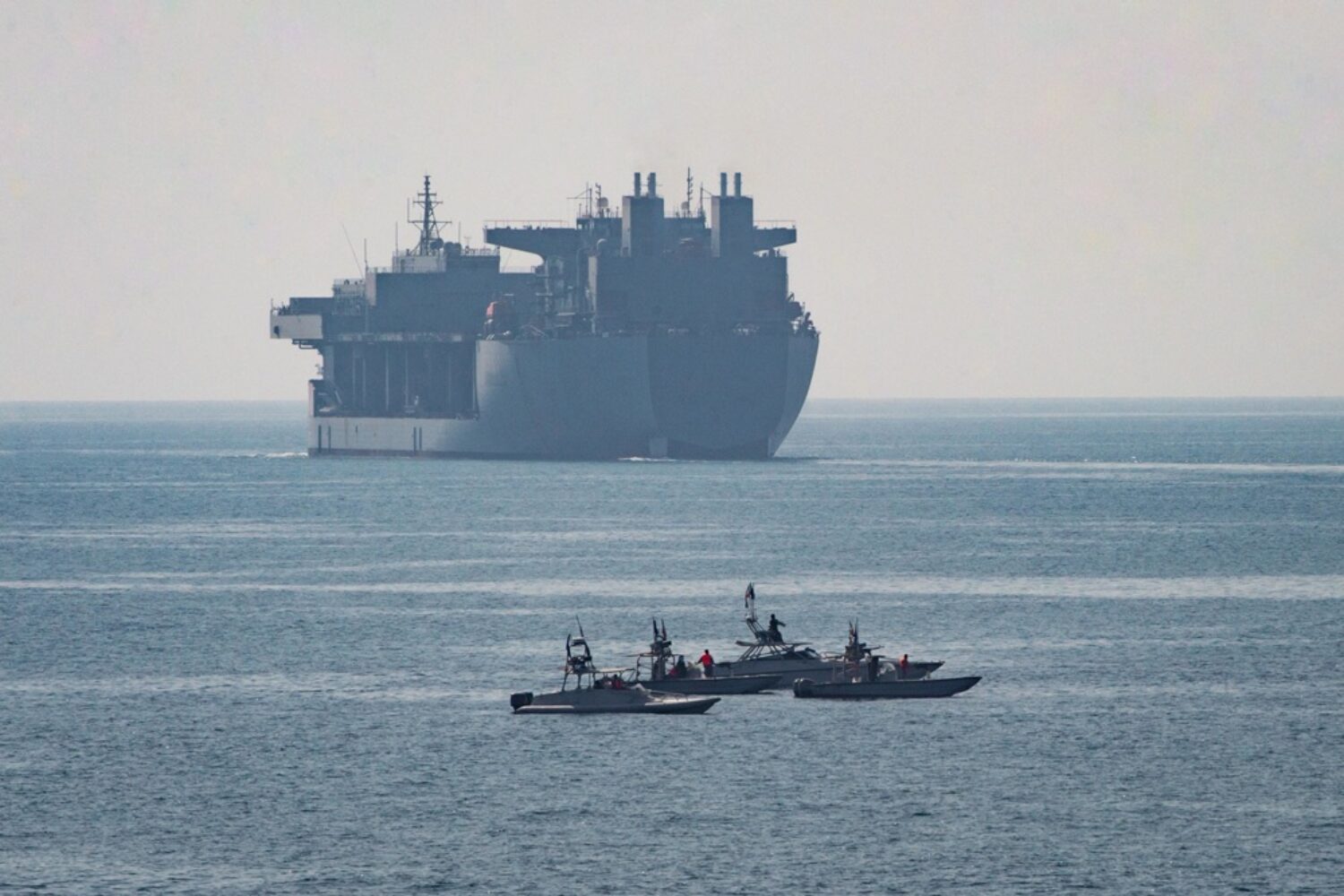
The ceasefire between the US and Iran lasted less than two weeks. Officially, it is still in force, but neither side seems to attach much importance to it any longer. Both the United States and Iran have once again attacked targets in the Persian Gulf in recent days: on 25 June, the “Ever Lovely” was struck by an Iranian drone whilst passing through the Strait of Hormuz, but was able to continue its journey.
Two days later, there was another drone strike on the oil tanker “Kiku” (300,866 dwt), which was carrying 2 million tonnes of crude oil from Qatar and was heading for the port of Fujairah in the United Arab Emirates. The crew were unharmed, and no oil is reported to have leaked.
One of the reasons for this renewed escalation lies in the way ships traverse the Strait of Hormuz. The International Maritime Organisation (IMO) announced its intention to evacuate seafarers from the Persian Gulf and, together with Oman and other neighbouring states, coordinated a route through the southern waters of the strait.
Following the attacks, this plan has been suspended for the time being so as not to endanger any further seafarers. Iran, however, is sticking to its own corridor: the government states that bypassing Iranian waters would increase tensions and delay the reopening of the Strait.
The US responded with large-scale attacks on Iranian infrastructure, whereupon Iran struck several US military bases in Bahrain and Kuwait. At the same time, representatives from both countries are preparing for further peace talks, which are due to take place in Doha on Tuesday. Iranian clerics have already called on their own government to refrain from such talks.
And US President Donald Trump, too, has once again adopted a combative rather than diplomatic stance: On his platform Truth Social, he wrote that the time might soon come “when we can no longer act reasonably” – at which point the war would have to be ended by military means. As in previous statements, Trump threatened that the Islamic Republic of Iran would cease to exist thereafter.
The agreed ceasefire, which was intended to herald a 60-day negotiation phase for a detailed peace deal, thus appears to have effectively been rendered void once again. In addition to a complete cessation of hostilities, including between Israel and Hezbollah in Lebanon, the memorandum of understanding – signed barely two weeks ago – also provides for the lifting of US sanctions against Iran. Iran’s nuclear programme – one of the key points of contention – is not mentioned in the agreement.