




Global grain shipments by sea have recently fallen significantly. According to BIMCO, shipments in weeks 29 to 33 fell by 8 per cent compared with the same period last year. The decline was particularly sharp in the Black Sea.
Global grain shipments by sea have recently fallen significantly. According to figures from BIMCO, shipments in weeks 29 to 33 fell by 8 per cent compared with the same period last year. The decline was particularly marked in the Black Sea.
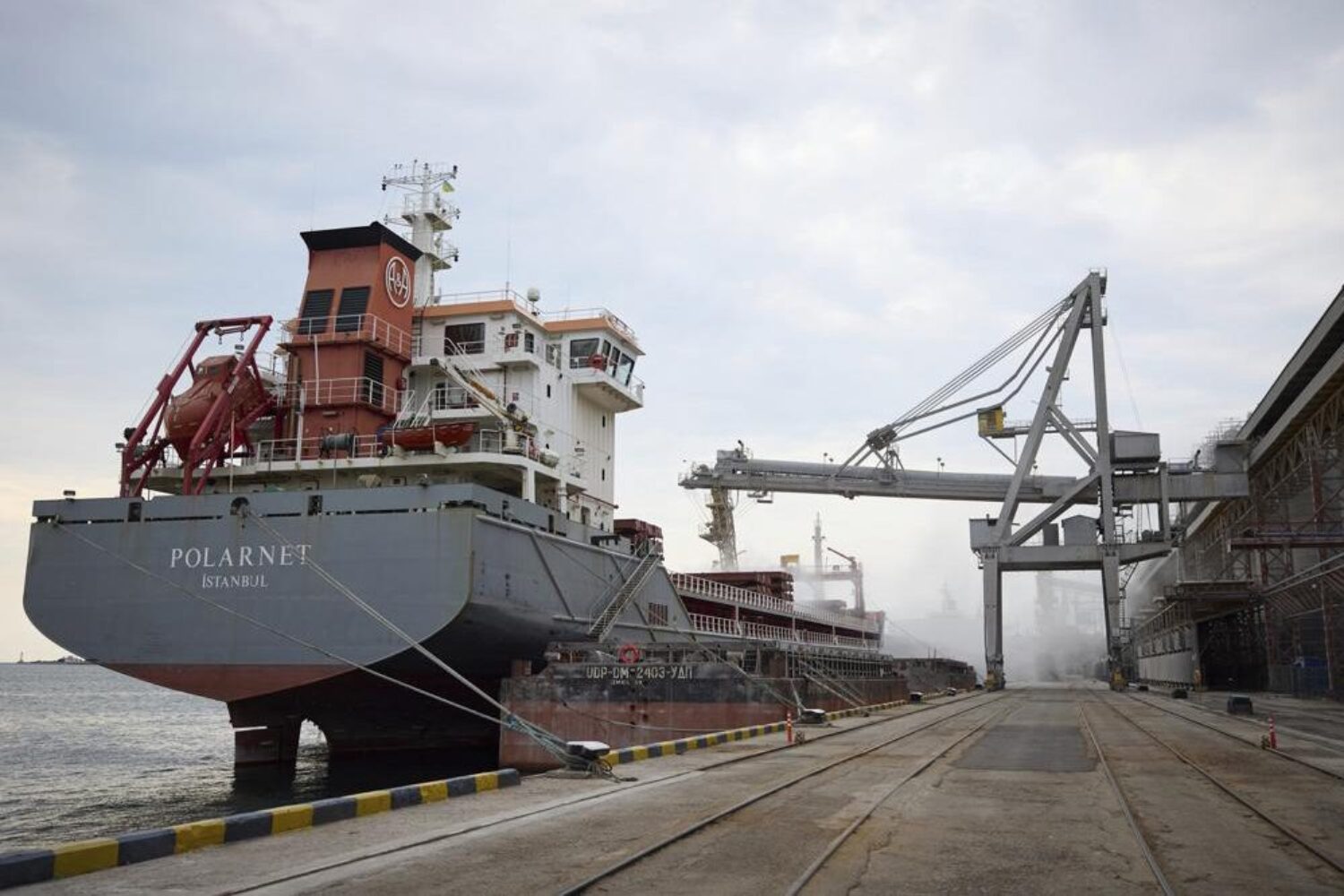
Grain exports from the Black Sea fell by 26 per cent year-on-year over the five weeks under review. The international shipping association BIMCO cites the increasing attacks by Russia and Ukraine on ships and port infrastructure as the main reason.
“Over the past five weeks, global grain shipments have fallen by 8 per cent compared with the same period last year, driven by a 26 per cent decline in grain exports from the Black Sea,” says Filipe Gouveia, Shipping Analysis Manager at BIMCO.
Added to this are weaker maize exports from Brazil due to a delayed harvest. At the same time, Ukraine had proposed ceasing attacks on shipping in the Black Sea. However, Russia rejected the proposal. This has reduced the prospects of a short-term recovery in exports.
According to BIMCO, the situation escalated on 6 July with the launch of Ukraine’s “Operation MoLoChKa”. Initially, the attacks targeted vessels linked to Russia in the Sea of Azov. They later spread to the Black Sea, where both ships and port facilities were attacked.
At the same time, Russia intensified its attacks on Ukrainian ports and merchant vessels. As a result, numerous shipowners suspended calls at Ukrainian ports.
Black Sea region important for grain trade
Although Black Sea ports play a comparatively minor role in terms of total global dry bulk export volumes, According to BIMCO, they account for around 3 per cent of global seaborne dry-bulk exports. However, they are significantly more important for the grain trade: their share stands at around 14 per cent.
Russia and Ukraine are among the world’s largest exporters of wheat and maize. Their customers include countries in Africa, the Middle East, Europe and Asia, amongst others.
“Persistent disruptions could therefore have a significant impact on food prices and supply,” said Gouveia.
According to BIMCO, both countries are increasingly seeking to channel their exports via alternative routes. Russia is increasingly diverting shipments overland and to ports on the Caspian Sea, the Baltic Sea and in the Far East. However, this could lead to capacity bottlenecks, particularly on the rail links to the Far East.
Ukraine is increasingly relying on its Danube ports as well as Romanian ports. However, according to Bimco, the available capacity there is also insufficient to fully replace the volumes normally handled via Ukraine’s Black Sea ports.
Added to this is the limited storage capacity in Ukraine. According to BIMCO, the Ukrainian Minister for Agriculture estimates that a storage shortfall of 11 million tonnes could arise by November. This would correspond to around 13 per cent of this year’s expected cereal and oilseed harvest.
The harvest of wheat, barley and rapeseed is still underway. Maize, sunflowers and soya beans are set to follow in the coming weeks. This further increases the risk of bottlenecks and potential crop losses.