




A recent customs ruling by the Supreme Court is a setback for US President Donald Trump and is seen internationally as a sign of the rule of law. Reactions are muted, as uncertainties for the economy and trade remain. Trump wants to raise the planned blanket import tariff on goods from all over the world to 15%. A rate of 10 % was previously planned. The adjustment will be made following a review of the Supreme Court’s ruling on his previous tariff policy, Trump explained on his Truth Social platform. The Supreme Court had previously ruled that the government could not impose far-reaching punitive tariffs on numerous trading partners, citing an emergency law. Trump is now falling back on a 1974 trade law that allows temporary tariffs for up to 150 days. However, observers doubt that the requirements for this have been met. It also remains unclear when the higher tariffs will actually take effect.
Maritime sector anticipates new uncertainties in global trade
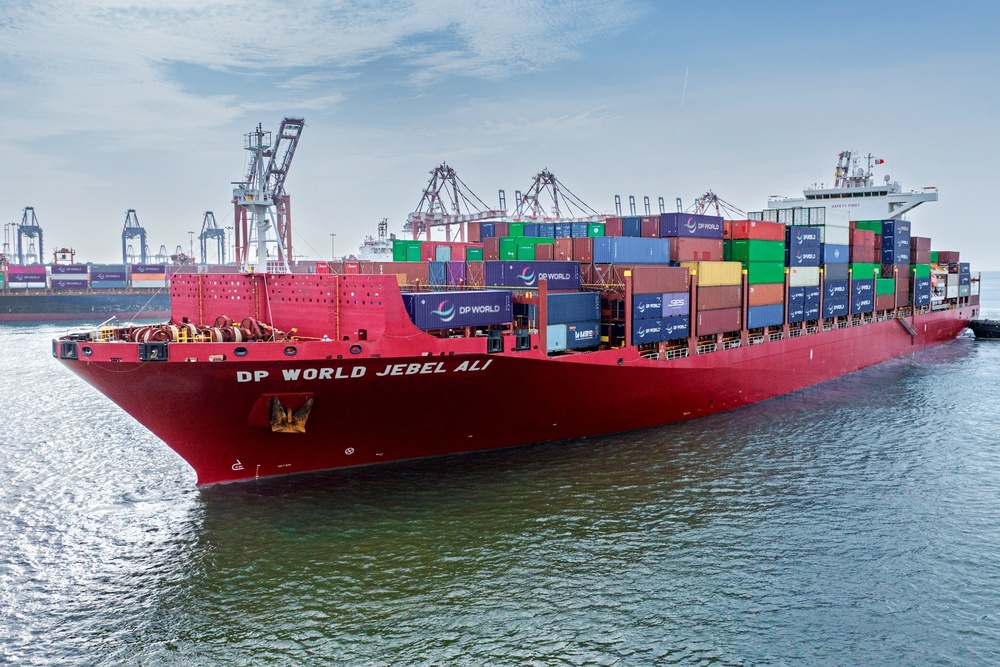
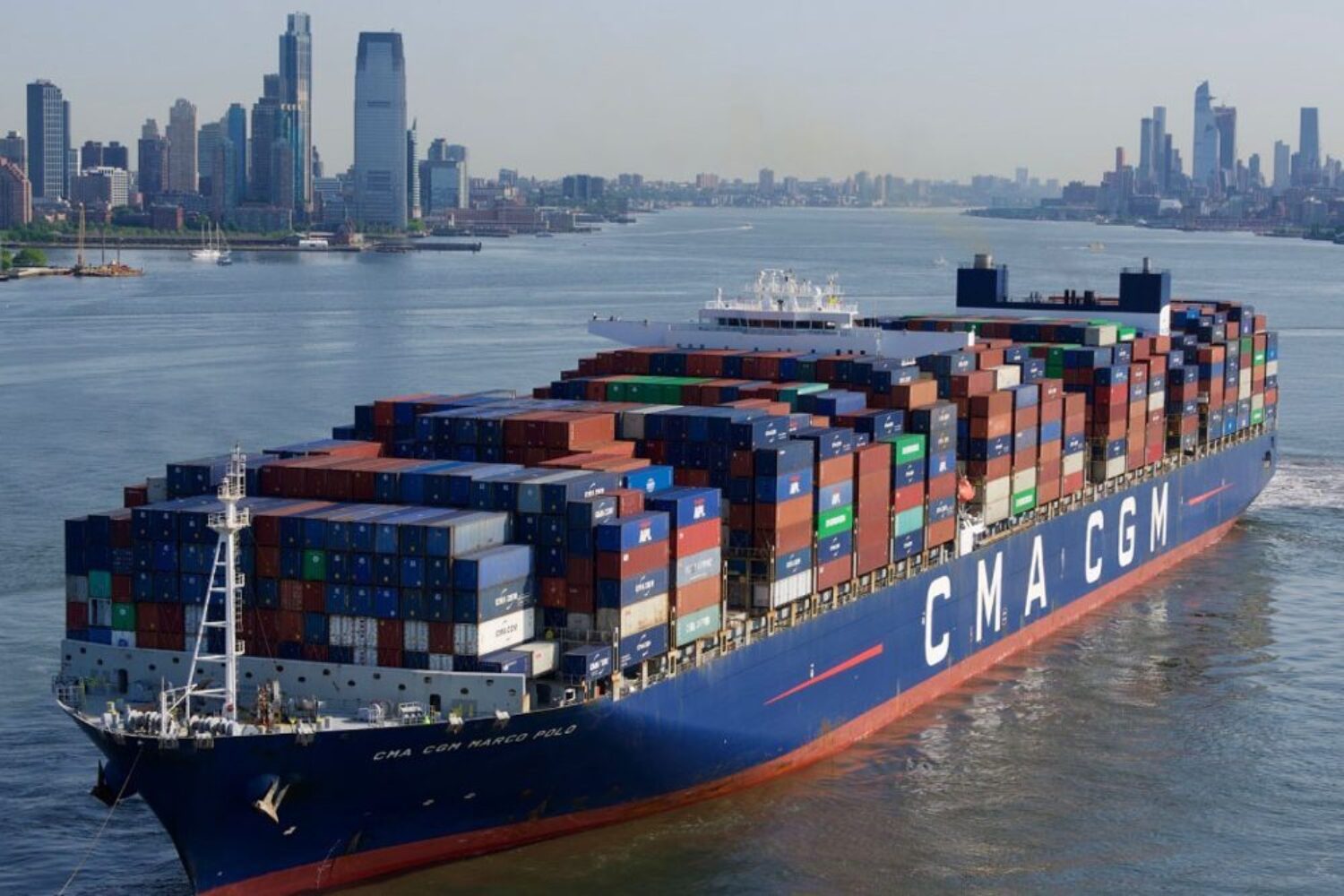
For the maritime sector, the new tariff plans significantly increase uncertainty in global trade. Blanket import tariffs are seen as a potential damper on container traffic to the USA, while at the same time short-term trade diversions, anticipatory effects on shipments and rising inventories are possible. This will further increase volatility for shipping companies, charter markets and port logistics. Analysts at Citi, for example, expect that the global tariff of 15% introduced by the Trump administration could once again lead to deliveries from Asia to the USA being brought forward.
Countries react cautiously to ruling
Internationally, the ruling is seen as a signal of a functioning separation of powers, but reactions to the new tariff plans have been largely cautious. French President Emmanuel Macron stated that it is “good to have power and counterweights in democracies”. He was cautious about the announced new tariffs and announced that he would examine the consequences while French exports would continue.
Brazil, which had previously been confronted with significantly higher US tariffs, reacted more positively. Vice President Geraldo Alckmin emphasized that a uniform tariff rate would at least no longer mean a relative competitive disadvantage for Brazilian products.
Skepticism also prevails in Europe: the German government and the EU Commission stated that they are in close contact with Washington and emphasized the importance of stable and predictable trade relations. Meanwhile, German Finance Minister Lars Klingbeil (SPD) warned that uncertainty remains high, as sector-specific US tariffs on steel and vehicles, for example, continue to exist. The Chairman of the Trade Committee in the EU Parliament, Bernd Lange, also sees unanswered questions regarding possible refunds of unlawfully levied tariffs and spoke of “chaos” in the transatlantic negotiations.
In the USA itself, business associations are calling for swift clarity. Representatives of the US Chamber of Commerce and the Retail Federation are calling for refunds of illegal duties and a consistent trade policy in order to strengthen growth and planning security.
Associations expect the conflict to continue
Many European companies reacted with cautious relief to the Supreme Court’s decision in view of the political situation in the USA, but they also expect a “new round of uncertainty”, as the German Chemical Industry Association (VCI) had already said before the new tariff package was announced.
For VCI Managing Director Wolfgang Große Entrup, Trump’s reaction to the ruling was apparently no surprise: “New tariffs on a different legal basis are possible at any time. The trade policy turbulence will not disappear – it will just change the playing field,” he announced in the hours between the judge’s ruling and the new tariff package. Anyone who believes that this is the end of the tariff conflict is mistaken.