

Emissions trading in the European shipping sector has become even more complicated: As of July 1, the UK ETS applies to ships that are sailing in British waters.
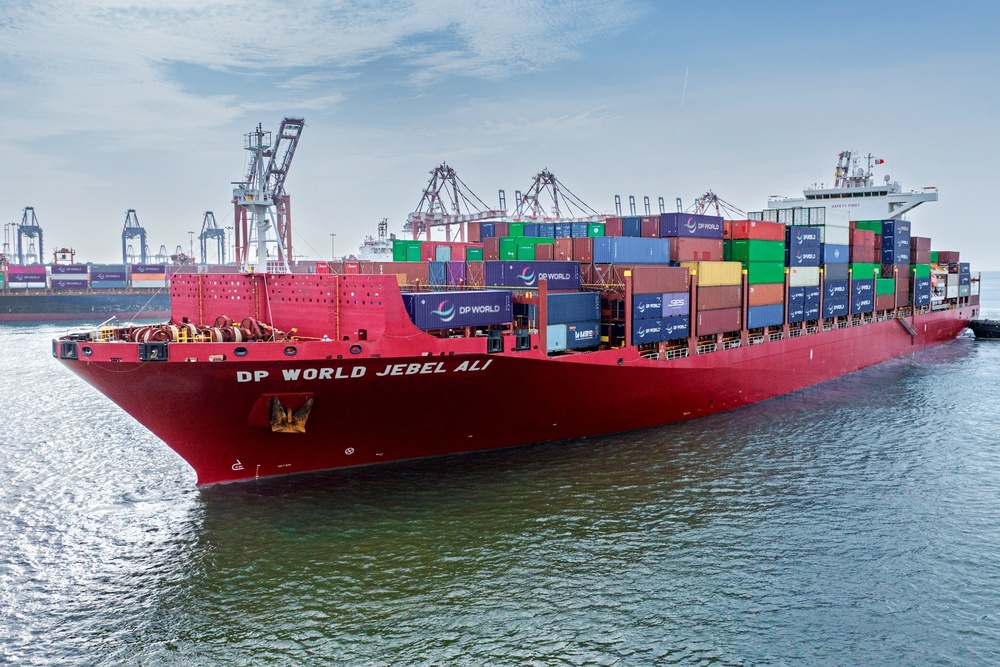
The trading scheme covers cargo and passenger ships of 5,000 GT or more. These vessels are thus now part of the UK’s national CO₂ market. The scheme applies not only to voyages between UK ports, but also to activities within the ports themselves – including cargo handling and laytime. From today, ship operators must monitor emissions of carbon dioxide, methane and nitrous oxide and pay charges equivalent to their emissions.
According to the government, the UK ETS (United Kingdom Emissions Trading System) is the “flagship of decarbonisation policy” for the UK. In addition to shipping, the UK ETS also covers heavy industry, the energy sector and aviation. As of April 2026, approximately 25 per cent of UK emissions fell under the scheme. Following Brexit, the UK also withdrew from the EU Emissions Trading System (EU ETS) with effect from 1 January 2021 and required its own system.
The UK ETS is entirely independent of the EU ETS: depending on the route taken, affected vessels may therefore have to comply with both sets of regulations and pay levies to both the UK and the EU. Responsibility for this generally lies with the ship’s owner. However, it may be transferred to the ship manager, provided that the agreement covers the operation of the ship, compliance with the ISM Code and the obligations under the UK-ETS.
Offshore vessels operating in British waters are currently still exempt from the scheme. The UK-ETS will not apply to them until 1 January 2027.