


The US-Iranian dispute over the Strait of Hormuz is having an increasingly negative impact on oil exports. Although rates have risen initially, BIMCO warns that demand for tonnage could fall significantly in the medium term.
“The tanker markets are under increasing pressure as export disruptions continue to reduce transport volumes, whilst falling oil and product stocks heighten the risk of higher oil prices, weaker economic growth and lower demand for tankers,” says Niels Rasmussen, chief analyst at the shipping organisation, in a recent market report.
The memorandum of understanding signed by the US and Iran on 17 June had briefly raised hopes of the Strait of Hormuz reopening. However, as is well known, the negotiations have stalled, and safe passage through the strait is by no means guaranteed.
At BIMCO, experts are working on two scenarios: one in which conditions gradually normalise over the course of the fourth quarter of 2026, and one in which the current disruptions persist until the end of the year and throughout 2027.
Since the start of the year, the export volume of crude oil and ‘heavy’ petroleum products has fallen by 5.7% compared with the previous year. Exports of light petroleum products have even fallen by 11.2%. Nevertheless, demand for product tankers – measured in tonne-miles – has risen slightly since the start of the year, as LR2 tankers have taken on a larger share of the transport of crude oil and heavy petroleum products.
Exports from the Persian Gulf remain well below previous levels; Saudi Arabia’s exports via the Red Sea have plummeted under pressure from the Houthi embargo, and Russian exports are increasingly affected by attacks on refineries, oil infrastructure and ships. Taken together, these developments are jeopardising demand for tankers.
At the same time, global oil and product stocks have fallen by more than 500 million barrels. The release of stock reserves has offset the shortfalls in production. The situation is particularly tight for stocks of refined products, especially diesel; by the end of 2027, oil and product stocks in OECD countries could fall to a level equivalent to just 70 days’ consumption.
“Could jeopardise demand for tankers”
“Unless normal oil export volumes are restored soon, falling oil and product stocks could, in the long term, jeopardise demand for tankers. The longer the export disruptions persist, the greater the risk that releases from strategic reserves will no longer be able to compensate for the shortfall in oil supplies. This could lead to higher oil prices, lower economic growth and weaker demand for tankers,” says Rasmussen.
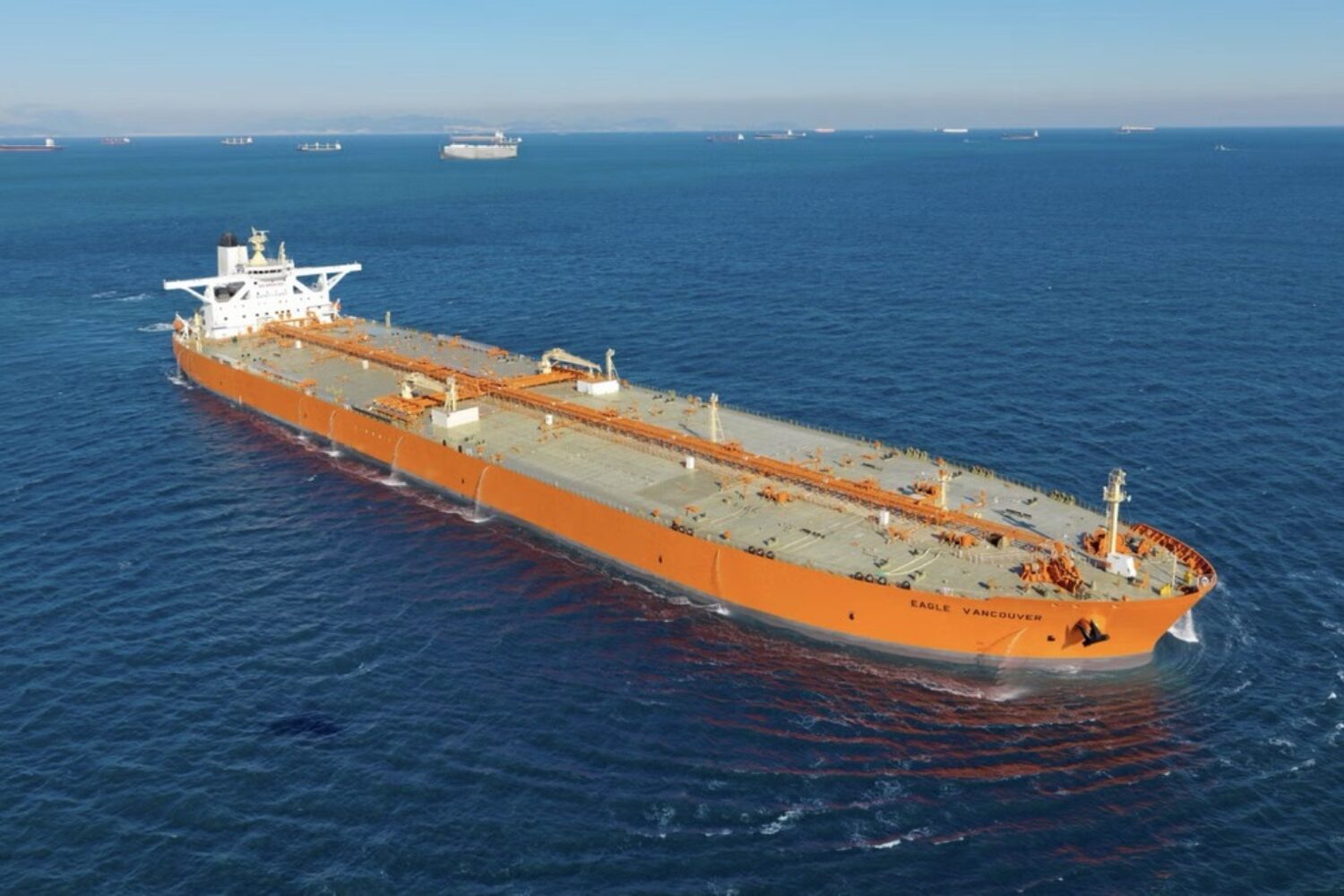
Despite weaker demand for transport capacity, freight rates for tankers carrying crude oil and heavy products (“dirty tankers”) have risen sharply since the outbreak of the conflict between the US and Iran and have remained at high levels. Reduced fleet productivity, stranded vessels and delays have reduced the effective supply of ships. This situation – along with higher war risk premiums – has supported freight rates. Freight rates for clean tankers have also risen, albeit to a much lesser extent – due to fleet growth and reduced dependence on the Persian Gulf.
Should conditions in the Strait of Hormuz gradually return to normal, BIMCO analysts expect demand for tankers to recover in the course of 2027, as export volumes rise and stocks of oil and oil products are replenished. However, improved fleet productivity and ongoing fleet growth are likely to lead to a gradual normalisation of freight rates.
“Should the disruptions persist, tanker demand could weaken further in the course of 2027, as the drawdown of oil and product stocks could weigh on demand whilst, at the same time, the growth in vessel supply could accelerate,” said Rasmussen.