




Despite the ceasefire, Iran is continuing its attacks on merchant ships in the Strait of Hormuz. A fire broke out on an oil tanker following an attack.
Officially, a ceasefire has been in place between the US and Iran for weeks. Under a memorandum of understanding, both countries have committed to refraining from further attacks during a 60-day period. During this time, the terms of a long-term peace agreement are to be negotiated.
However, as has become apparent in recent days, this commitment appears to be nothing more than lip service. There have now been renewed attacks on civilian vessels: according to the United Kingdom Maritime Trade Operations (UKMTO), a tanker was struck by an “unknown projectile” late on Monday whilst travelling south in the eastern part of the Strait of Hormuz. The attack took place approximately 8 sm off Limah in Oman. A fire broke out on the tanker, but no one was injured. According to the report, there was no oil spill either.
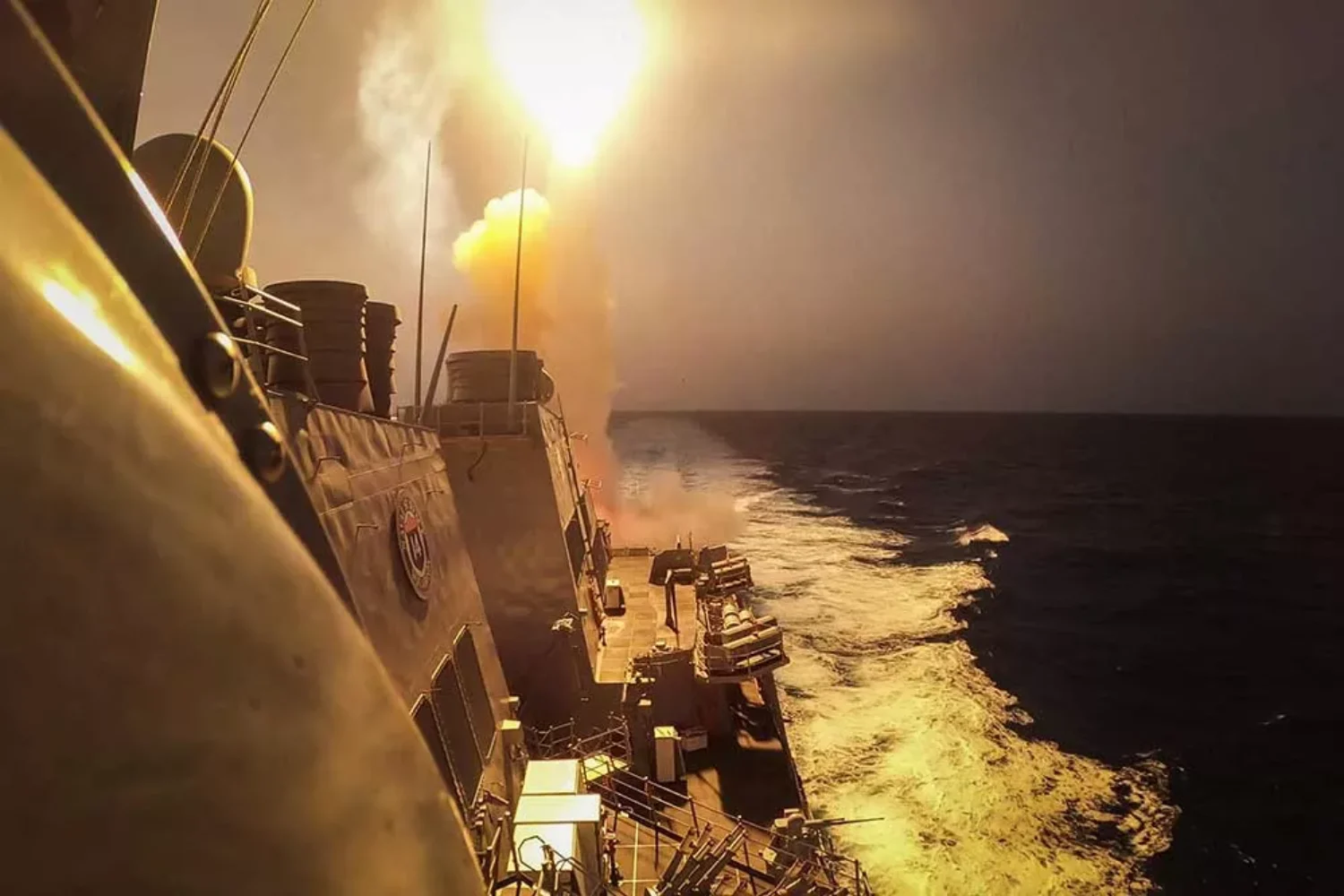
US authorities have also reported that at least two missiles were fired from Iran at merchant ships in the region. The names of the ships have not yet been released.
The attacks follow similar incidents at the end of June, when several ships were targeted by Iranian strikes during the ceasefire; these included the “Ever Lovely” and the oil tanker “Kiku”. US President Trump subsequently resorted to his now-familiar rhetoric, threatening Iran that “reasonable behaviour” could not be guaranteed under these circumstances. Iranian government representatives have since countered by stating that Trump’s ongoing threats would lead to an end to the negotiations. “Negotiations on a final peace agreement will not begin if these threats continue,” wrote Foreign Minister Abbas Araghchi on X.
Whether the US and Iran will reach an agreement therefore remains uncertain – and any optimism that conditions in the Strait of Hormuz would quickly return to normal is likely to have evaporated by now. In addition to the continuing danger to merchant ships (despite the strait having been reopened), numerous seafarers remain stranded in the Persian Gulf. The IMO had temporarily suspended its plans to evacuate the crews from the danger zone as quickly as possible following the initial attacks. Most recently, several media outlets reported that 8,000 seafarers remain in the region. (JW)