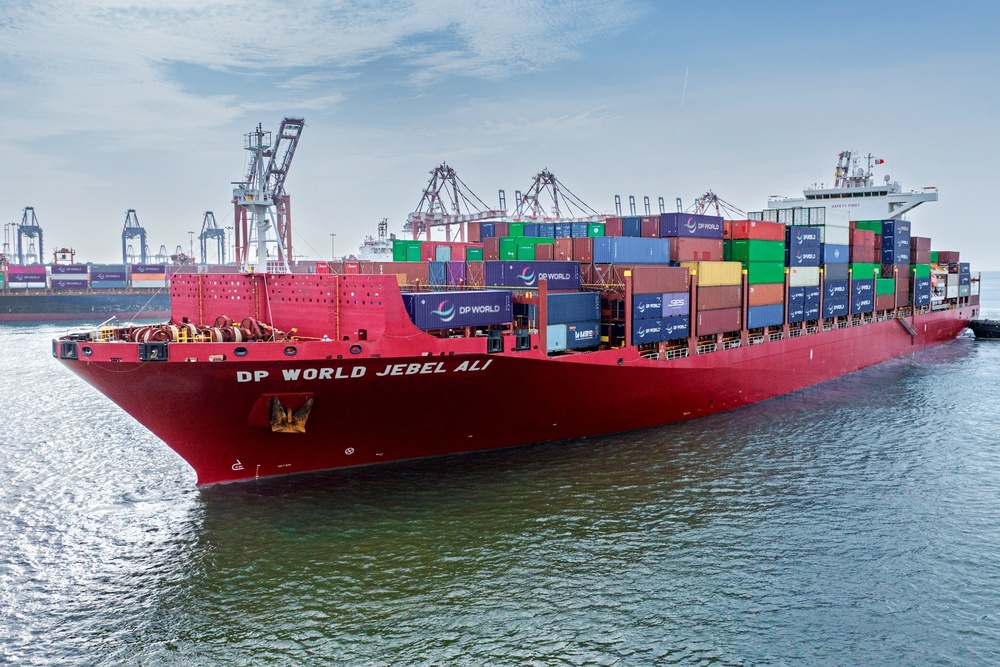



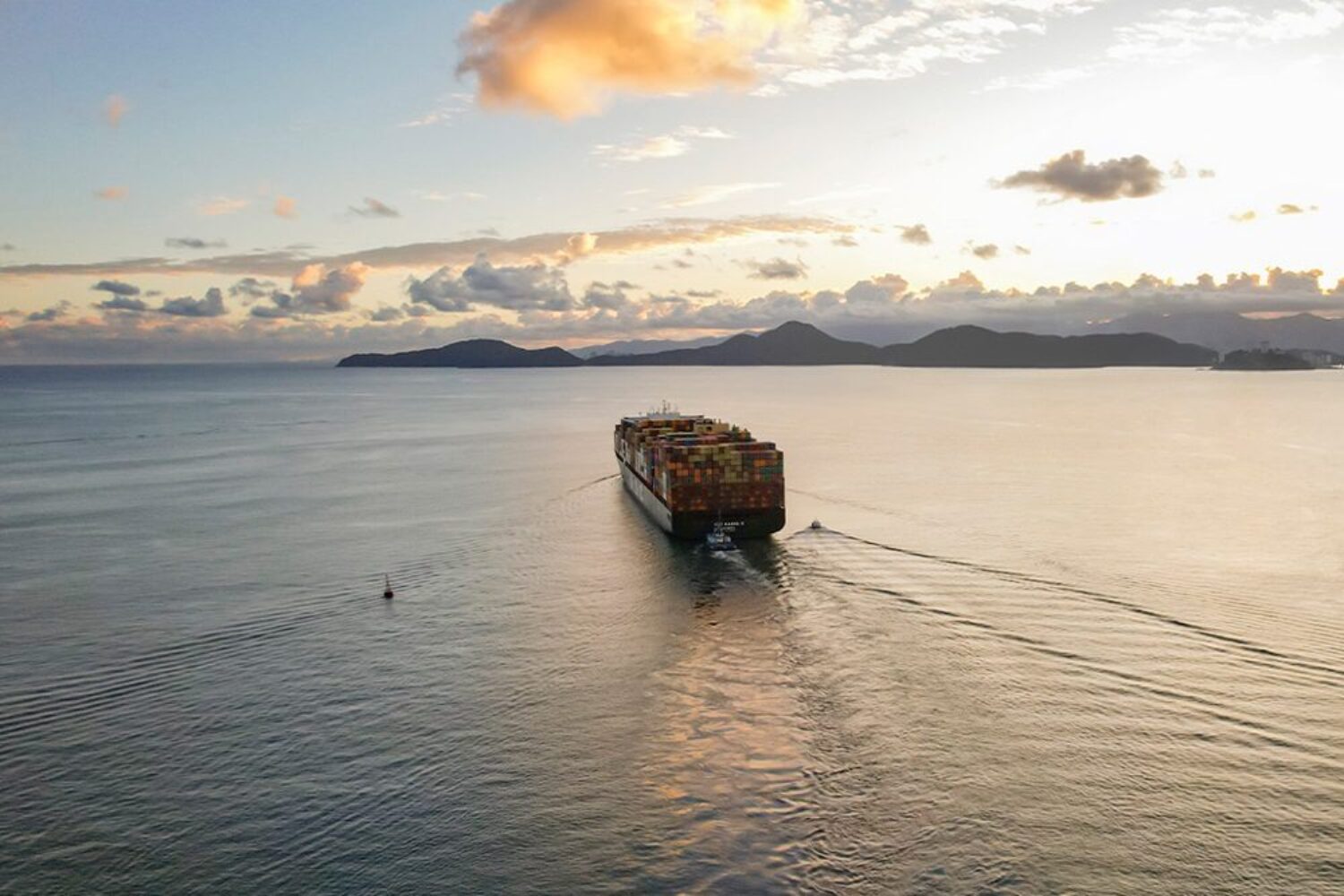
Significantly more container ships and car carriers around the world are using dual-fuel drives. In total, over 1,200 units have now been delivered or ordered – and the trend is still rising.
“Dual fuel” refers to drives that can burn alternatives in addition to conventional fuels. These include liquefied natural gas (LNG), methanol and ammonia. The proportion of ships equipped with dual-fuel engines continues to increase worldwide. Compared to the previous year, the number of deliveries has increased significantly. This is according to the “Dual-Fuel Fleet Dashboard”, which is published by the World Shipping Council (WSC). It records investments by the global liner shipping industry in ships that can run on renewable and lower-emission fuels. It also provides insights into how the liner shipping fleet is preparing for the energy transition.
As of March 2026, the number of dual-fuel container ships and car carriers in service has reached the 440 mark. Compared to the previous year, this represents an increase of 65%. The fleet only exceeded 400 in December, compared to just over 200 ships in 2024. The dual-fuel fleet is therefore not only continuing to grow, but is also growing faster and faster.
Logically, this is also reflected in the order books. According to WSC, the number of dual-fuel ships on order amounts to 764 units. Looking at total orders, 78% of orders for container ships and 94% of orders for car carriers are for dual-fuel ships. In the other fleet segments, the figure is only around 17% of orders.
A total of 1,204 dual-fuel container ships and car carriers have now either been delivered or ordered, representing over $180 billion in private investment, according to an analysis by the WSC.
“These ships are long-term investments designed for flexibility from the outset,” said Joe Kramek, President and CEO of WSC. “The ships built today will be in service for decades; the ability to operate them on a variety of fuels helps minimize risk, strengthen energy security and promote more resilient global supply chains. Continued constructive engagement with the IMO remains essential to ensure the global regulatory certainty needed to expand investment in alternative fuels.”
Among the orders placed this year alone are an order from MSC and a recently announced order from ONE. Both are relying on LNG to renew their fleets. The Chinese shipping company Cosco placed a particularly large order worth USD 2.7 billion at the beginning of the year: twelve LNG-powered container ships are to be built at CSSC Jiangnan, plus six conventionally powered units. The shipping company OOCL, which belongs to Cosco, also recently christened the “OOCL Wisdom”, the largest methanol-powered container ship in the world.