






Major losses, geopolitical uncertainties and the crisis in the Red Sea are all on the agenda at the annual conference of the Association of Marine Insurers.
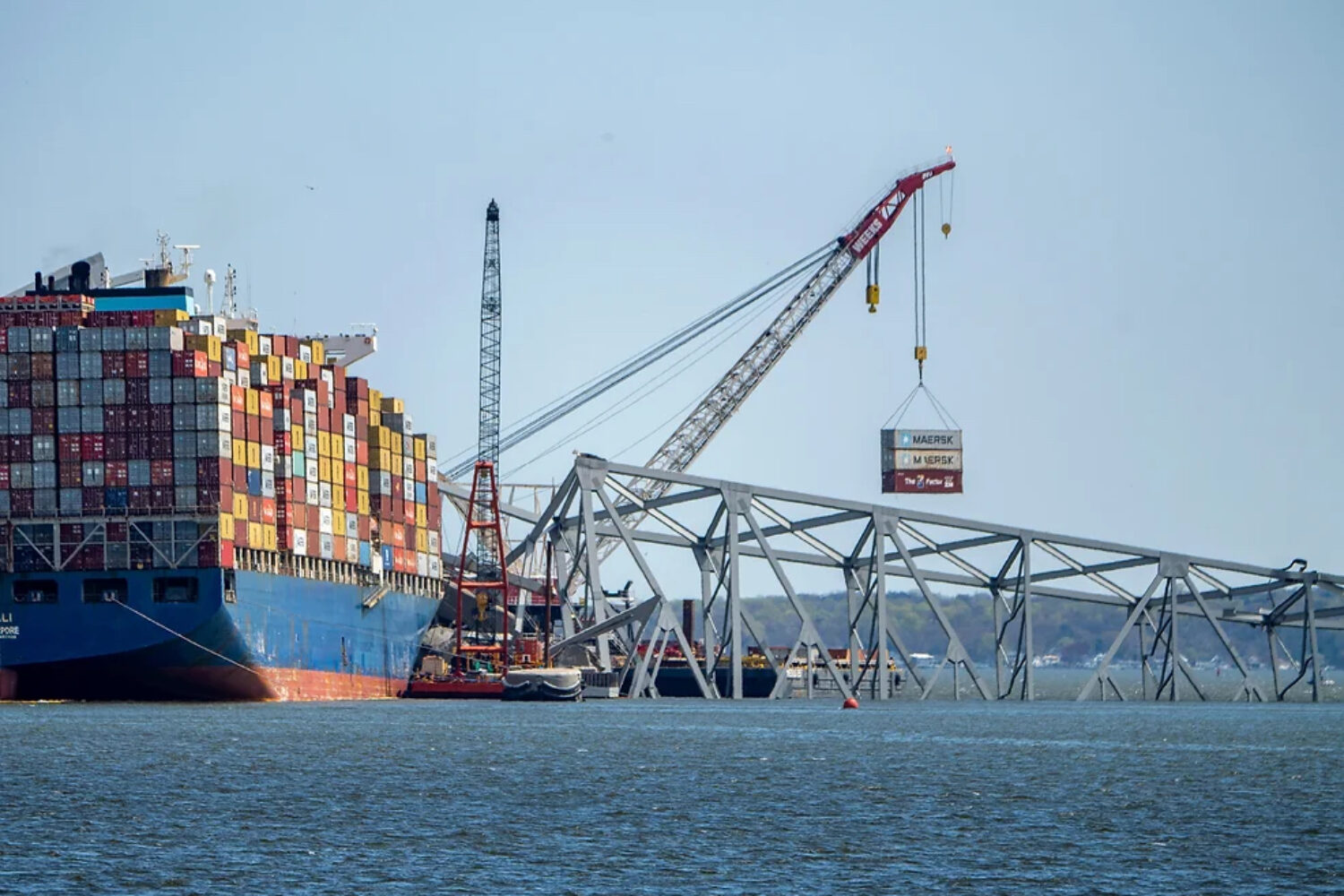
Following the collapse of the Baltimore Bridge in April, which was rammed by the container ship “Dali”, marine insurers are focusing in particular on major losses and how to prevent them. In particular, there were a number of fires and container losses, it was reported in advance.
The greatest current threat to international trade comes from geopolitical disputes that block important shipping routes, says Frédéric Denèfle, President of an important marine insurance association IUMI. The Houthi attacks in the Red Sea have led to at least four known total losses, resulting in loss of life and major damage to ships and cargo.
Marine insurers see growing problems
“It has proved difficult to deal with these cases using the regular LOF solution, as it was not easy to get into the area and help the damaged vessel or avoid pollution,” said the IUMI President. Denèfle cited inflation, low global consumer demand and China’s faltering recovery as other factors affecting shipping and marine insurers.
This week’s event in Berlin, which marks IUMI’s 150th anniversary, will discuss issues such as the threat to ships in the Red Sea, the increasing vulnerability of shipping to state-backed groups and the prospects of further trade disruption in an increasingly polarised world.
The conference takes place against the backdrop of a salvage operation to bring the burning Greek tanker “Sounion” (built in 2006, 163,800 GT) to safety in the Red Sea after it was the target of several Houthi attacks.
Apart from this, shipping and marine insurance should also deal with a number of other developments:
The Hong Kong Convention on Ship Recycling comes into force in June 2025. Marine insurers must also comply with the new EU Sustainability Reporting Directive (CSRD), which comes into force on 1 January 2024. This requires financial institutions to monitor decarbonisation trends within their organisation and in their business portfolio.