


In view of the continuing low water levels on the Rhine, German barge shipping company HGK Shipping is calling for a fundamental modernisation of the European fleet.
The low water levels on the Rhine, which are currently severely restricting transport capacity, serve as evidence to Häfen und Güterverkehr Köln AG (HGK) – Europe’s largest inland waterway shipping company – of an urgent need for structural action in the shipping sector. According to the company, around 80% of the tanker and dry cargo fleet – comprising approximately 7,800 vessels – was built in the 20th century. In contrast, only 38 new tankers and 13 dry cargo vessels were delivered in 2024.
In order to maintain supply chains even during periods of extreme water levels – such as currently at the Kaub gauge on the Middle Rhine, where levels have at times been as low as 4 cm – the fleet must be made more resilient and efficient. The HGK has called for the construction of 1,000 low-water-capable vessels by 2035.
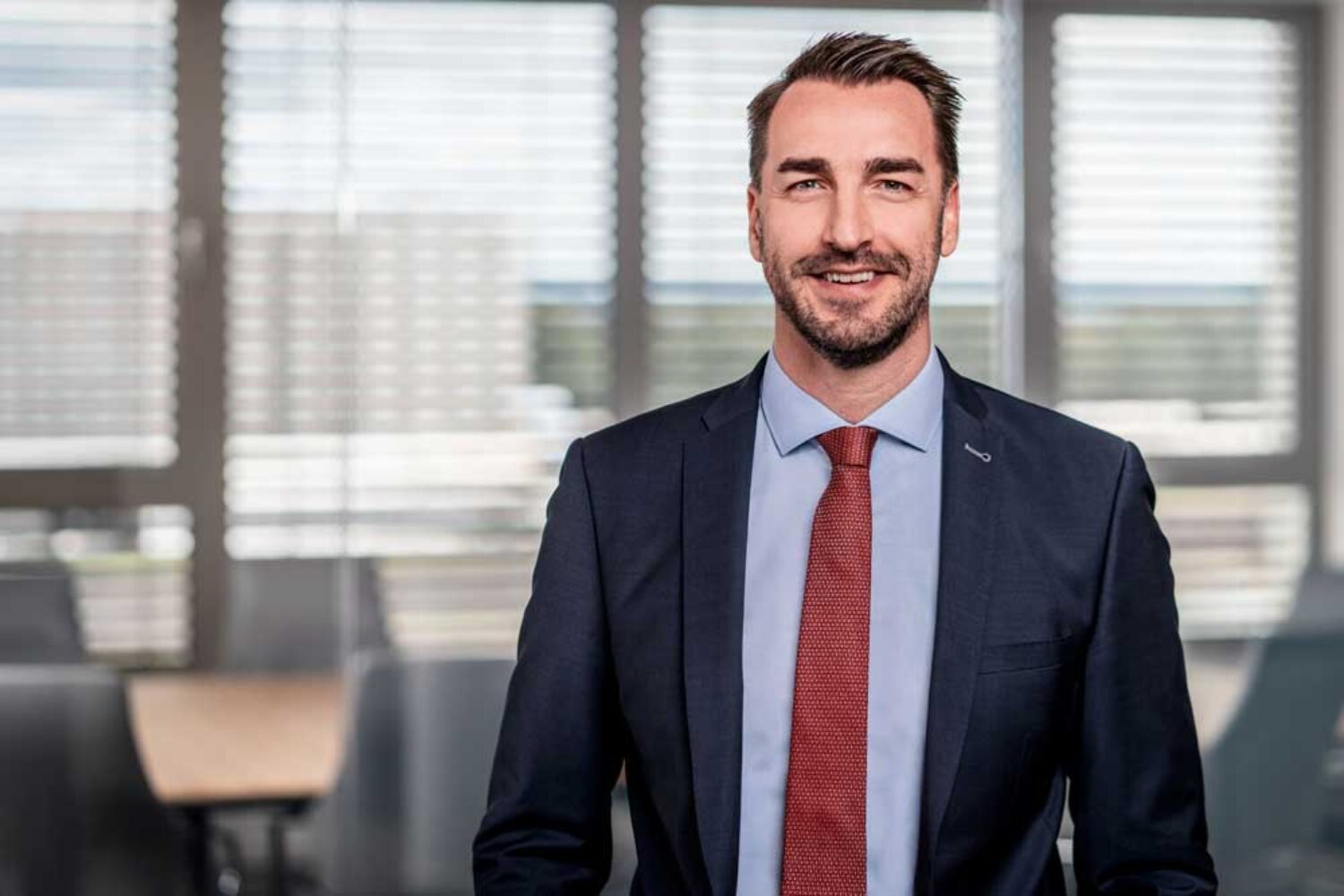
According to a statement, Steffen Bauer, CEO of the HGK Group, believes the industry is on the cusp of a turning point. He is calling on the federal government to provide a reliable and long-term investment framework that goes beyond short-term subsidy programmes. For small and medium-sized enterprises and private owners in particular, the high investment costs for future-proof newbuilds would be almost impossible to bear without state support. The HGK is proposing subsidy rates of up to 40% for this purpose.
“Keeping supply chains operational for longer”
“We are currently seeing what a more modern fleet is capable of: our ‘Synthese 18’ is still transporting 485 tonnes of cargo, even under the current extreme conditions at the Kaub gauge,” said Bauer. “Let’s imagine we had such capabilities not just on individual vessels, but across relevant parts of the European fleet. That is precisely what our call for up to 1,000 modern vessels is all about: keeping industrial supply chains operational for longer, even during periods of extreme water levels.”
The current low water levels on the Rhine in 2026 are likely to put a noticeable brake on German economic growth. Current estimates suggest a reduction in GDP growth of roughly 0.3 to 0.4 percentage points, provided the period of extreme low water persists. The Kiel Institute for the World Economy estimates the potential economic damage caused by the current low water levels in the third quarter at up to €2 billion.
In Bauer’s view, a comprehensive modernisation programme would not only strengthen the security of supply for industry along the Rhine corridor, but also safeguard European shipbuilding capacities and technological expertise in the long term. The modernisation of the fleet must go hand in hand with the necessary investment in the infrastructure of the federal waterways.
“Modernising the fleet is a European task – but Germany must take the lead,” said Bauer. “We need a reliable investment framework from the Federal Government up to 2035 that mobilises private capital and gives companies planning certainty for newbuilds. In this way, we will strengthen the resilience of our supply chains whilst also boosting industrial value creation and shipbuilding expertise in Europe.”
Further developing funding instruments
The company is therefore calling on the federal government to further develop the existing funding instruments into a long-term, reliable investment framework up to 2035. According to the company, the current federal programme for green inland waterway transport, initially worth €125 million, is an important foundation, but it neglects the necessary adaptations to sustainable periods of low water. What is now crucial, it says, is a long-term perspective that extends beyond individual funding and legislative periods.
However, a fleet renewal programme is no substitute for the necessary investment in federal waterways. Optimising unloading operations on the Middle Rhine, improving unloading and stabilising the riverbed on the Lower Rhine, and eliminating further infrastructural bottlenecks remain just as necessary.
“Such a programme would send a strong signal to German industry,” said Bauer. “Companies along the Rhine corridor, in particular, must be able to rely on their supply chains functioning even under more challenging conditions. Anyone who invests in a resilient waterway and a modern fleet is therefore investing directly in the future viability of Germany as an industrial location. We expressly welcome the Federal Government’s initiative to involve environmental organisations in the planning of the necessary measures.”
Further news on the topic of low water levels and inland waterway transport in general can be found on our sister publication binnenschifffahrt-online.de (in German language only).