



The Strait of Hormuz and the “surrounding waters” have been classified as a “high risk area” by trade unions and employers due to the military escalation between the USA, Israel and Iran.
The International Transport Workers’ Federation (ITF) and the so-called “Joint Negotiating Group” (JNG) as social partners of the International Bargaining Forum (IBF) have now issued a statement to this effect. This classification is said to reflect the rapidly deteriorating security situation, with attacks on merchant ships and a growing risk to seafarers. More than 200 ships are currently moored in or near the Strait of Hormuz, and Iran has now officially declared the sea route closed. The International Maritime Organization (IMO) has urged extreme caution and recommended that ships avoid the entire area if possible.
“Seafarers are civilian workers. They must never be exposed to military risks or misused as leverage in geopolitical conflicts. Their safety takes precedence over all economic considerations,” says the ITF union, which claims to represent the interests of more than 16.5 million transport workers worldwide.
The classification as a high-risk area activates enhanced protective measures for IBF-registered seafarers working in or near the affected waters. Ship owners and operators must conduct enhanced risk assessments prior to transit, provide timely and clear information to seafarers about the safety situation, ensure full implementation of all contractual, insurance and safety-related safeguards, and communicate with crews and their representatives regarding voyage planning and risk mitigation.
In addition, the IBF agrees to include the right of seafarers to refuse entry into the area in the existing conditions for the designated high risk area. The International Bargaining Forum (IBF) brings together the ITF and the international maritime employers who form the Joint Negotiating Group (JNG).
Together, they want to follow developments closely and continue to discuss a possible upgrade of the area to an area of war-like operations in the coming days. This classification would activate additional protective measures for seafarers.
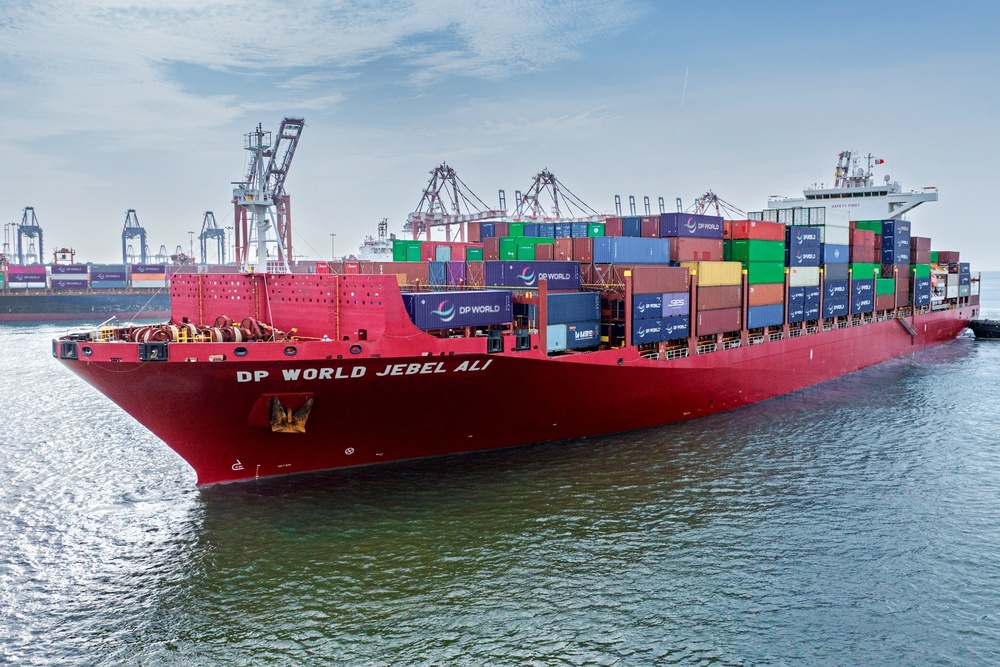
Previously, the ITF had “strongly condemned the bombings by Israel and the United States in violation of international law and the subsequent retaliatory attacks by Iran throughout the region”. So far, there have also been attacks on three tankers, bomb attacks on the international airports of Bahrain, Dubai and Zayed as well as on the ports of Jebel Ali in the United Arab Emirates and Duqm in Oman. One sailor was killed after a projectile hit the tanker “MKD Vyom” off the coast of Oman. He was working in the engine room at the time of the attack. Four sailors were also reportedly injured when the Palau-flagged tanker “Skylight” was hit off the coast of Oman on Sunday. A worker was also reportedly injured in a drone attack on the port of Duqm in Oman.
ITF general secretary Stephen Cotton said: “The ITF and the entire trade union movement condemn the ongoing cycle of military action and retaliation that is driving the region into wider conflict, endangering civilian lives and threatening peace, stability and security far beyond the Middle East. Without an urgent de-escalation, the consequences for working people, global trade and international security will be grave.”