




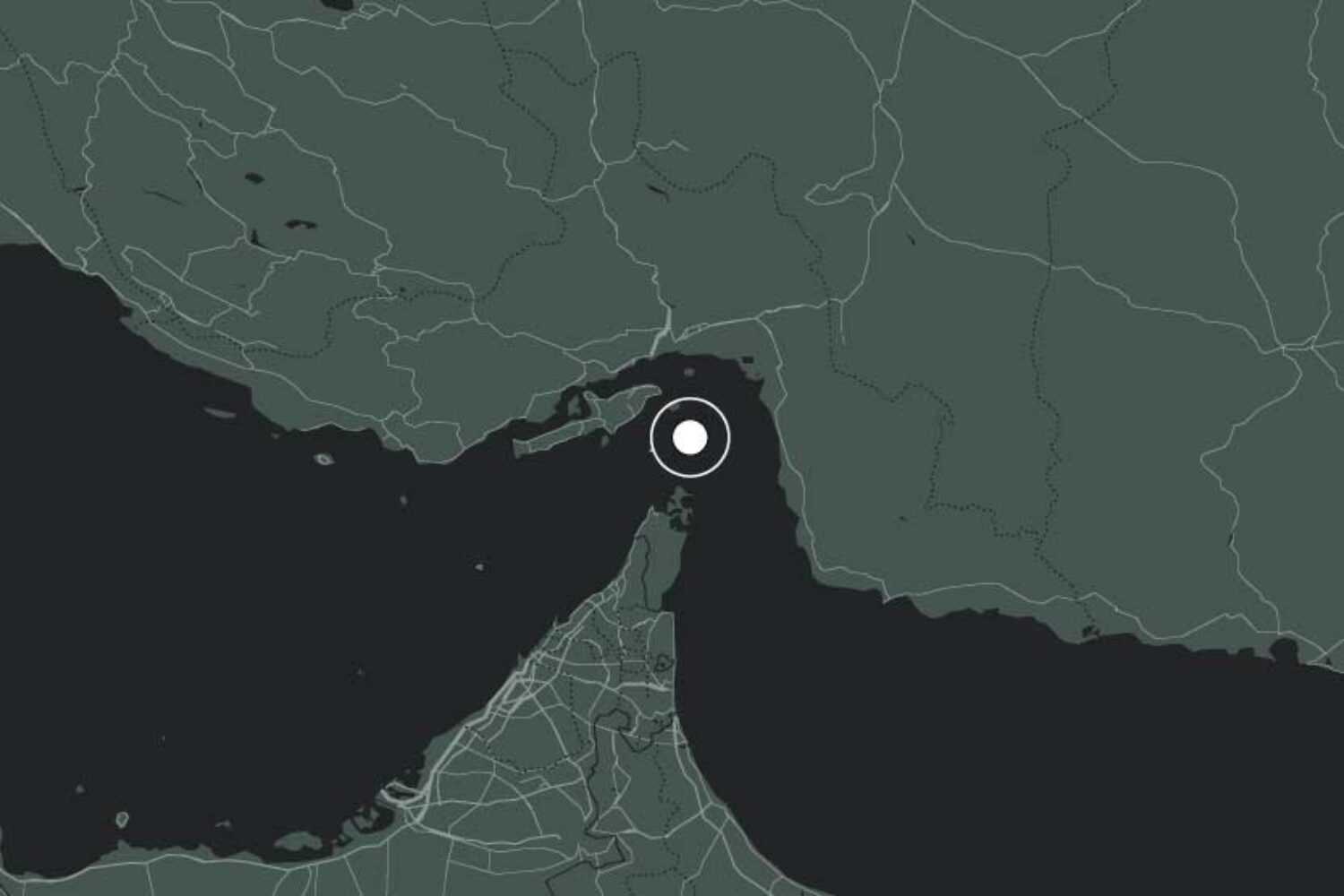
The US-Israeli war against Iran has been going on for five weeks now – with a noticeable impact on the global economy. The closure of the Strait of Hormuz has not only caused prices for energy to rise, but also for fertilizer.
The UN has analyzed the current situation. According to the organization, shipping traffic through the Strait of Hormuz has almost collapsed, with transits down by over 95%, disrupting energy and fertilizer flows.
The escalation of the conflict in the Strait of Hormuz region, including Iran and the Gulf states, is increasingly reflected in the fertilizer markets and links disruptions in energy and shipping markets with agricultural markets, future food supplies and trade.
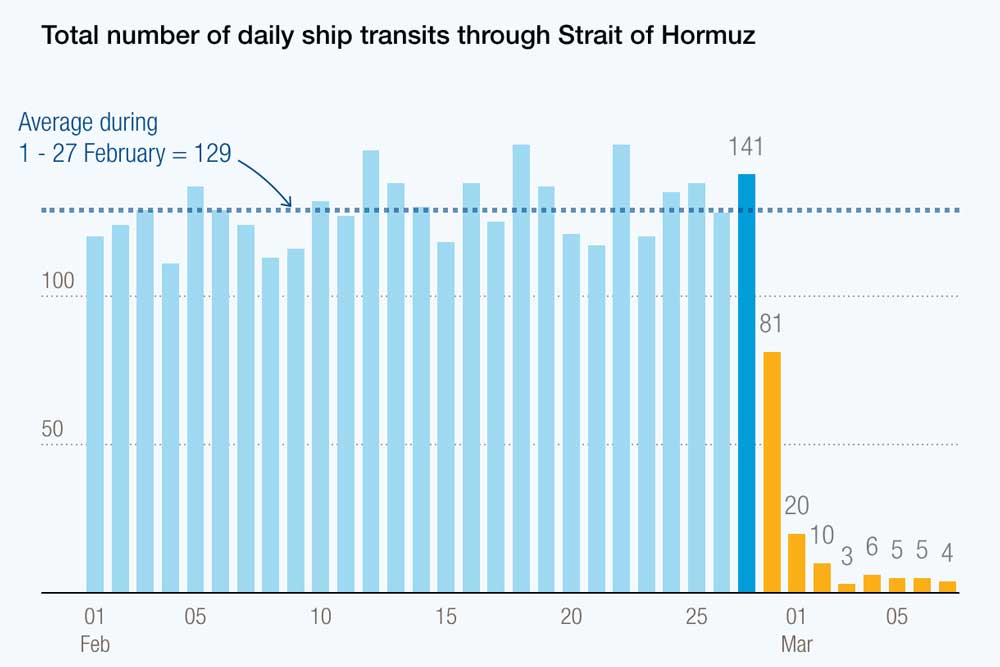
Energy prices have an impact on fertilizer
The energy markets reacted immediately to the standstill in the Strait of Hormuz. Oil prices have risen sharply, while natural gas prices have risen significantly in both Europe and Asia – prices have roughly doubled in Asia, and Europe has also seen similarly sharp increases.
This is relevant for fertilizers, as natural gas is a key raw material for the production of nitrogen-based fertilizers such as urea and ammonia. Rising gas prices increase the production costs for fertilizers and drive up their prices, according to the UN.
The effects are already visible. According to the organization, prices for nitrogen-based fertilizers have risen significantly, while phosphate-based fertilizers have become moderately but noticeably more expensive.
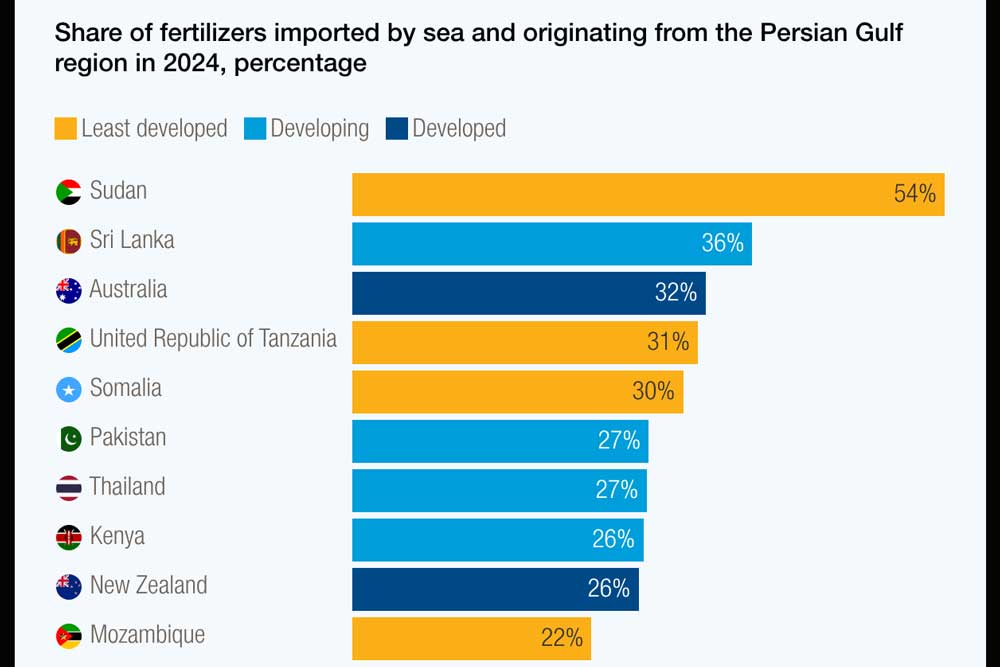
A third of the fertilizer volume passes through the Strait of Hormuz
The region’s role goes beyond energy. It is also a major producer of important primary products such as sulphur, which is used for phosphate-based fertilizers, and a central hub for the global fertilizer trade. Around a third of the world’s sea-borne fertilizer volume passes through the Straits.
For major importing countries, especially in Asia, disruptions in energy and fertilizer flows are closely linked. Restricted access to natural gas and higher costs can have a direct impact on the production, availability and trade of fertilizers.
According to the UN, the fertilizer trade is highly concentrated and therefore particularly vulnerable to disruptions. Countries in the region account for 13% of global exports of nitrogen and 9% of phosphate fertilizer nutrients.
Countries such as Brazil and India are dependent on fertilizer imports. Many developing countries also need fertilizers for the production of staple foods. The dependence on supplies from the Gulf is considerable in countries such as Sudan, Tanzania and Somalia.
This dependency comes up against a limited ability to cushion price increases or develop alternative sources of supply. According to the UN, many import-dependent economies have limited fiscal space, external imbalances and limited access to financing, which reduces their ability to respond to rising costs.
Costs rise along the supply chain
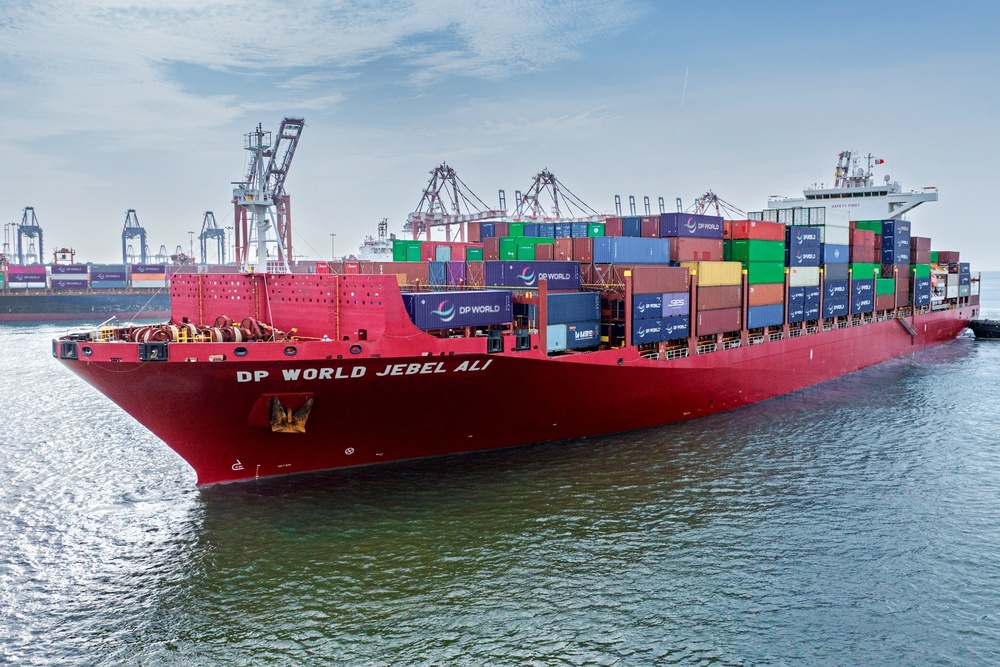
As the UN also reports, freight rates for oil tankers have risen by more than 90 % since the end of February. Bunker fuel prices have almost doubled, while war risk insurance premiums have risen sharply; some insurers have stopped insuring ships in the Persian Gulf altogether.
As a result, shipowners are forced to either suspend sailings or pay significantly higher insurance costs, with premiums per voyage increasing several times over.
These higher transport and insurance costs are reflected in rising fertilizer prices and in turn affect agricultural production and exports.