



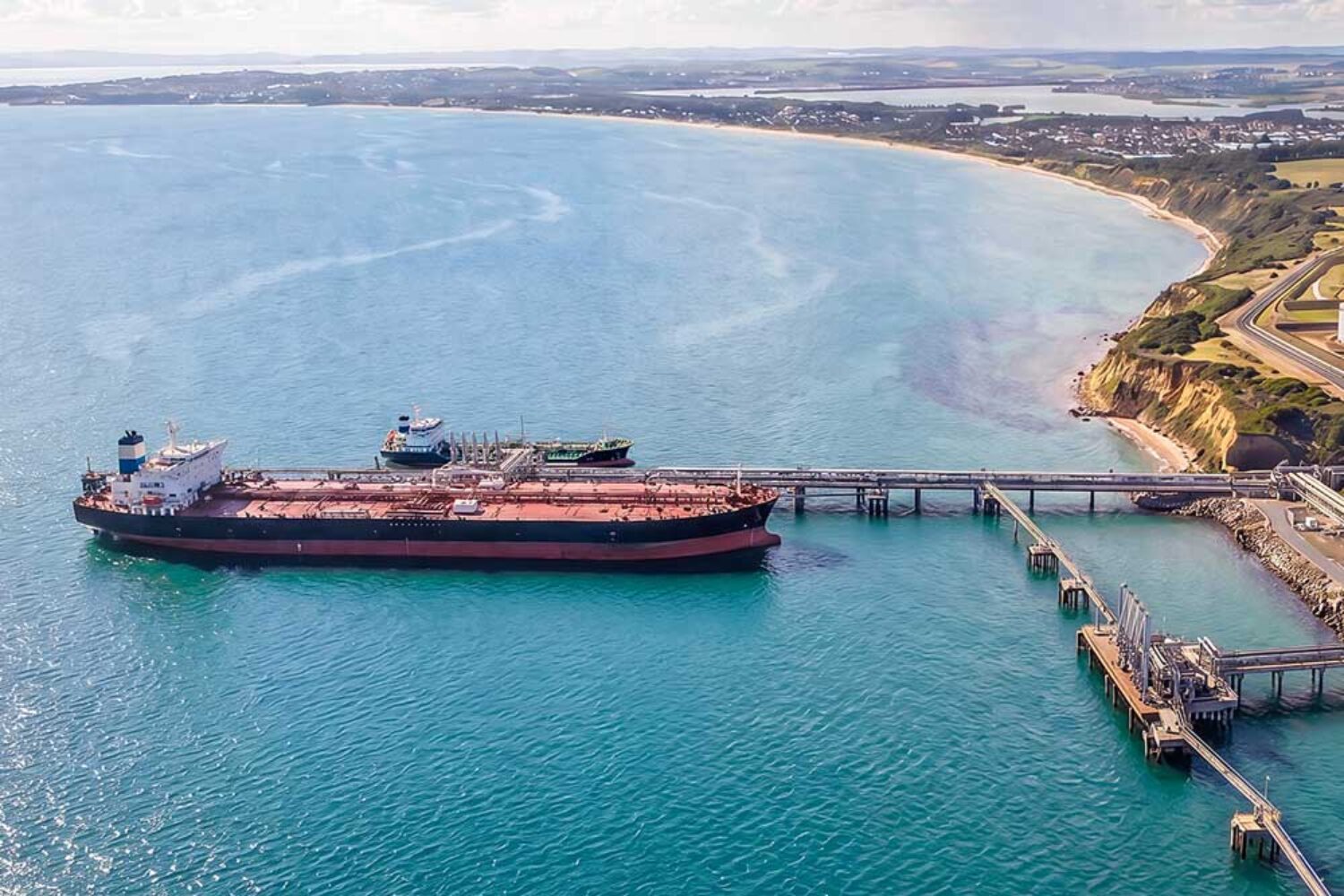
Shipping companies find themselves forced to plan for various future scenarios due to regulatory uncertainty. In its new “Maritime Forecast to 2050”, DNV calls for the introduction of globally applicable regulations.
Planning the sustainable development of a fleet is no easy task. The fact that shipowners cannot rely on universally applicable regulations makes this planning even more difficult – and makes it harder to gain acceptance for energy efficiency measures. In the latest edition of its “Maritime Forecast to 2050“, the classification society DNV recommends the introduction of stricter global emissions regulations to accelerate the implementation of such measures. The organisation forecasts that, as a result, the global fleet could consume up to 25% less energy by 2050 than it would under regional regulations.
The report examines four possible regulatory scenarios – ranging from the adoption of the IMO Net-Zero Framework (NZF) in its current form to its complete rejection, with a continuing regulatory deadlock. It also analyses the implications for fuel demand, energy efficiency measures and long-term fuel and technology strategies for fleets.
“Ships ordered today will remain in service well beyond 2050. At the same time, key performance factors remain uncertain,” says Cristina Saenz de Santa Maria, CEO Maritime at DNV. “Regulatory requirements are evolving faster than the necessary fuels, infrastructure and technologies. This makes long-term investment decisions highly complex. The industry needs greater clarity and closer coordination between all stakeholders to build confidence in long-term investments. At the same time, shipping companies need strategies that create added value today whilst remaining resilient to regulatory and market-related changes.”
Immediate benefits of energy-efficient ships
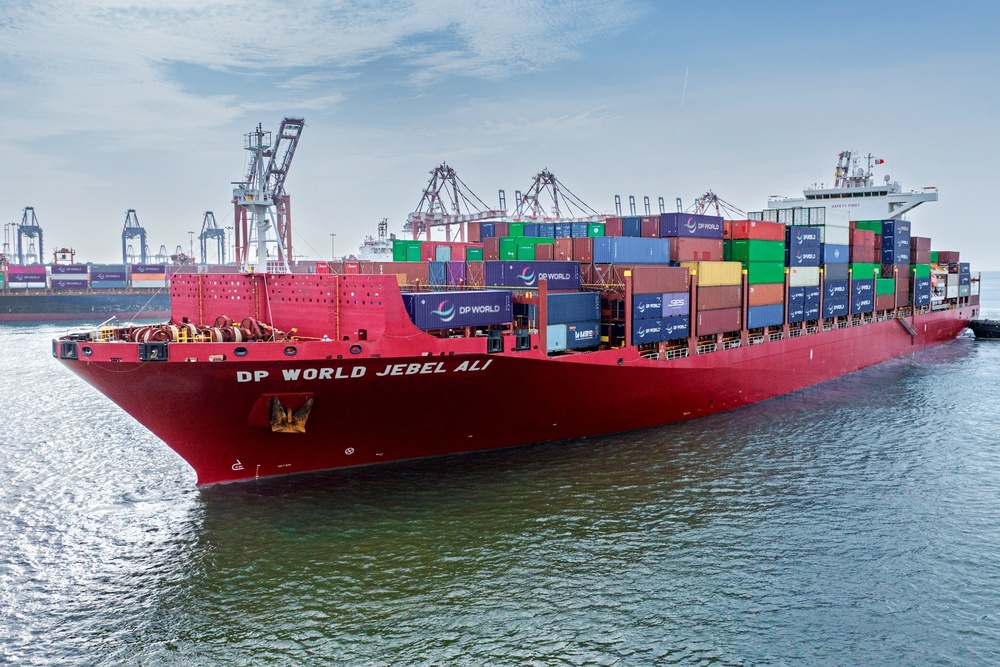
According to DNV, energy efficiency is one of the most effective levers that shipping companies can utilise immediately. Regardless of the regulatory outcome, it creates added value – both in newbuilds and through retrofits. The company cites a case study on hydrodynamic retrofitting measures carried out on a 5,000 TEU container ship. This demonstrates a potential annual fuel saving of 16 per cent, with a payback period of approximately one to four years, depending on how fuel prices develop in the future. “Retrofitting can create similar added value for many types of vessel and, with sufficient planning, can usually be carried out during a regular class renewal docking,” says DNV.
The market development of maritime fuels with low greenhouse gas emissions remains a key challenge for the industry. Although “significant progress” has already been made in equipping ships for alternative fuels, “scaling up fuel production depends on whether sufficient confidence in future demand is established”, according to DNV. Experts forecast that, depending on regulatory developments, the shipping industry will have a demand for low-GHG-emission fuels of between 4 and 22 million tonnes of oil equivalent (Mtoe) by 2030 and between 33 and 185 Mtoe by 2050. Their introduction will also be influenced by the future use of shore power, plug-in hybridisation, nuclear energy and on-board carbon capture systems.
Current project plans suggest a maximum global supply of alternative fuels of 270 Mtoe by 2030. However, actual volumes are likely to be lower due to delays and other uncertainties. Furthermore, the shipping industry will have to compete with other sectors for its share. At the same time, the costs of reducing emissions vary considerably depending on the fuel pathway. According to DNV, the abatement costs range from around $180 to $1,290 per tonne of CO₂ avoided. This highlights the importance of regulation and market incentives in enabling markets for low-GHG-emission fuels to develop.
“The scenarios in this year’s report show how significantly different regulatory developments can influence the introduction of energy efficiency measures, fuel demand and, consequently, GHG emissions,” said Øyvind Sekkesæter, lead author of the Maritime Forecast to 2050. “By testing fuel and technology decisions under different scenarios, shipping companies can develop strategies that create added value today whilst ensuring flexibility – even as regulation, fuel availability, prices and technologies continue to evolve. The strategies a company chooses also depend on the type of fleet and the specific operational environment.”
Key findings of the report
- Various future regulatory pathways are possible whilst the IMO continues negotiations on the Net-Zero Framework. The outcome will shape investment decisions, the introduction of low-GHG-emission fuels and the implementation of energy efficiency measures across the global fleet.
- Global regulatory incentives could enable the global fleet to consume 25 per cent less energy by 2050 than under purely regional regulation.
Energy efficiency pays off regardless of the regulatory environment: a case study of a 5,000 TEU container ship shows annual fuel savings of 16 per cent through hydrodynamic retrofits. - Depending on the regulatory outcome and availability in a highly competitive global market, the shipping industry’s demand for low-GHG-emission fuels could range between 4 and 22 Mtoe by 2030 and between 33 and 185 Mtoe by 2050.
- Current project pipelines suggest that a maximum of 270 Mtoe could be available by 2030. However, actual volumes could be lower due to project delays and other uncertainties. Furthermore, the shipping sector will have to compete with other sectors for its share.
- Simulating fuel and technology strategies across various scenarios can help shipping companies make robust decisions regarding their transformation. Testing, piloting and verifying technologies provides reliable performance data and creates greater certainty for investment decisions.
The full report is available on the DNV website.