



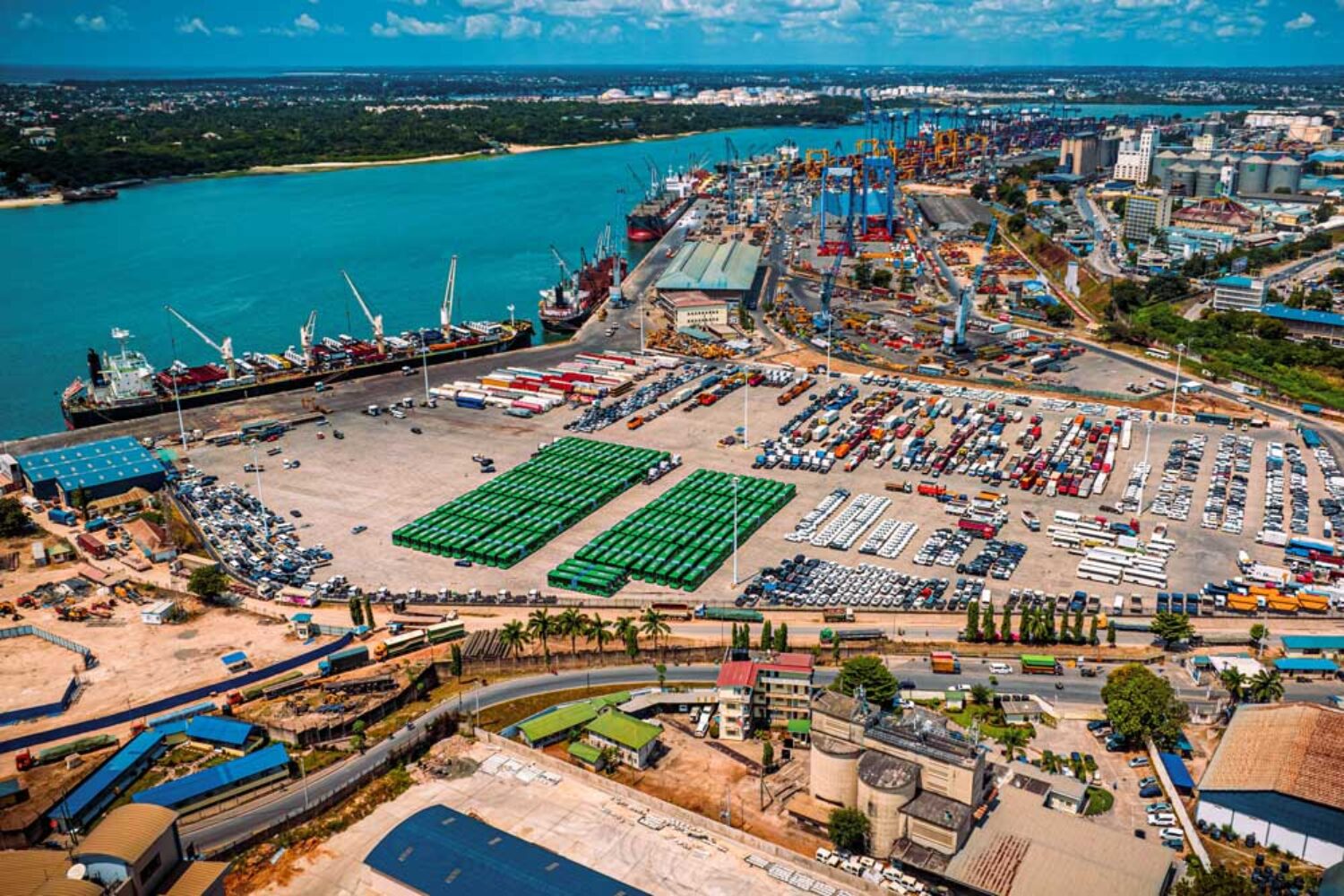
Ship handling at the Port of Dar es Salaam has been significantly speeded up over the last two years. This is due to the port’s switch to a modern Ro-Ro system.
For the port of Dar es Salaam, Tanzania’s economic hub, this development represents a significant step forward, both in terms of its operations and its integration into global trade. The global terminal operator DP World is behind this development. The company has been operating in Dar es Salaam since April 2024 and will continue to do so for decades to come: “Operating under a 30-year concession, DP World continues to invest in modernising and expanding the port to support the country’s long-term trade ambitions,” according to a statement.
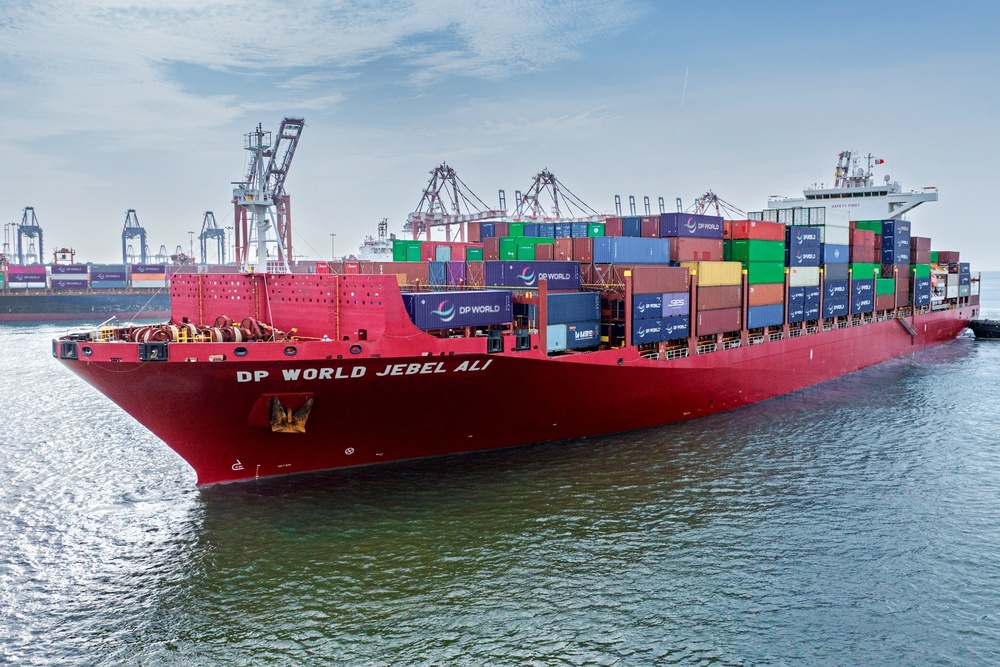
The company, which is listed on the Dubai Stock Exchange, has managed to reduce unloading times at the port by more than 90 per cent, from around 300 hours per ship to under 28 hours. This was made possible by the switch from general cargo operations to modern roll-on/roll-off (RoRo) procedures. This is intended to facilitate the handling of larger and more complex vessels, as well as reducing costs across the entire supply chain. The long-term aim is to equip the Port of Dar es Salaam to compete internationally.
In the first quarter of 2026, the “Ramhan” – the largest ship to date – called at the port. The RoRo carrier, flying the flag of the Marshall Islands, is 240 metres long and has a capacity of 7,790 CEU. In Dar es Salaam, the vessel unloaded heavy goods vehicles, totalling 779 CEU, in just over 27 hours.
Cargo handling “fundamentally improved”
Martin Jacob, CEO of DP World in Tanzania, said: “Over the past two years, we have fundamentally improved how cargo moves through the Port of Dar es Salaam. Faster turnaround, higher capacity and the ability to handle larger, more complex vessels are strengthening Tanzania’s position as a regional trade gateway to East Africa while delivering benefits for customers, businesses and the wider economy.”
According to DP World, the switch to handling “Pure Car and Truck Carriers” (PCTCs), implemented in collaboration with the Tanzania Ports Authority (TPA), has enabled faster, safer and more efficient unloading of heavy goods vehicles. To cope with rising freight volumes and the handling of larger vessels, DP World continues to invest in staff training and port security. More than 2,900 Tanzanians are employed at the terminal; staff obtain internationally recognised certifications and undergo specialist training in operational procedures and emergency response to ensure safe, efficient and reliable operations.
“Our continued investment in the Port of Dar es Salaam reflects DP World’s long-term commitment to Africa’s economic growth and integration into global trade networks,” said Mohammed Akoojee, CEO and Managing Director of DP World Africa. “Through our partnership with the Tanzania Port authority, we are not only modernising critical infrastructure, but we are also enabling regional integration, reducing trade barriers, and creating sustainable economic opportunities.”
DP World is also active in other African countries. For example, last autumn the group launched a new digital port community system in Kenya. In Somalia, the company established a new container service to link the East African country with the Arabian Peninsula. Meanwhile, in Djibouti, a legal dispute is still ongoing over the operation of the Doraleh Terminal, which was seized by the government in 2018. It has originally been operating as part of a joint venture between DP World and the state-owned port company.