



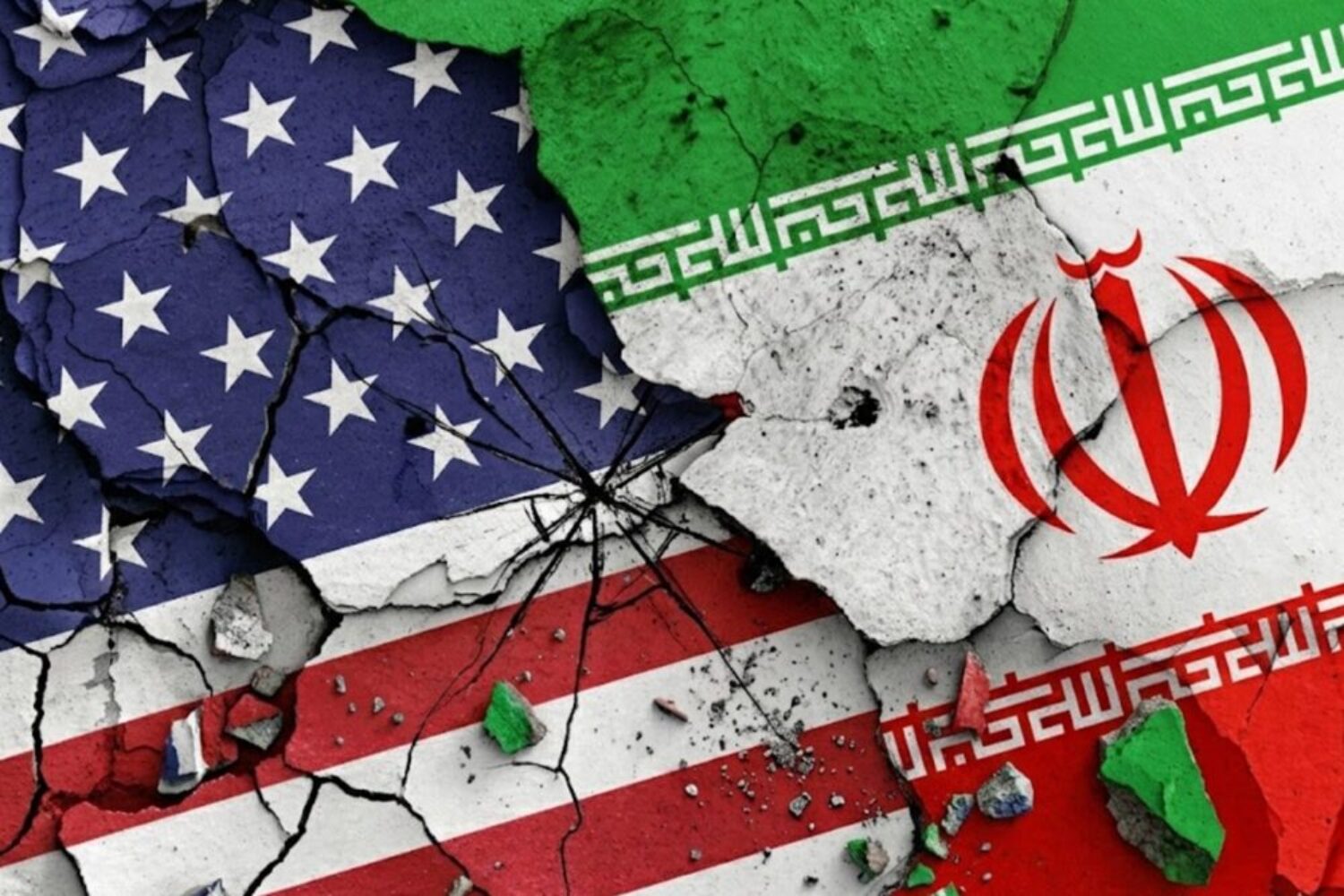
US President Donald Trump has extended his previously set 48-hour ultimatum to Iran to fully open the strait by a further five days.
At the same time, planned attacks on Iranian power plants and energy infrastructure are to be suspended for the time being, but only on the condition that the ongoing talks make progress.
At the weekend, Trump had threatened Tehran with attacks on its energy infrastructure if the passage was not fully reopened to shipping traffic within 48 hours. Iran responded with strong counter-warnings and held out the prospect of retaliation against US-related energy facilities in the Gulf region if Iranian infrastructure was attacked.
With the extension of the deadline that has now been announced, Washington has adopted a somewhat softer tone for the time being. Trump justified the postponement with what he said were in-depth and constructive talks on a possible comprehensive settlement of the hostilities. The White House is thus continuing its recent erratic course: immediate threats of escalation are now followed by a temporary diplomatic postponement.
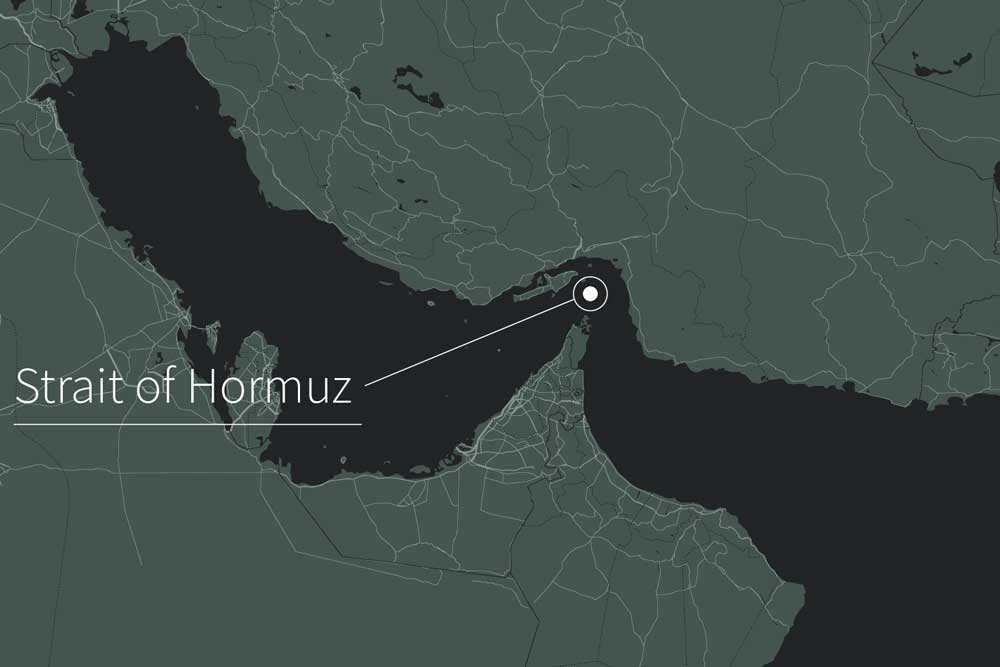
For the time being, this does little to change the dangerous situation for shipping. The Strait of Hormuz remains the central bottleneck for oil and LNG shipments from the Persian Gulf. The military escalation has already severely affected traffic, with direct consequences for tanker shipping, gas transportation, insurability and charter markets. Even where exports technically continue, supply chains and schedules are coming under increasing pressure.
Iran denies direct contacts
However, Iran denied negotiations between Tehran and Washington. There are no direct contacts with Trump, not even through intermediaries, according to reports by the Fars and Tasnim news agencies, which are close to Iran’s powerful Revolutionary Guards. However, Iranian Foreign Minister Abbas Araghchi spoke on the phone with his Turkish counterpart Hakan Fidan. Turkey has also acted as a mediator in the past.
IEA warns of serious energy crisis
The head of the International Energy Agency (IEA), Fatih Birol, warns of what could be the most serious energy crisis in decades in view of the Iran war. The current crisis is “two oil crises and a gas collapse in one”, Birol told the National Press Club in Sydney, Australia, referring to the oil crises of the 1970s and the effects of the Russian invasion of Ukraine in 2022. Meanwhile, the Israeli army launched a new wave of attacks on targets in Tehran. The Gulf states reported attacks from Iran on their territories.
US media also report that American forces have already stepped up their operations in the region. Accordingly, fighter jets and helicopters are increasingly taking action against Iranian drones and naval units. Attacks on specially protected missile positions on the Strait of Hormuz have also been expanded.