




After more than a week of war in Iran, the consequences for shipping are already dramatic: journeys through the Strait of Hormuz are collapsing and rates for tankers are at a record high.
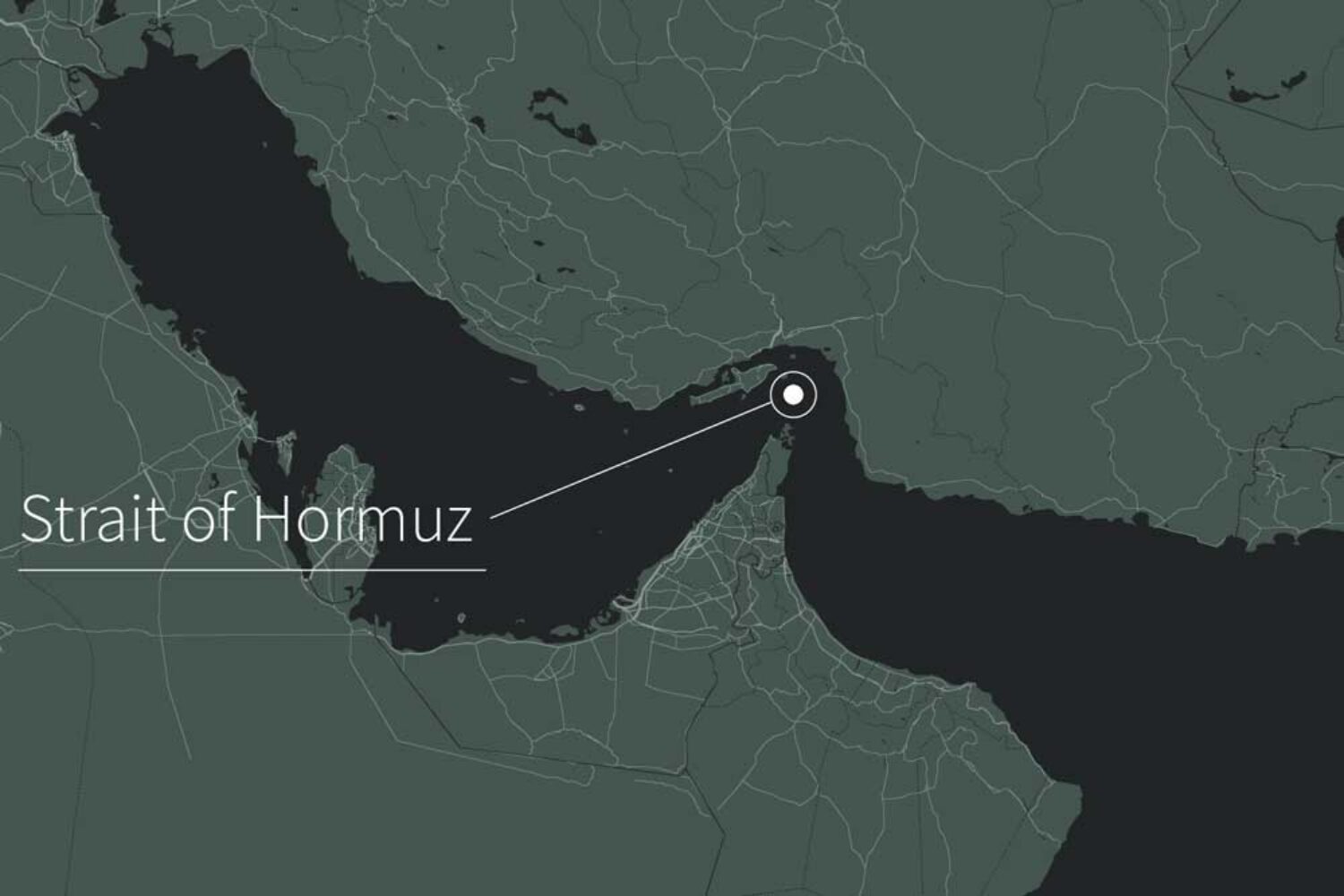
The Strait of Hormuz is effectively closed: Following an announcement by the Iranian Revolutionary Guard that ships in the strait would come under fire, passages have slumped drastically. According to data from the industry service provider Clarksons, Iran’s threats have had an effect – journeys through the strait have fallen by 90% compared to the previous week.
As a good 20 million barrels of oil are shipped through the Strait of Hormuz every day (around 20% of global demand, plus 30% of LPG and 20% of LNG trade), the impact on the oil price is directly noticeable. “Brent” rose by 20% to 111 $ in the meantime. In addition to these important energy flows, 3% of global bulk and container trade was also part of the total of around 150 passages per day. Now there are only 15.
For the tanker markets, the lockdown means a rapid increase in rates, especially in the VLCC segment: “The theoretical spot earnings for VLCCs in the Middle East and China are now $480,000 per day,” Clarksons said. “This positive development is spreading to other regions: Non-US State and West African Trade (WAF) revenues are above $220,000 per day, and demand for Red Sea cargoes is increasing as Saudi Arabia diverts some of its oil shipments.”
A similar trend can also be observed in other tanker segments. For example, spot rates for Suezmax tankers were more than $300,000 per day, and over $60,000 per day for clean MR tankers. For LNG ships with a capacity of 174,000m3, the rate rose fivefold to $205,000 – the highest level since September 2023.
Consequences for container shipping
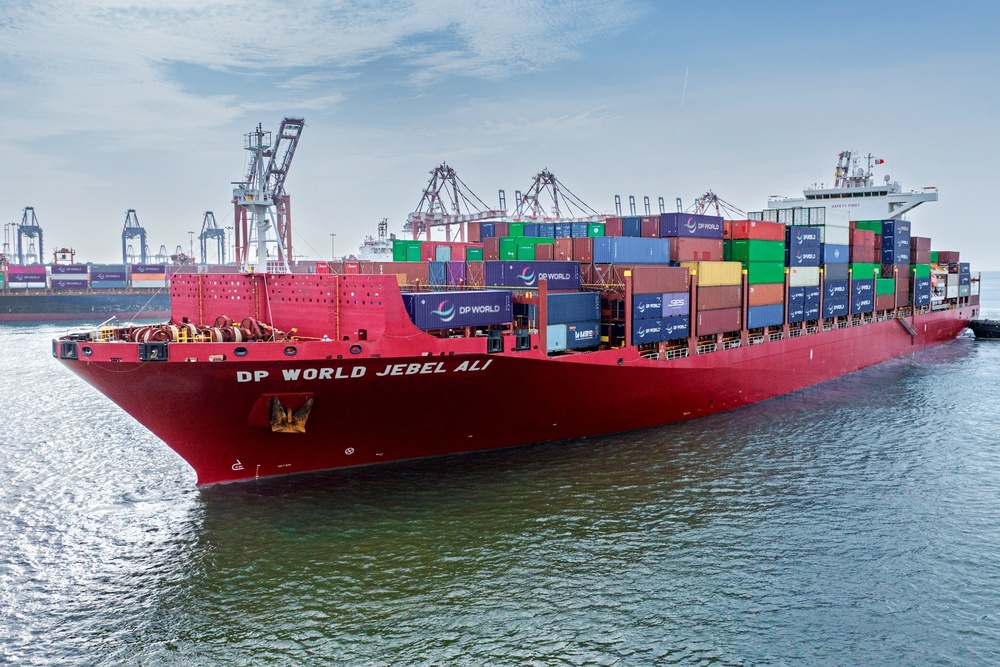
The lockdown has caused shipowners and charterers in container shipping to react directly. The ratio of new bookings to container cancellations has tipped dramatically in the course of less than a week: A drop of almost 60% on the one hand, an increase of more than 360% on the other.
As data from the analysis company Dun & Hardstreet shows, companies are making direct adjustments to their supply chains. “Between March 1 and 3, newly booked import volumes for container shipments via the Strait of Hormuz fell dramatically compared to the same 3-day period in the previous week,” according to a market analysis. “Bookings fell by 59% – from 25,144 to 10,382 TEU. At the same time, cancellations rose by 364%, from 8,010 to 37,193 TEU.”
On March 3 alone, over 21,700 TEU were canceled, but only 1,900 TEU were newly booked. This corresponds to only 13% of the previous week’s volume and marks the lowest weekday booking level since the beginning of 2024.
“When cancellations exceed new bookings over several days, it is a clear signal that companies are recalibrating their supply chains at short notice,” says Dirk Radetzki, Chief Regional Officer Central Europe at Dun & Bradstreet. “It is therefore becoming increasingly important for risk management and supply chain teams to bring together trade data, company information and risk metrics to identify disruptions at an early stage.”
The conflict had not yet had any significant effect on charter rates at the end of last week: the VHBS’s New ConTex hardly moved despite the crisis.