




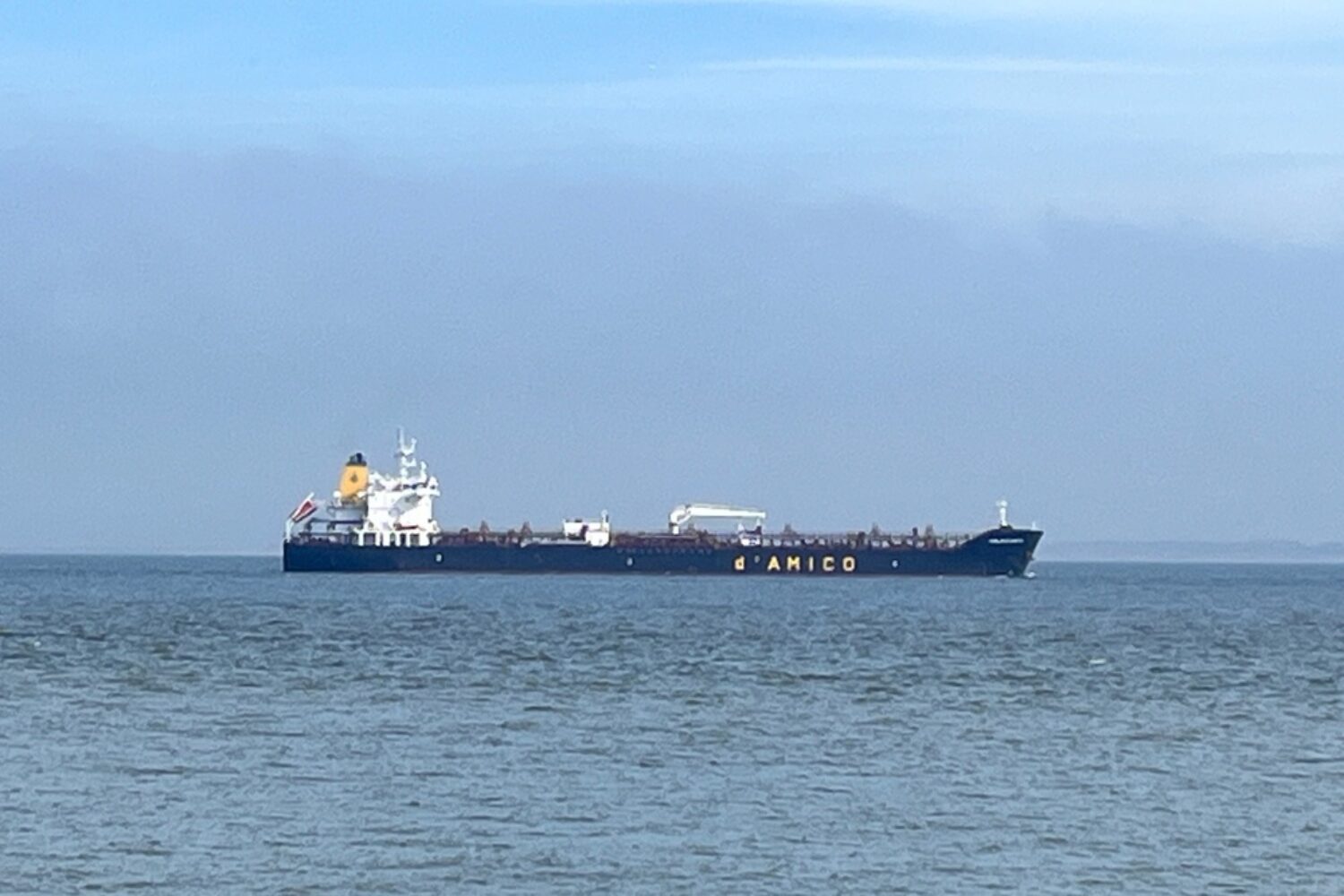
The increasing disruption to shipping in the Middle East is driving freight rates for crude oil tankers to historic highs. Most recently, large VLCC tankers have been commanding rates of up to $451,000 per day.
Freight rates in the crude oil tanker market have reached new record highs. According to data from Clarksons Research , average daily earnings for Very Large Crude Carriers (VLCCs) recently rose by 68 per cent within a week to around $451,000. This trend is being driven by a combination of continued comparatively high volumes of oil transport and significant disruptions to established trade routes.
Rates are currently particularly high on both western and eastern routes. For shipments from the US Gulf to China, Clarksons estimates freight costs at $37.5 million, or around $19 per barrel. On the Oman–South Korea route, VLCC earnings of up to $572,000 per day were reportedly achieved.
Smaller tanker segments are also benefiting from this trend: according to Clarksons, average earnings for Suezmax tankers rose by 94 per cent within a week to a record $343,000 per day.
Disruptions are causing longer transit times
A key factor is the ongoing geopolitical tensions in the Middle East. Clarksons points to further attacks on ships in the Gulf as well as a sharp reduction in visible AIS transits through the Strait of Hormuz. At the same time, crude oil continues to be transported through the strait by VLCCs and is subsequently, in some cases, transhipped via ship-to-ship (STS) transfers in the Gulf of Oman.
This is causing significant inefficiencies within the fleet. Around 15 per cent of the global VLCC fleet is currently off the coast of Oman, up from around 10 per cent at the start of July. At the same time, many transport routes are being extended. According to analysts’ estimates, around half of the oil transported via the Red Sea is now first routed via Suez or the SUMED pipeline and then shipped by sea round the Cape of Good Hope to Asia in order to circumvent the risks at the Bab al-Mandab.
Despite the disruptions, crude oil exports from the Middle East remain comparatively robust. Clarksons estimates that around 8 million barrels per day are currently being transported through the Strait of Hormuz. Added to this are around 2.5 million barrels per day via Fujairah and Oman, as well as around 3 million barrels via the Saudi port of Yanbu. In total, the region’s crude oil exports would thus stand at around 13.5 million barrels per day, compared with around 18 million barrels before the start of the current phase of the conflict.
‘ClarkSea Index’ also at a record high
The strong tanker markets are also having an impact on the wider shipping market. The “ClarkSea Index”, calculated by Clarksons, stands at $56,567 per day – 91 per cent above the previous year’s level and at its highest point since records began. In addition to crude oil tankers, rates in the container, bulk carrier, LPG and car carrier sectors are also at or near multi-year highs.
Clarksons currently describes the crude oil tanker market as benefiting from a favourable combination of ‘just sufficient’ transport volumes and significant logistical disruptions. As long as sufficient volumes of oil remain in the market and, at the same time, detours, STS transfers and other inefficiencies tie up additional vessel capacity, tanker rates are likely to remain at exceptionally high levels.