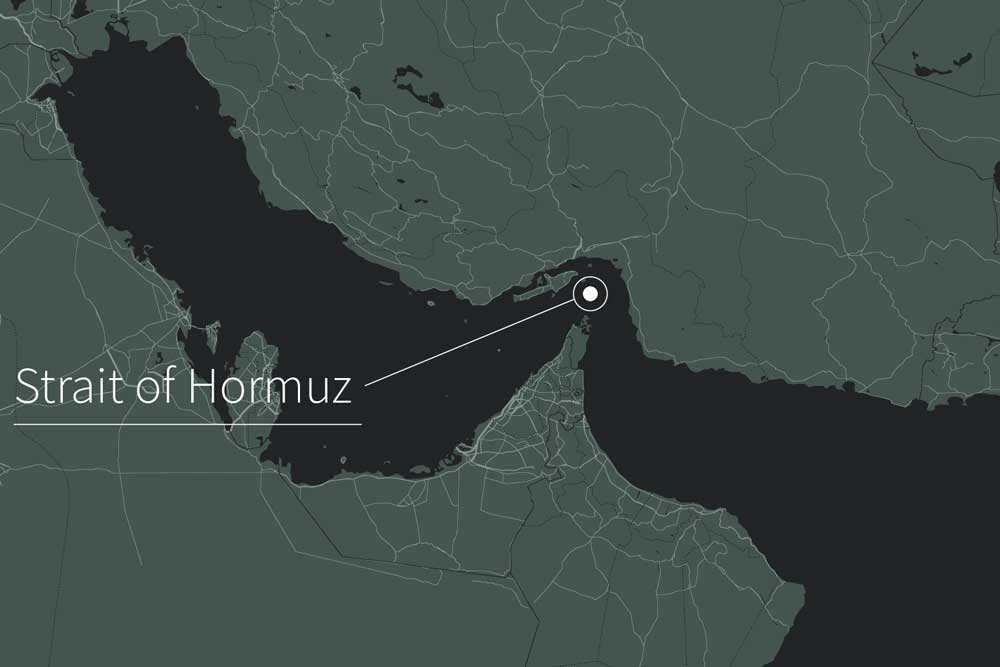




Iran war: Ships are stuck in the Persian Gulf, the Strait of Hormuz remains effectively blocked. Several countries condemn the attacks on merchant ships and warn of serious consequences for energy supplies and the global economy.
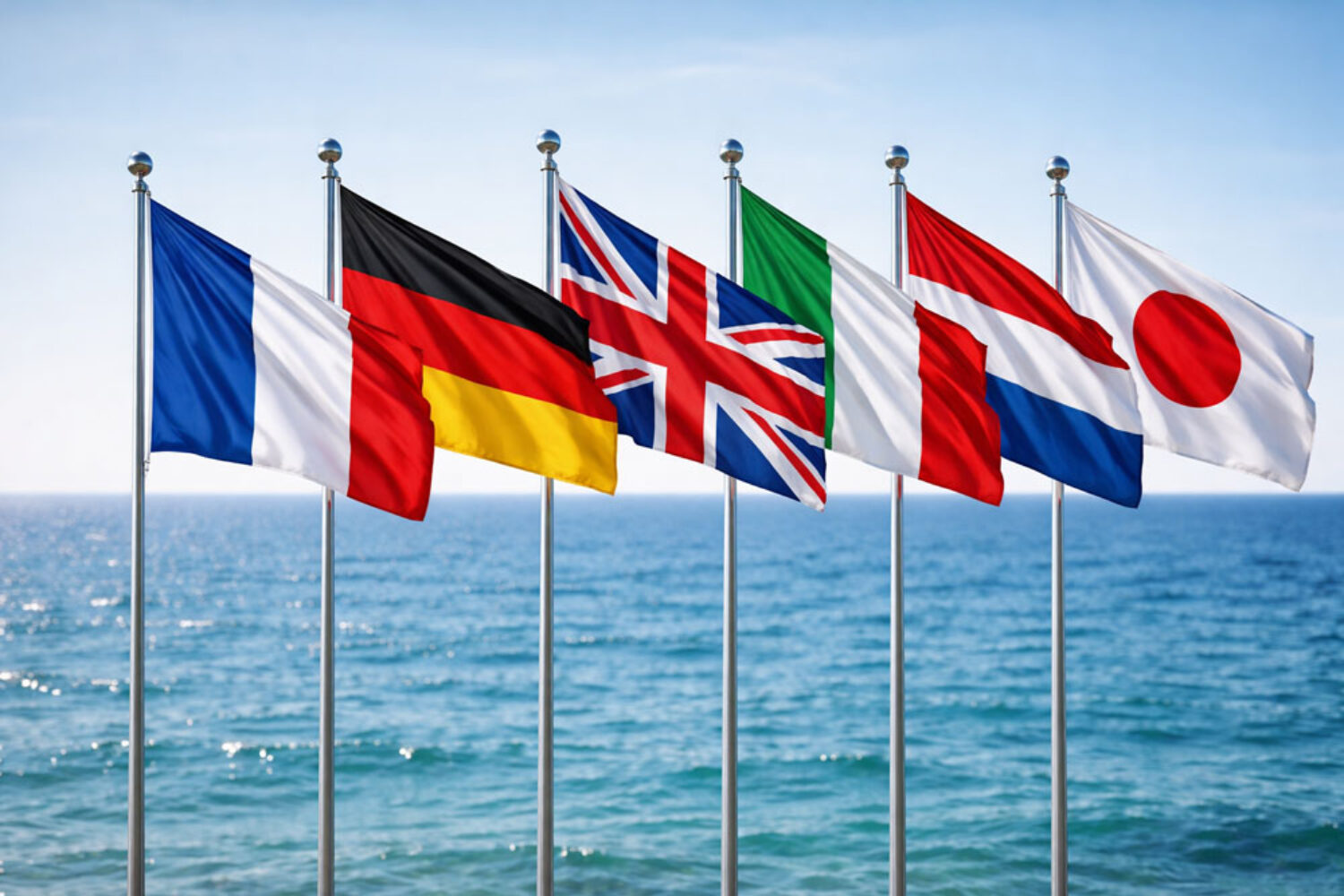
The Iran war has now been going on for more than 20 days. Since then, numerous ships have been stuck in the Persian Gulf – with devastating consequences not only for the safety of the crews, but also for the global economy. Against this backdrop, the heads of state and government of France, Germany, the United Kingdom, Italy, the Netherlands and Japan have issued a joint statement on the situation in the Strait of Hormuz.
Together they strongly condemn Iran’s recent attacks on unarmed merchant vessels in the Gulf, attacks on civilian infrastructure including oil and gas facilities and the de facto closure of the Strait of Hormuz by Iranian forces. At the same time, they express their deep concern about the escalating conflict. “We call on Iran to immediately cease its threatening gestures, mine-laying, drone and missile attacks and other attempts to block the Strait to commercial shipping and to comply with UN Security Council Resolution 2817,” the statement reads.
Freedom of navigation is a fundamental principle of international law, which is also enshrined in the United Nations Convention on the Law of the Sea. The effects of Iran’s actions would be felt by people in all parts of the world, especially the most vulnerable population groups.
In line with Resolution 2817, the Heads of Government emphasize that such interference in international shipping, as well as the disruption of global energy supply chains, constitutes a threat to international peace and security. In this context, they call for an immediate and comprehensive moratorium on attacks on civilian infrastructure, including oil and gas installations.
They continue to express their willingness to contribute to appropriate efforts to ensure safe passage through the Straits and welcome the commitment of states to undertake preparatory planning.
At the same time, they welcome the decision of the International Energy Agency to approve a coordinated release of strategic oil reserves. In addition, they want to take further measures to stabilize energy markets, including by working with certain producing countries to increase production, according to the statement.
They also want to work to support the most affected countries, including through the United Nations and International Financial Institutions (IFIs).
Maritime safety and freedom of navigation would benefit all countries. “We call on all states to respect international law and uphold the fundamental principles of global prosperity and international security,” it concludes.