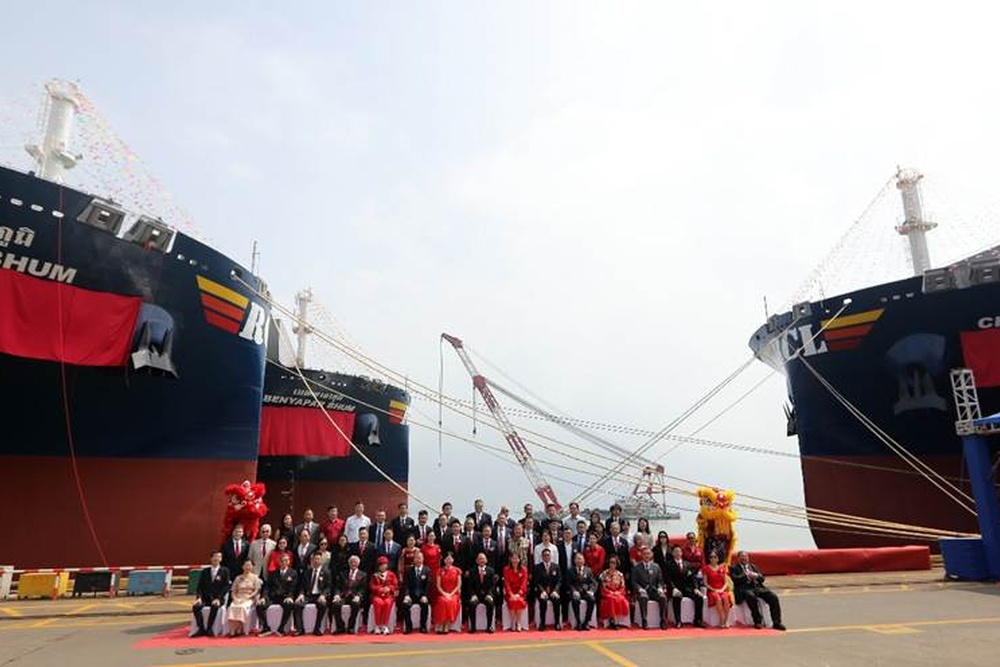





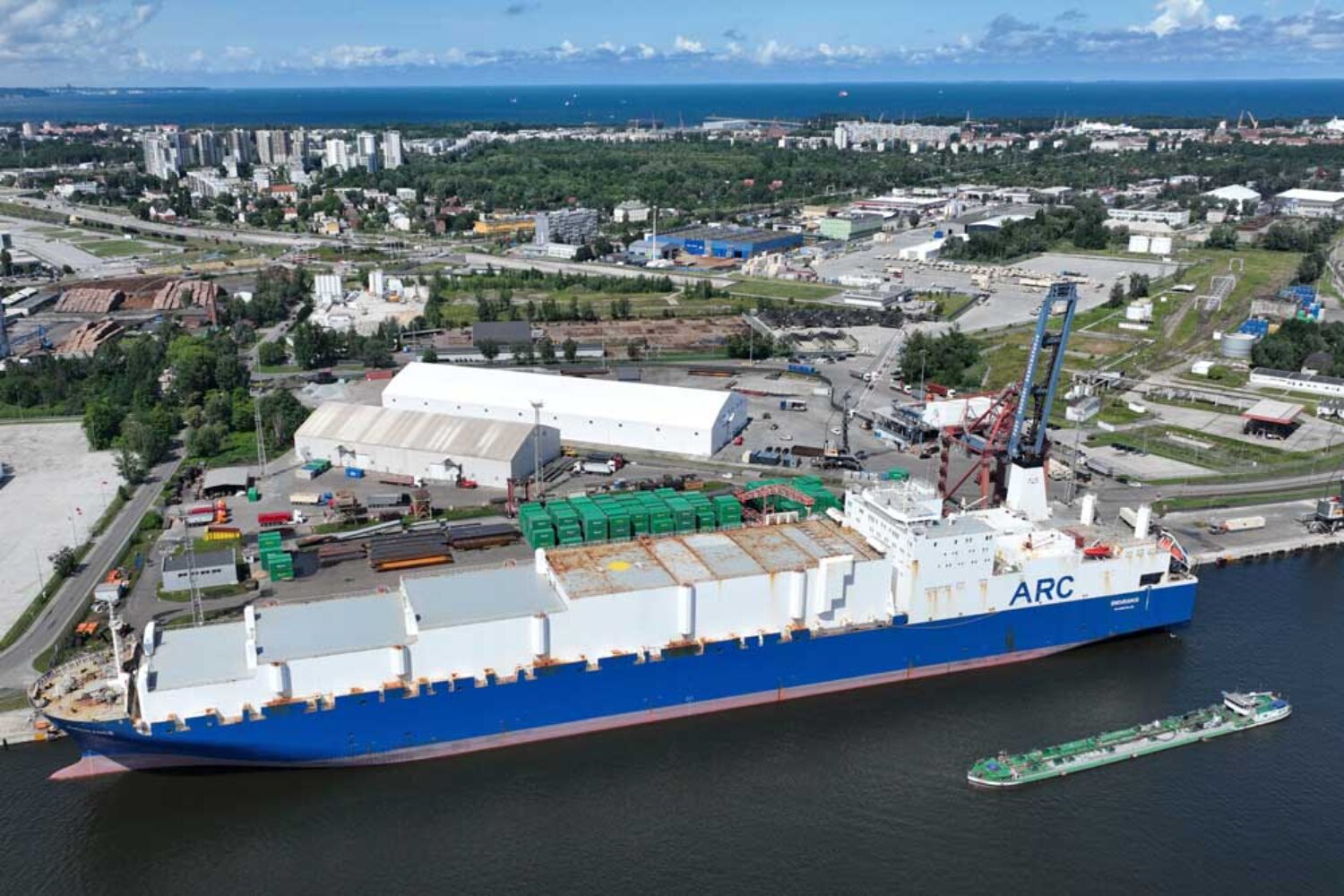
The first phase of the Gdańsk Agro Terminal (GAT) has been completed at the Port of Gdańsk. The aim is, on the one hand, to boost the country’s export potential and, on the other, to strengthen food security.
The new grain terminal is set to significantly increase the port’s handling and storage capacity, thereby meeting the growing demands of the agricultural and food markets. The project is divided into two construction phases. The second phase, which involves the construction of silos and the further expansion of the infrastructure, is due to be completed by 2029.
“We are commissioning another strategic investment that not only boosts Poland’s export potential but, above all, strengthens our food security. Today, modern ports no longer stand solely for the economy and energy, but also for military security and food security – and it is precisely in these areas that we are currently investing record sums,” explained Arkadiusz Marchewka, State Secretary for Infrastructure, at the opening ceremony.
GAT capacity set to rise to 150,000 tonnes
The first phase of construction involved the building of a flat-storage facility covering an area of around 6,500 m² and with a volume of more than 93,000 m³. The storage capacity is 30,000 tonnes, and the handling capacity is 500,000 tonnes per year. The terminal can handle up to 120 lorries a day and achieves a daily handling capacity of 8,000 tonnes.
The second phase of the project involves the construction of 24 flat-bottomed silos. These will be connected to a highly automated handling system and will be able to serve ships as well as rail and road transport. Once the second phase is complete, the GAT’s total storage capacity will rise to 150,000 tonnes, with handling capacity then set to reach 3 million tonnes per year.
Grain handling on the rise
The GAT is part of a broader strategy to boost the competitiveness of Polish agriculture on international markets. According to the figures, Poland has for years been producing significantly more grain than is consumed domestically – the annual harvest stands at around 35 to 36 million tonnes, whilst domestic demand amounts to only 25 to 26 million tonnes.
According to the Port Authority, the terminal is set to be able to handle not only grain but also meal and pellets in future, thereby increasing operational flexibility.
In 2025, a total of 2.5 million tonnes of agricultural products were handled. In the first half of 2026, the volume rose to 1.3 million tonnes, which was 13.3 per cent higher than the same period the previous year .