




The recent spate of attacks on merchant ships is having an impact on traffic through the Strait of Hormuz. The number of vessels passing through has fallen to its lowest level in more than two months.
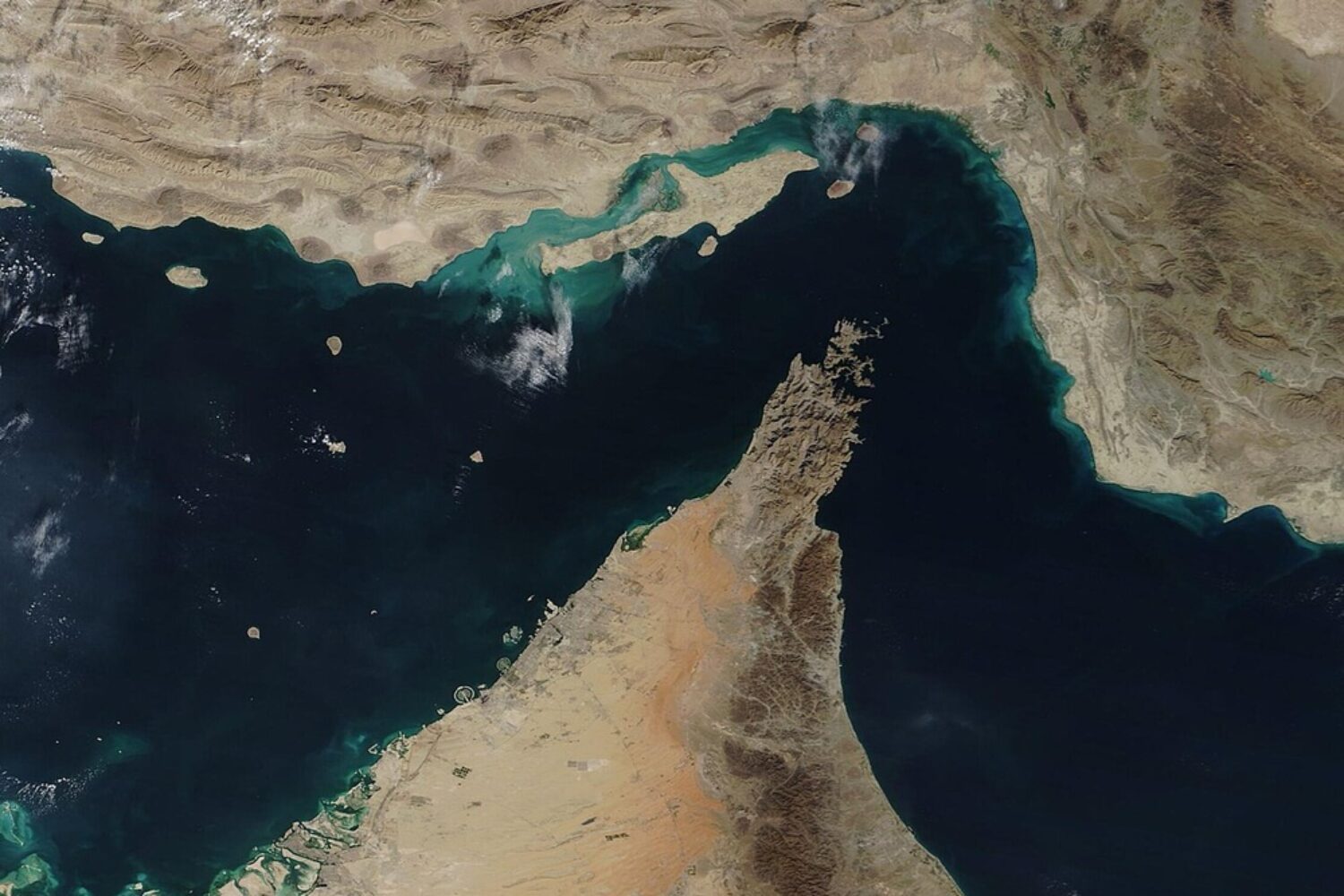
Shipping traffic through the Strait of Hormuz has fallen significantly following a series of attacks on tankers. According to the shipping data provider Kpler, only seven cargo ships passed through the strategically important strait between the Persian Gulf and the Gulf of Oman on Tuesday. This was the lowest figure since 23 July.
On Wednesday, the number of recorded passages rose slightly again to ten ships. However, this figure remained well below the more than 20 daily passages recorded as recently as Sunday and Monday. Data from the financial services provider LSEG show eight passages on Tuesday, including five oil tankers and one LNG carrier.
The volumes of crude oil transported have also fallen. According to calculations by Kpler, the flow of crude oil through the strait fell by 27 per cent from the peak reached during the war the previous week to at least 10.1 million barrels per day. This brings the transport volume back to the average level seen in September and represents just 74 per cent of pre-war levels.
Alternative export routes offset the decline
Despite the lower traffic through the Strait of Hormuz, total crude oil exports from the Middle East remain comparatively stable. According to Kpler, exports via terminals on the coast of the Gulf of Oman and the Red Sea rose to 6.7 million barrels per day. This is more than double the pre-war level.
This enables producers to offset a significant proportion of the decline in shipments through the strait. Overall, according to the analysts, crude oil exports from the Middle East have recently returned to roughly the same level as before the war began on 28 February.
Changes to transport chains and transhipments between tankers are playing a key role in this. In the Gulf of Oman in particular, crude oil cargoes are being transferred between ships via so-called ship-to-ship (STS) transfers. However, the latest data show that these shipments are also being affected by the tense security situation.
Wave of attacks weighs on merchant shipping
The decline in traffic is due to a renewed escalation in the security situation: according to maritime security sources, the number of reported attacks and security-related incidents involving tankers in the Strait of Hormuz last week reached the highest weekly figure since the start of the war.
As recently as Wednesday, the UK security agency United Kingdom Maritime Trade Operations ( UKMTO) reported that a tanker had been struck by projectiles around 94 km north of the Qatari city of Madinat ash Shamal. There are said to have been injuries.
Before the war began, around 125 large merchant vessels passed through the strait every day, including oil and gas tankers, bulk carriers and container ships. Around a fifth of the world’s crude oil and LNG supplies were transported via this route.
However, the current traffic data does not reflect all ship movements. Some ships deactivate their Automatic Identification Systems (AIS) whilst passing through the strait so as not to make their position publicly visible. The actual volumes transported and the number of transits may therefore be higher than the figures initially recorded.