



The closure of the Strait of Hormuz has caused demand for coal imports to rise again. The sanctions against Russia have also played their part. This means robust capacity utilization for bulk shipping.
The current bottleneck in natural gas and oil supplies in the midst of the Iran war is supporting the seaborne coal market. According to French shipbroker BRS, European importers are increasingly sourcing coal from Australia and Indonesia.
A major limiting factor for the switch from gas to coal – compared to the energy crisis of 2022/23 – is that a significant amount of coal-fired generation capacity has been permanently shut down over the past decade, particularly in Europe.
In 2022, sanctions against Russian energy exports following the invasion of Ukraine led to a surge in LNG prices across the EU. This triggered a temporary return to coal-fired power generation, boosting demand for coal.
EU states hoard coal
The Italian government has already taken action: With a view to 2026, it wants to rely more heavily on coal again in future. Several industrial companies are currently extending the operating times and capacity utilization of coal-fired power plants that were actually about to be shut down – a reaction to the persistently high gas costs and the continuing uncertainties regarding supply.
Currently, the EU Emissions Trading System (EU ETS) comprises a comprehensive policy framework that includes more than 55 individual measures and aims to reduce emissions in various sectors, particularly electricity generation.
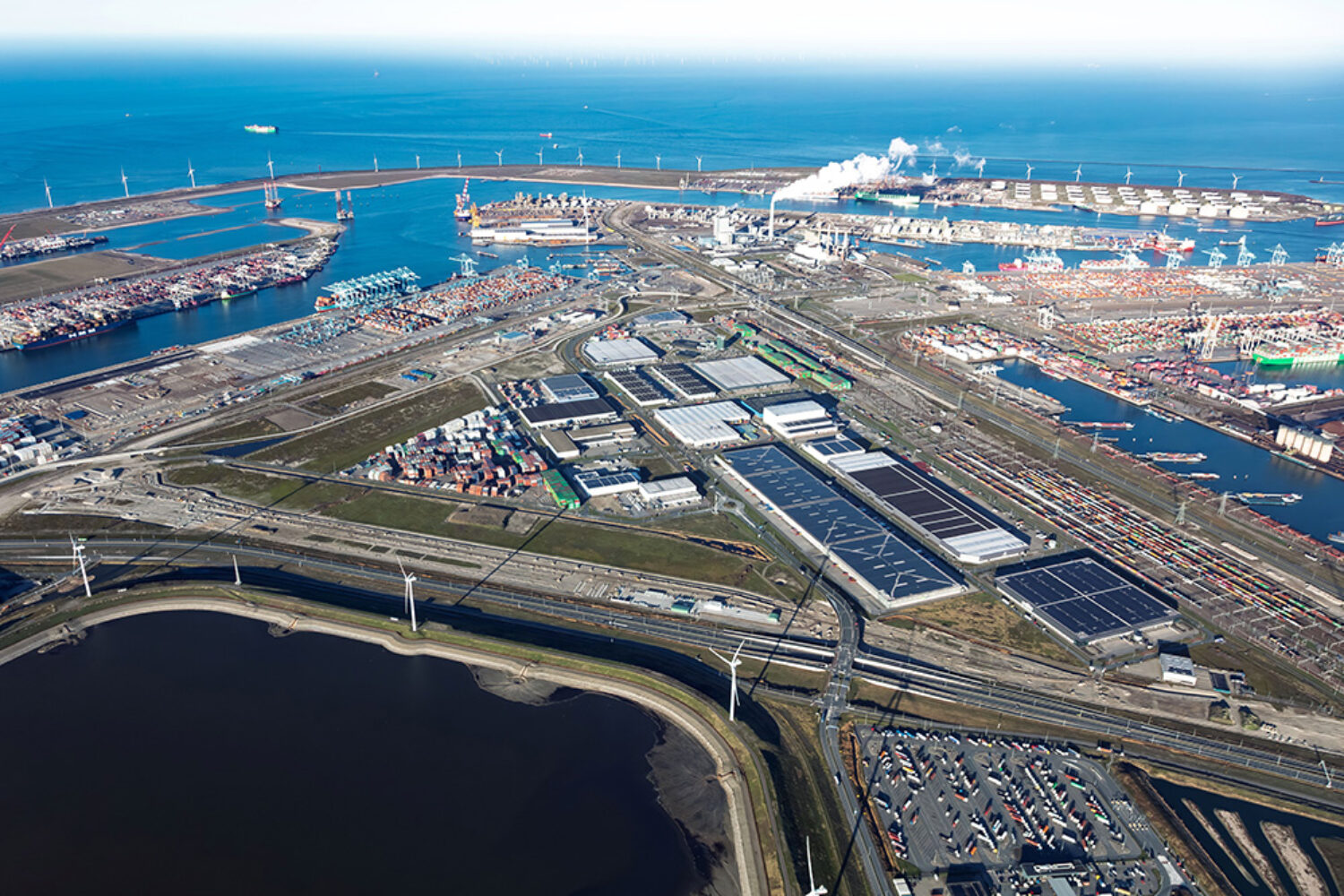
For this reason, the EU is actively rebuilding its coal stocks to strengthen energy security and prevent potential supply disruptions. According to data from AXSMarine, cumulative seaborne imports of thermal coal into the EU since the start of the Iran war totaled 5.27 million tonnes. The majority of these volumes were unloaded at the ARAG hub (Antwerp – Rotterdam – Amsterdam – Ghent) and distributed from there to the Central European markets.
High demand for bulkers
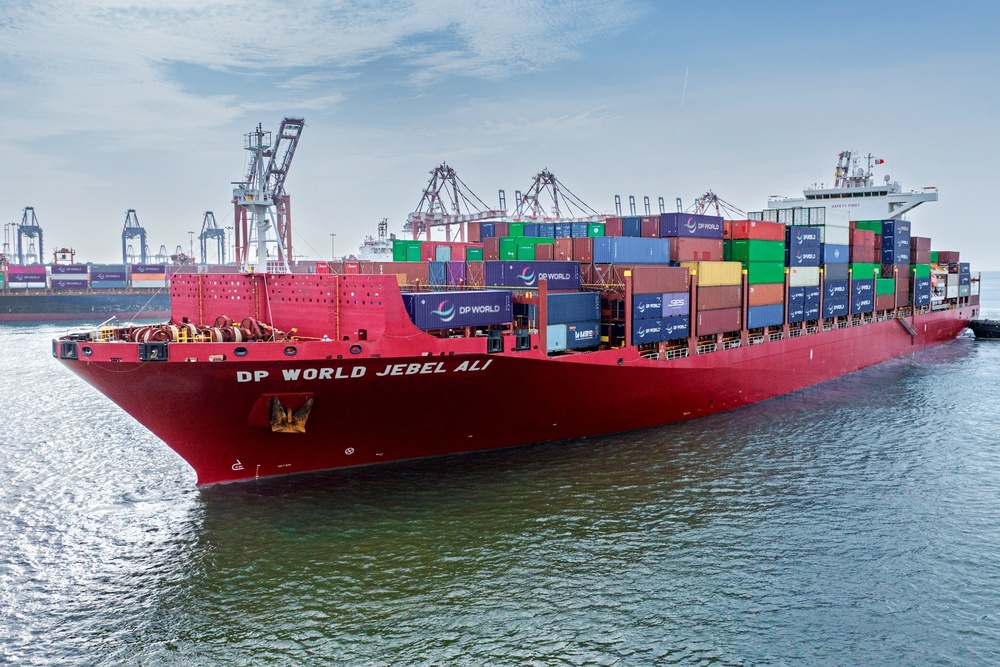
This trend is reflected above all in the demand for ships in the Kamsarmax/Panamax and Capesize classes. This demand continues to be largely determined by iron ore and coal; these two goods account for around 40% and 37% of the total transported volume respectively.
According to Greek broker Intermodal, rates for one-year time charter contracts for Capesize vessels were around $34,500 per day on May 6 – an increase from the 2025 average of $25,238. Rates for one-year Panamax time charters are around $16,500 per day, compared to an average of $13,226 in 2025.
BRS commented: “Higher coal imports into Europe have supported the utilization of Kamsarmax and Capesize vessels – particularly as energy security concerns and LNG price volatility encourage temporary switches to coal as a fuel source.”
In Asia, demand for seaborne coal remained robust, with Indonesia’s easing of production-related restrictions under the RKAB process improving export availability. While policy easing measures – flanked by the imposition of taxes – also led to upward revisions in coal reference prices (with prices rising to around $103.43/t depending on calorific value), the market continues to be primarily supported by structural coal demand from China and India.