



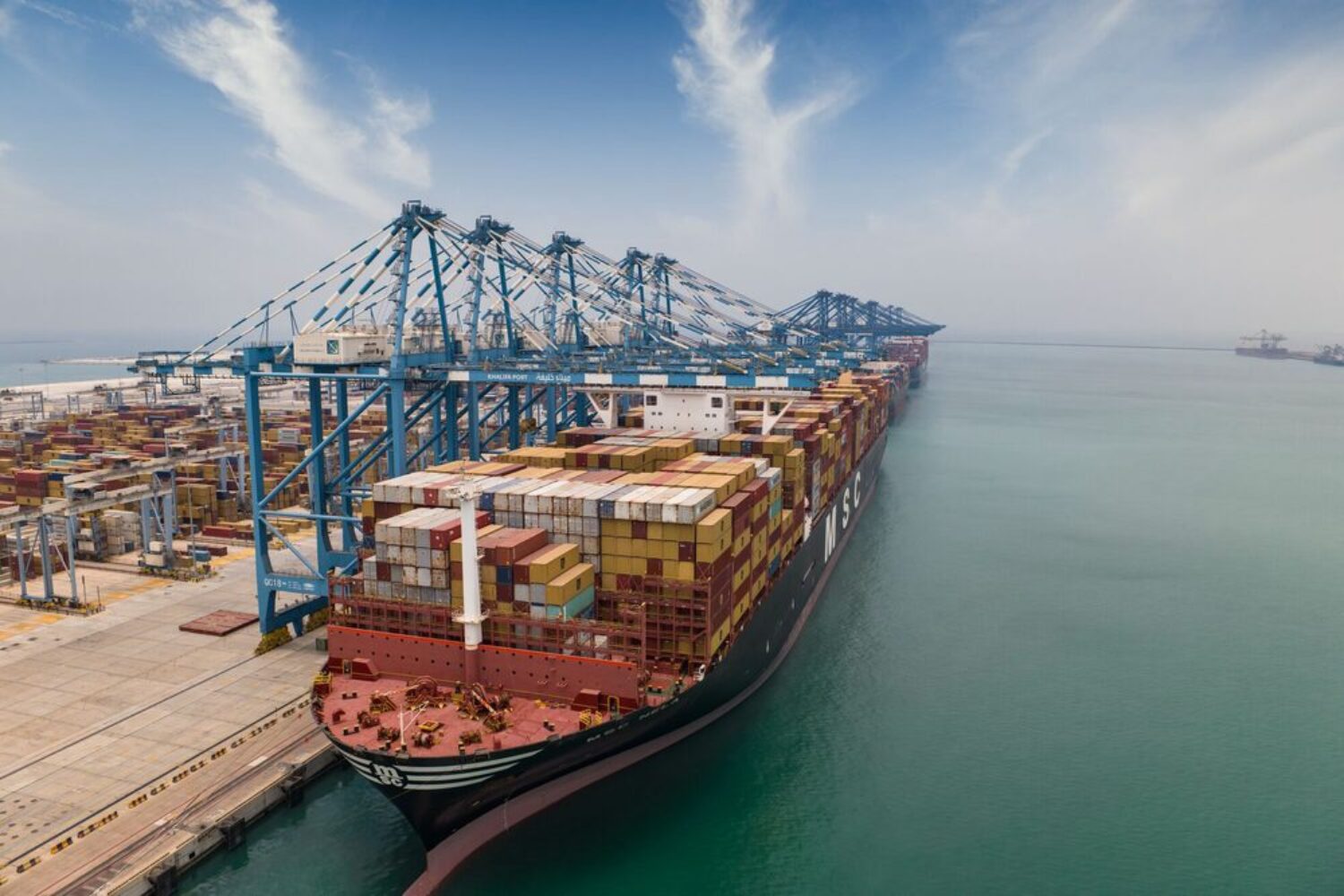
AD Ports has significantly increased its turnover and profit in the second quarter. Higher freight rates in the shipping business were the main driver of the results, whilst the disruptions in the Strait of Hormuz weighed on the port business.
The Abu Dhabi-based port and logistics company saw a significant increase in turnover and profit in the second quarter of 2026. The shipping business, in particular, benefited from higher freight rates and additional capacity. At the same time, the ongoing disruptions in the Strait of Hormuz weighed on the port business in the United Arab Emirates (UAE).
The Group’s turnover rose by 47% compared with the same quarter last year to AED 7.08 billion. EBITDA rose by 49% to AED 1.74 billion, whilst net profit increased by 88% to AED 836 million. However, the sale of assets also contributed to the profit.
‘Maritime & Shipping’ shows strong performance
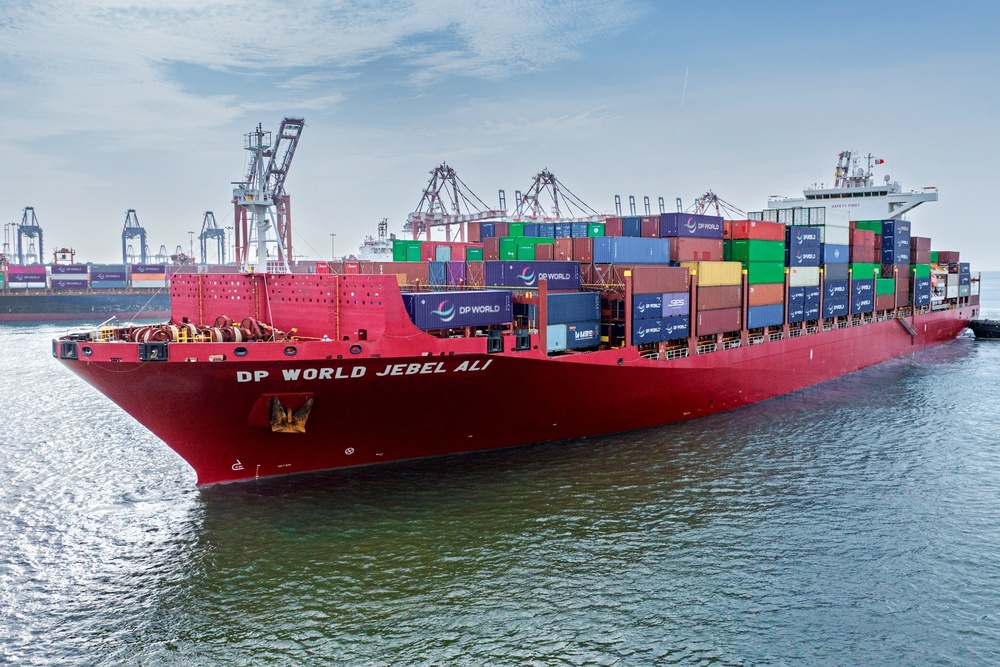
The “Maritime & Shipping” division saw particularly strong growth. Its revenue rose by 62% to AED 3.82 billion, whilst EBITDA increased by 79% to AED 1.03 billion. This meant that 53 per cent of the Group’s revenue was attributable to this business segment.
In container feeder shipping, volume fell by 11% to 740,000 TEU. However, according to the company, this decline was more than offset by significantly higher freight rates. On routes between the Arabian Gulf and the Indian subcontinent, average rates were 96% higher than the previous year’s level. In the Red Sea, the increase was 37%.
The fleet was also significantly expanded. At the end of the second quarter, AD Ports had 72 bulk, multipurpose and RoRo vessels. A year earlier, the figure stood at 36 vessels.
Alternative routes due to Hormuz disruptions
At the same time, the traffic disruptions in the Strait of Hormuz led to significant re-routing within the network. AD Ports diverted cargo and feeder services via, amongst others, the Fujairah Terminals and Khor Fakkan, which are located outside the strait on the Gulf of Oman.
The group deployed a total of 27 container ships and five bulk carriers on these alternative routes. These connect ports in India, Pakistan and Oman, as well as ports on the Red Sea and in the northern Arabian Gulf, amongst others. In addition, land corridors were established through the UAE, 400 additional lorries were deployed and rail connections with Etihad Rail were expanded.
The impact of regional disruptions on port operations was significantly more severe. The Group’s container throughput in the UAE fell by 65% to 573,000 TEU in the second quarter. Volumes of bulk and general cargo declined by 67% to 3.1 million tonnes. Revenue from the ports division fell accordingly by 17% to AED 609 million.
Group on course for expansion
Meanwhile, AD Ports has recently continued its international expansion. Among other things, it plans to acquire the Brazilian agricultural bulk terminal operator Corredor Logística e Infraestrutura. The Group also announced the acquisition of the German logistics service provider MBS Logistics for an enterprise value of €70 million. In the shipping sector, AD Ports also increased its stake in Global Feeder Shipping to 81%. Furthermore, Safeen Drydocks, a joint venture between AD Ports and Premier Marine Engineering Services, secured two shipbuilding contracts with a total value equivalent to $354 million.