



The shipping industry has invested heavily in improving engine technology, with much of the focus on fuels, emissions and combustion efficiency. According to Wärtsilä, less attention has been paid to the role of the rudder in overall vessel efficiency.
Conventional rudders are positioned behind the propeller and steer by redirecting the propeller slipstream. While this arrangement provides steering force, it can also create additional drag. Wärtsilä argues that propulsion and steering should be considered as an integrated system rather than as separate design elements.
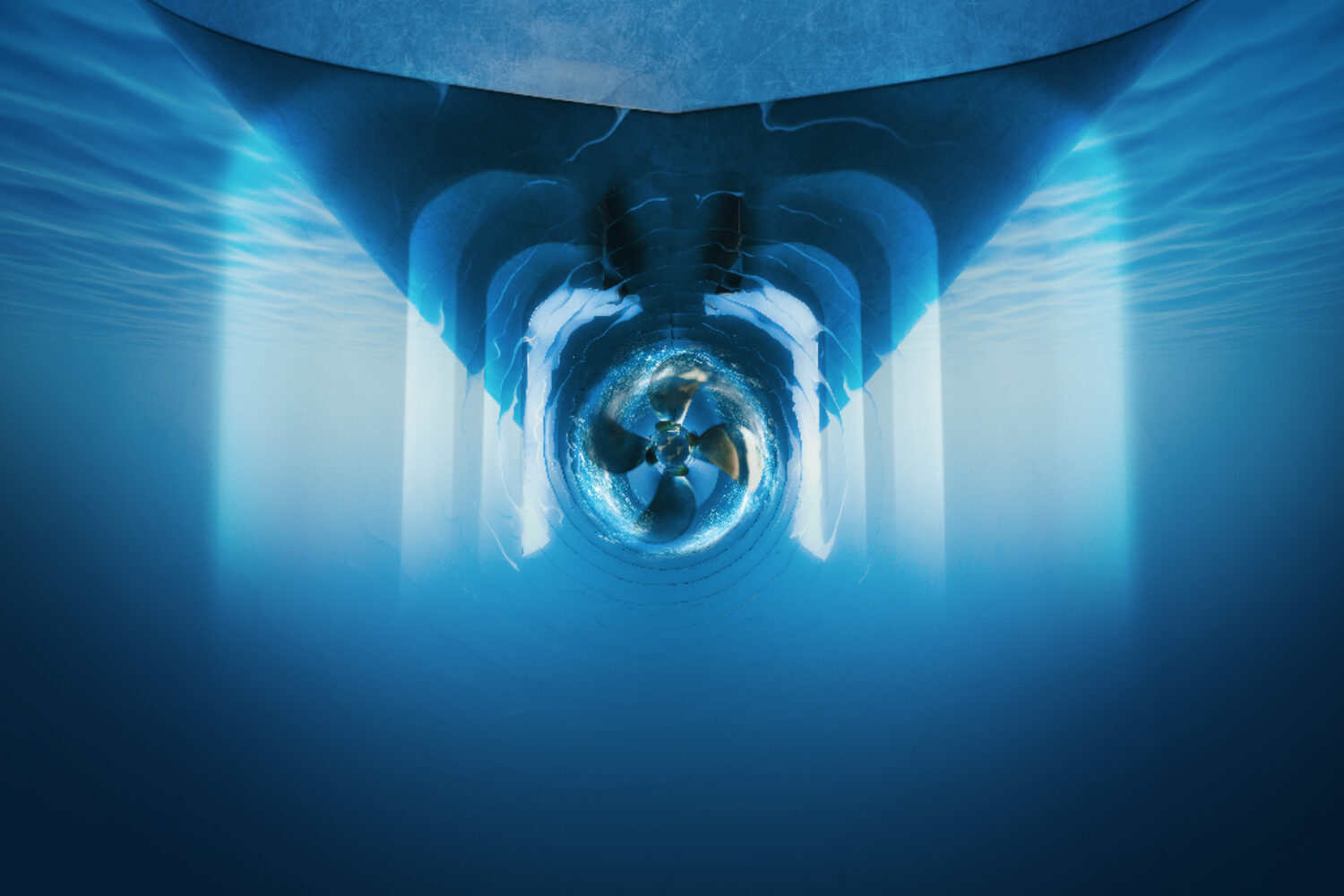
This approach is reflected in the company’s Gate Rudder concept, which positions twin rudder foils on either side of the propeller instead of behind it. According to Wärtsilä, this enables propulsion and steering to work more efficiently together. During normal operation, the foils contribute to propulsion, while during manoeuvring they redirect thrust laterally, helping vessels maintain speed more effectively through turns.
The company also points to findings from its At the Helm report, published earlier this year, which found that 42% of maritime leaders are struggling to balance investment costs with operational and compliance objectives, while sustainable fuels are expected to cost three to five times more than today’s fossil fuels by 2030. In this context, Wärtsilä sees efficiency improvements integrated into vessel design as an important means of reducing fuel consumption over the vessel’s lifetime.
According to Wärtsilä, vessels equipped with the Gate Rudder have reported fuel savings of up to 20% compared with conventional rudder arrangements, together with improvements in manoeuvrability, noise and vibration.
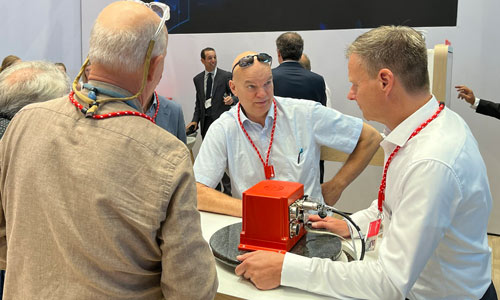
At SMM 2026, visitors will be able to explore the Gate Rudder technology through a simulator demonstrating the concept.
Hall A3, Booth 108