


It began with too little water. Three years ago, when the Panama Canal slowed to a trickle after historic droughts, the world suddenly discovered how vulnerable global trade had become. Then came attacks in the Red Sea and the effective loss of the Suez route. Today, the Strait of Hormuz reminds us once again that a single maritime chokepoint can send shockwaves through the global economy. Three very different crises. Yet always the same lesson. The world only seems to notices shipping when it stops.
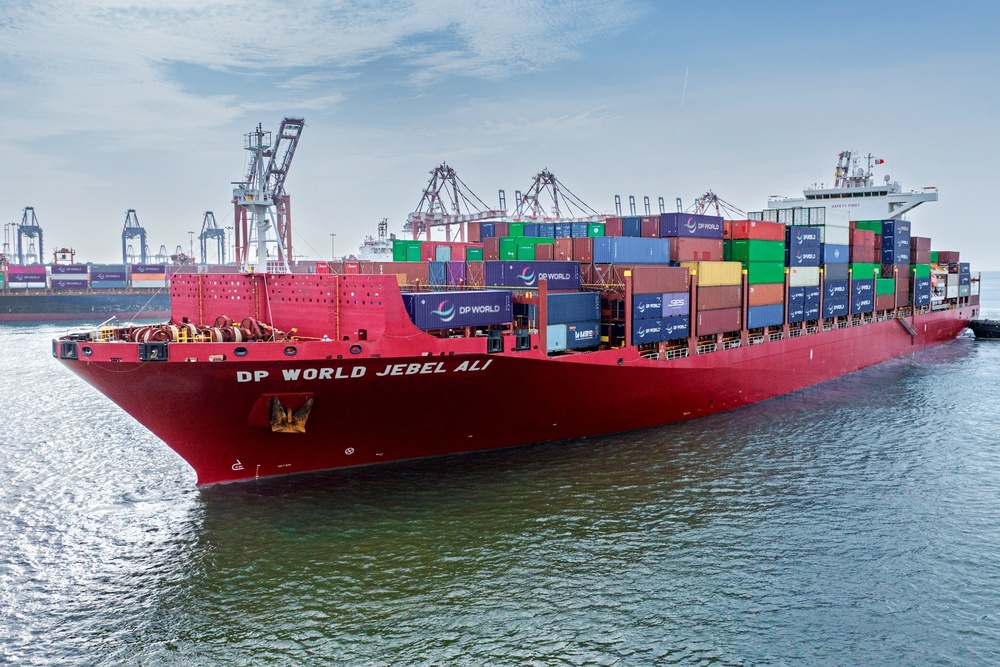
For those of us in shipping, these events did not fundamentally change our business. They revealed it. They reminded governments, industries and consumers of something the maritime community has always known: globalisation does not run in the cloud. It sails on ships. Every day, merchant vessels quietly transport around ninety percent of world trade. They deliver energy, food, medicines, industrial components and raw materials.They keep factories running, supermarket shelves stocked and economies competitive. Yet shipping rarely makes headlines—until something interrupts it. That is precisely why SMM 2026 comes at such an important moment.
This exhibition is no longer simply about engines, fuels or digital technologies. It has become the place where the global maritime community discusses a far bigger question: how do we preserve free trade, strengthen resilience and accelerate innovation in an increasingly fragmented world? Shipping itself is changing faster than at any point in a generation. The industry is simultaneously investing billions in climate-neutral technologies, embracing digital transformation and adapting to rapidly shifting geopolitical realities. Every investment decision today is also a strategic decision. Which fuel? Which technology? Which trade routes? Which regulatory framework? And ultimately: where will Europe and Germany remain competitive?
For decades, efficiency was shipping’s defining benchmark. Today, resilience has become equally valuable. Shipping is no longer simply a facilitator of global trade. It has become part of our strategic infrastructure.
Yet there is reason for confidence. Shipping has always adapted. Political systems have changed. Trade routes have shifted. Technologies have evolved. Through every transformation, one principle remained constant: maritime trade succeeds through openness, international cooperation and the willingness to innovate.
Few places embody that spirit better than Hamburg. For one week, the world’s maritime decision-makers gather here – not simply to discuss the future, but to shape it. The conversations that begin at SMM will influence investment, technology and maritime policy long after the exhibition closes.
I wish all exhibitors, delegates and visitors an inspiring and successful SMM 2026. May this week reaffirm our shared determination to keep global trade open, European shipping competitive and the maritime industry at the forefront of innovation.