




Will we see nuclear-powered ships (once again) in the future? According to experts, this depends less on maritime technology than on politics and factors on land. One of the US’s most important energy ports now intends to take a closer look at the issue.
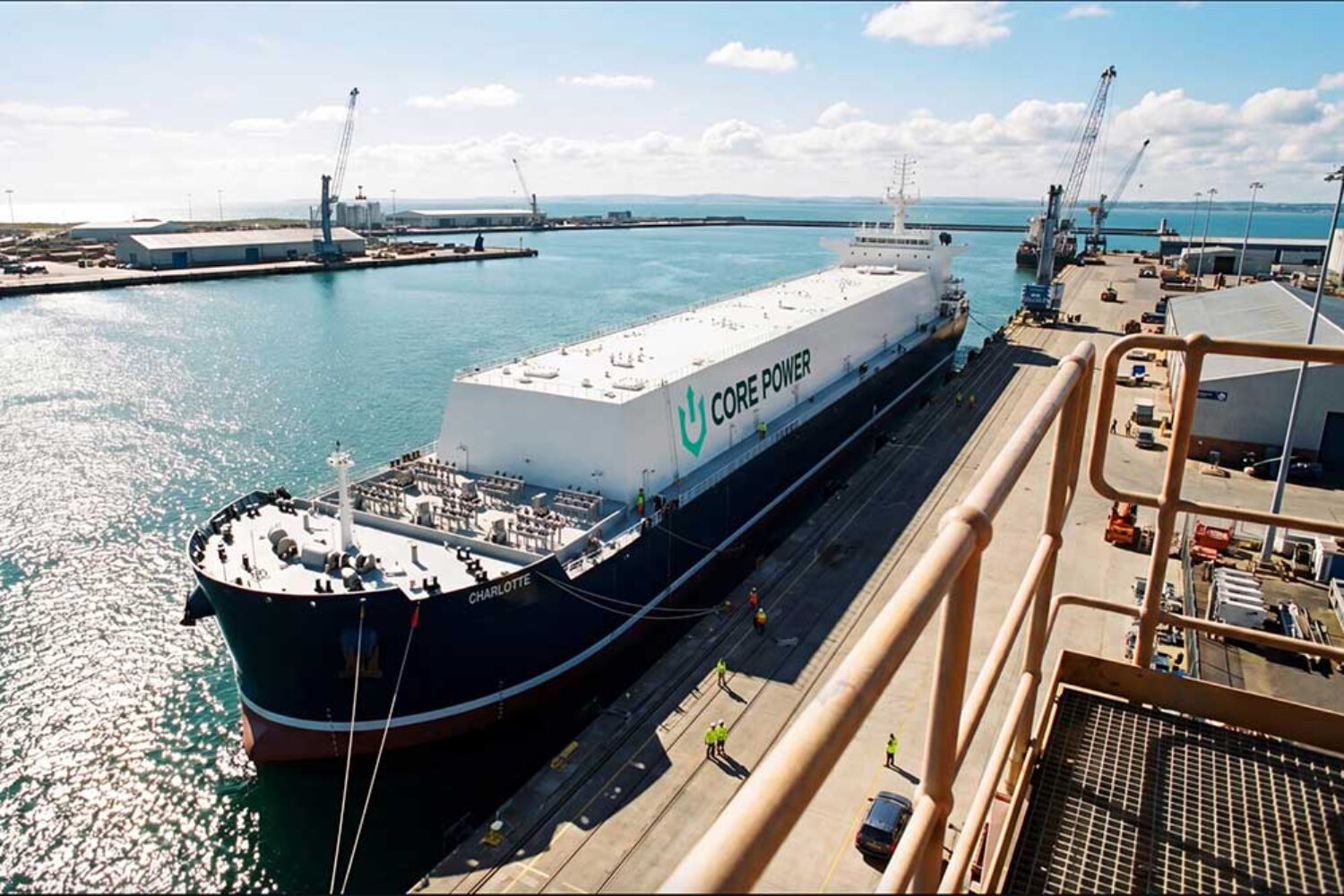
The Port Authority of Corpus Christi in Texas has launched a partnership with the company Core Power. Core Power has for some time been advocating for floating nuclear energy storage facilities and nuclear propulsion systems in shipping. Together with the US port – which is regarded as one of the country’s most important hubs for LNG transport – a study will now be carried out to examine the potential for maritime nuclear technology in Corpus Christi.
In the debate – which has at times been rather heated – regarding the potential of nuclear technology at sea, the propulsion of ships itself has not been the sole major question mark for some time now. The outstanding issues include, above all, international regulations, insurance and liability, requirements for ports and shipyards, and the classification of nuclear-powered ships. Regulatory challenges that need to be discussed include, amongst other things, navigation through different maritime zones, permits for territorial waters, strategic passages, port calls, maintenance, decommissioning, waste disposal and recycling.
The new study aims to examine in detail how a major US energy and trade hub can prepare for two distinct future roles: as a potential site for a floating nuclear power plant (FNPP) that supplies the port and the region with base-load energy, and as a port of call for nuclear-powered merchant vessels.
For Core Power, the new study serves to clarify the practical requirements for both aspects of port operations. Floating nuclear power plants (FNPPs) require suitable sites, grid connections, customers, regulatory and environmental approval processes, operational concepts, and long-term service and support. Nuclear-powered merchant ships require safe and predictable procedures for transit, berthing and regular port operations. “The Port of Corpus Christi offers the opportunity to assess both approaches separately whilst simultaneously examining the associated common issues relating to infrastructure, safety, regulation and economic viability,” the statement explains.
Corpus Christi is assessing ‘nuclear-powered ships’ with the Maritime Administration (MARAD)
The port authority is going one step further and intends to conclude a cooperation agreement with the Maritime Administration of the US Department of Transportation (MARAD). The aim is to examine the technical, regulatory and operational requirements under which US seaports can support the potential deployment of floating nuclear power plants and provide safe ports of call for civilian, nuclear-powered ships.
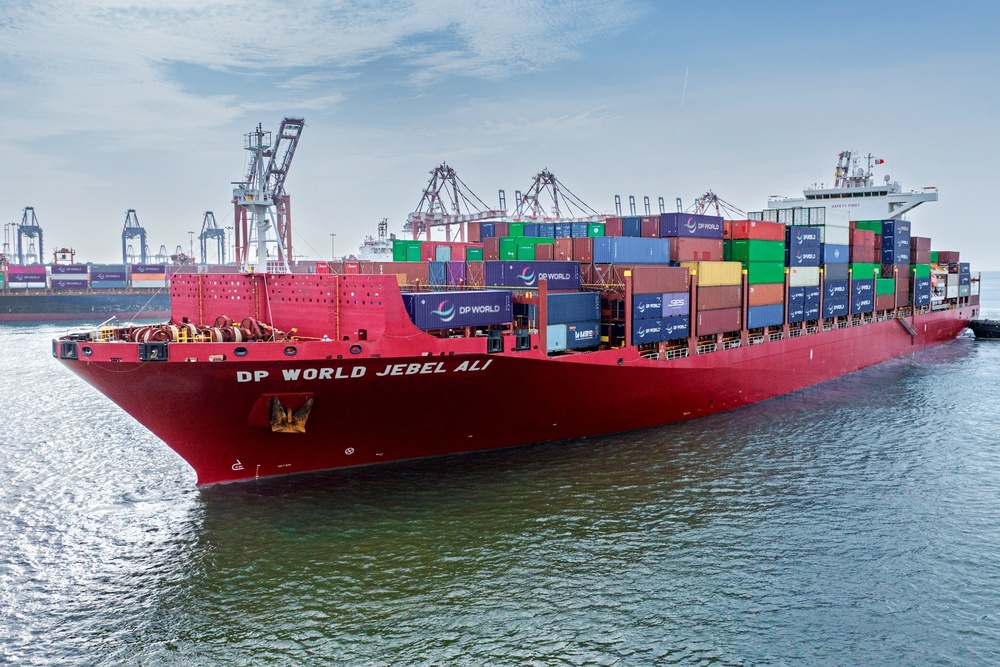
As part of the ‘Propulsion’ workstream, the parties intend to investigate the requirements that must be met to enable the port to safely and routinely handle nuclear-powered merchant ships in the future. The work is to include, amongst other things, a reference vessel and the specifications of the power system, passage through and berthing, safety and security whilst in port, cargo interfaces, emergency preparedness, liability issues, classification, and the roles of the relevant US and international maritime and nuclear regulatory authorities.
Jeff Pollack, Chief Strategy and Innovation Officer at the Port of Corpus Christi Authority, said: “As North America’s leading energy hub, the Port of Corpus Christi is committed to maintaining its leading position in the global energy market – even as this market expands and evolves. This collaboration will help us understand the technical, environmental, operational and economic requirements that must be met in order to consider the deployment of floating nuclear power plants and future calls by nuclear-powered merchant ships in the port’s real-world environment.”