



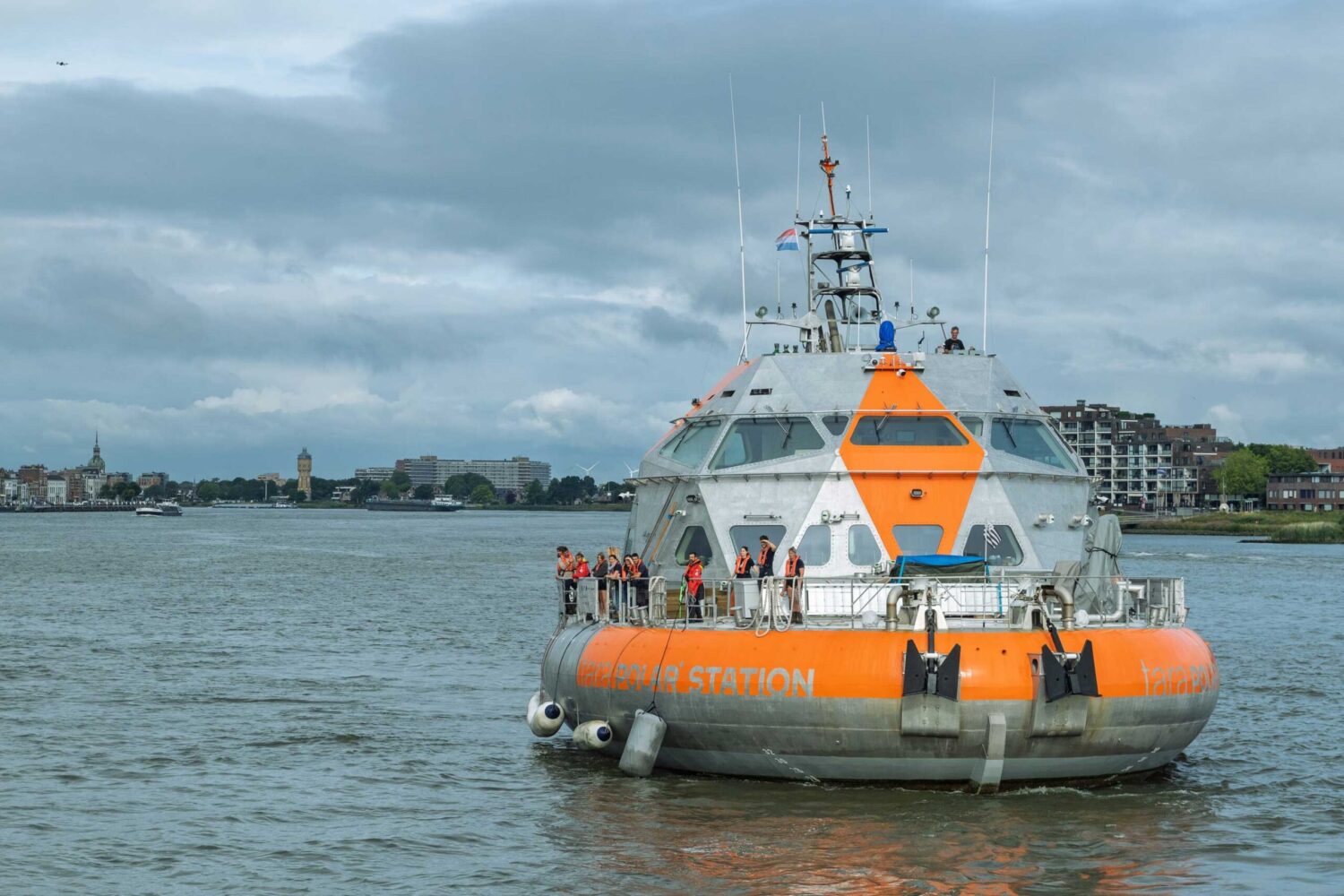
The French foundation Tara Ocean has embarked on an 18-month expedition to the Arctic to conduct research into climate change. The floating laboratory, the “Tara Polar Station”, is powered by renewable diesel.
The ‘Polaris 1’ expedition marks the start of a programme involving 30 research institutes, including Germany’s Alfred Wegener Institute. Among other things, it involves monitoring climate change and investigating its effects on the ocean. This is the first mission for the “Tara Polar Station”, which will spend a total of 18 months at sea between 2026 and 2027. The programme is set to run for 20 years in total; during this time, the station will undertake further missions.
The vessel is powered by diesel from renewable sources. The fuel is supplied by Neste, based in Helsinki. According to the company, its HVO brand “MY Renewable Diesel” meets EU sustainability standards and produces at least 50 per cent fewer emissions over its life cycle than conventional diesel. Around 90 per cent of the fuel used is for powering generators and heating, with the remainder used to propel the ship. The “Tara Polar Station” also utilises wind and solar energy.
Designed for renewable fuels
“We designed the ship’s energy systems from the outset to run on renewable diesel, as it burns efficiently and has a low carbon footprint,” said Romain Troublé, Managing Director of the Tara Ocean Foundation. “Neste is one of the leading producers of renewable diesel, and I am delighted that the company has decided to become a partner in this fantastic and important scientific project in the Arctic Ocean.”
The “Tara Polar Station” equipped with six laboratories and a comprehensive range of scientific equipment, is setting out on an expedition to conduct scientific research in the central Arctic Ocean, with the aim of studying the state of the ocean and its unique biodiversity. “This work is crucial for understanding, tracking and documenting changes and dynamics in the ocean and biodiversity – both over the course of a year and from year to year – as well as for informing decision-makers, based on scientific evidence, about the impacts of climate change,” the foundation announced.
The polar ocean is warming too quickly
The ocean acts as a crucial buffer against the effects of climate change. According to the United Nations, the ocean absorbs 30 per cent of all CO₂ emissions and stores 90 per cent of the excess heat caused by these emissions. The central Arctic Ocean plays a key role in global climate regulation – acting as a cooling system for the planet – but is at the same time one of the most prominent victims of the delayed and inadequate global efforts to reduce greenhouse gas emissions: According to the WWF, the Arctic Ocean is warming three to four times faster than the rest of the planet.
During the expedition, the “Tara Polar Station” will drift largely through the Arctic Ocean and will be trapped in sea ice for 90 per cent of the time. As there is no possibility of refuelling and temperatures are extremely low, the reliability of the fuel is “crucial” for the expedition, according to sources in Finland.
“Neste has a long history of supporting organisations that aim to reduce their dependence on fossil fuels and the associated greenhouse gas emissions through renewable fuels,” said Carl Nyberg, Senior Vice President Commercial, Renewable Products business unit at Neste. “However, this is the first time our fuel has been used to support a scientific expedition in the Arctic Ocean. We are proud to be working with the Tara Ocean Foundation and to support its important scientific work by supplying our renewable diesel, which delivers reliable performance even under the harshest Arctic conditions.”
Bunkering in the Netherlands
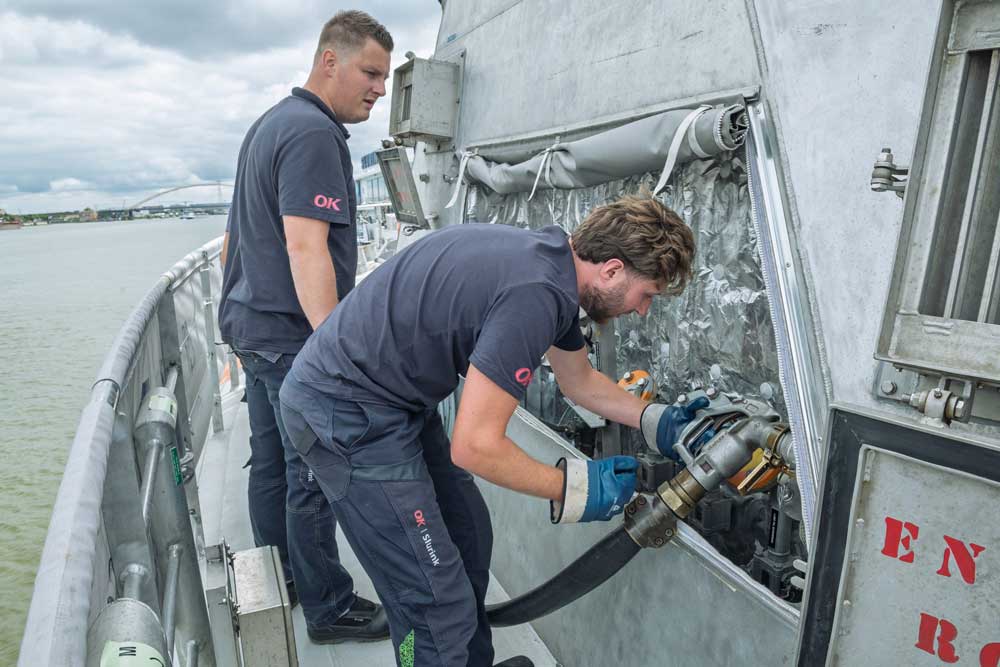
The “Tara Polar Station” set off on its journey to the Arctic on 19 July from its home port of Lorient in France. On 23 July, it made a stopover in Dordrecht, the Netherlands, to bunker approximately 90,000 litres of Neste HVO. After refuelling, the Tara Polar Station will continue its journey to Norway before heading on to the Arctic to begin the expedition in mid-August.