






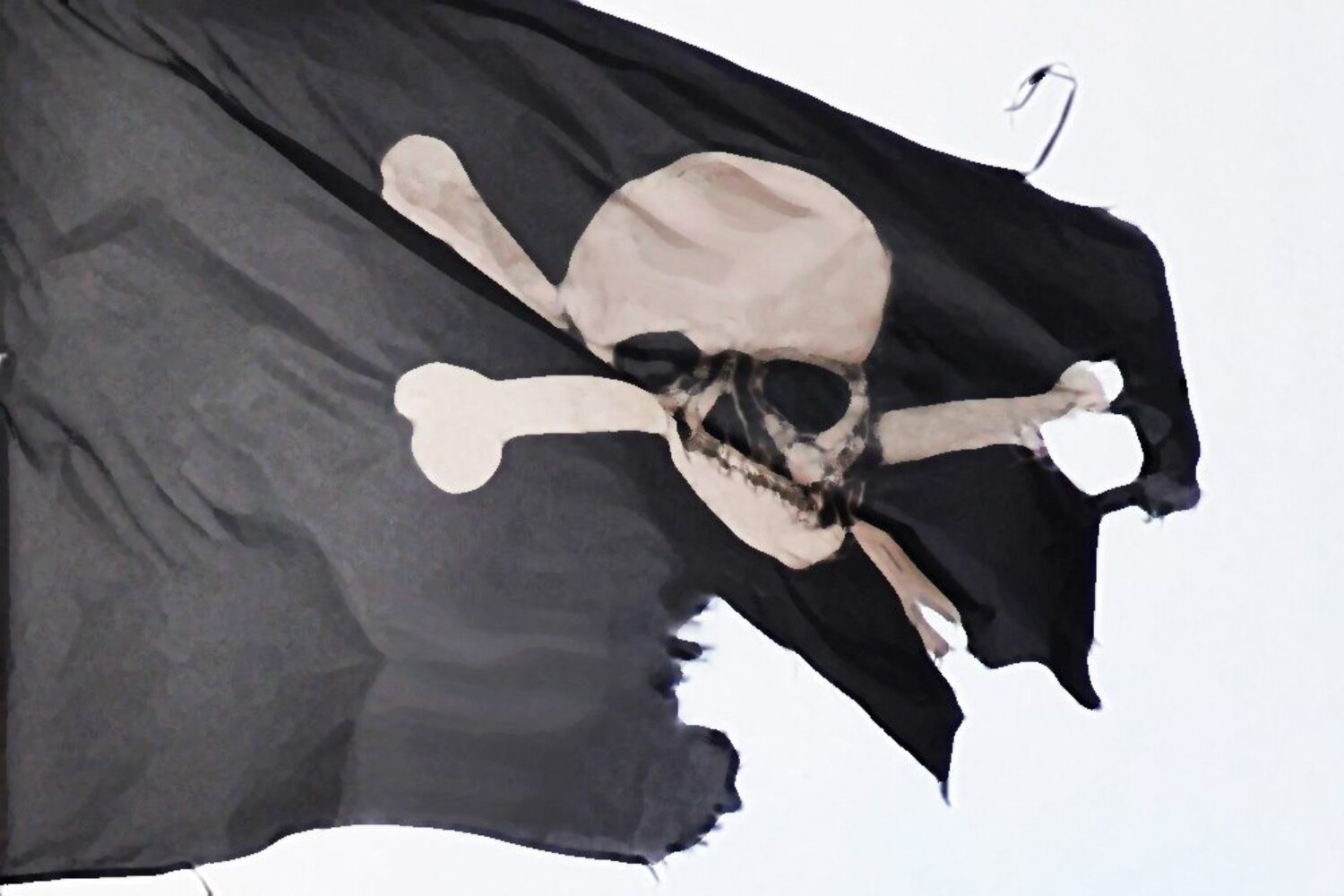
The number of pirate attacks is falling worldwide, with the exception of the Somali coast. 94 per cent of seafarers taken hostage are held by Somali pirates.
The number of reported cases of piracy and armed attacks on ships worldwide has fallen to its lowest level in more than three decades. This is according to the latest report from the International Maritime Bureau (IMB) of the International Chamber of Commerce (ICC).
According to the report, 51 incidents were recorded between January and September 2026 – less than half the number recorded during the same period last year. However, the renewed rise in piracy off the coast of Somalia shows that seafarers remain at risk.
In total, 36 ships were boarded, eight hijacked, four fired upon and three attempted boardings reported. In 86 per cent of cases, the perpetrators succeeded in gaining access on board. 105 crew members were directly affected, compared with 72 in the same period last year. Weapons were used in 53 per cent of the incidents.
Somalia remains a high-risk area
Somali pirates were responsible for eight ship hijackings and 94 per cent of all crew members taken hostage worldwide in the first nine months of the year. Most of the hijacked ships and their crews were subsequently released.
These incidents highlight that the danger persists. At the end of September, the authorities in Puntland reported that five crew members had been killed and five others injured before the Palau-flagged product tanker ‘Honour 25’ was released. The vessel had been hijacked on 21 April 2026. At the same time, numerous vessels that had implemented the current Best Management Practices (BMP) recommendations were able to successfully prevent hijackings.
Decline in key shipping regions
In the Gulf of Guinea, only two incidents were reported between January and September. In the Strait of Singapore, too, the number fell significantly, from 73 incidents last year to 13 this year. Nevertheless, the situation remains tense. In more than 70 per cent of the incidents, the perpetrators boarded the targeted vessels armed with firearms or knives.
Six incidents were recorded in the Indonesian archipelago, compared with nine in the same period last year. In the Philippines, nine ships at anchor were boarded; no incidents had been reported there the previous year.
“Safe sea lanes are a fundamental prerequisite for international trade. The decline in reported incidents is a positive sign, but must not obscure the fact that seafarers and ships remain at risk. Cooperation between the relevant authorities, effective protective measures and the prompt reporting of incidents remain crucial,” says Oliver Wieck, Secretary General of ICC Germany.
The IMB Piracy Reporting Centre, established in 1991, is available round the clock to record incidents of piracy and armed robbery and to assist ships under threat. The IMB calls on shipowners and captains to report all incidents so that the authorities can respond in a targeted manner and take the necessary protective measures