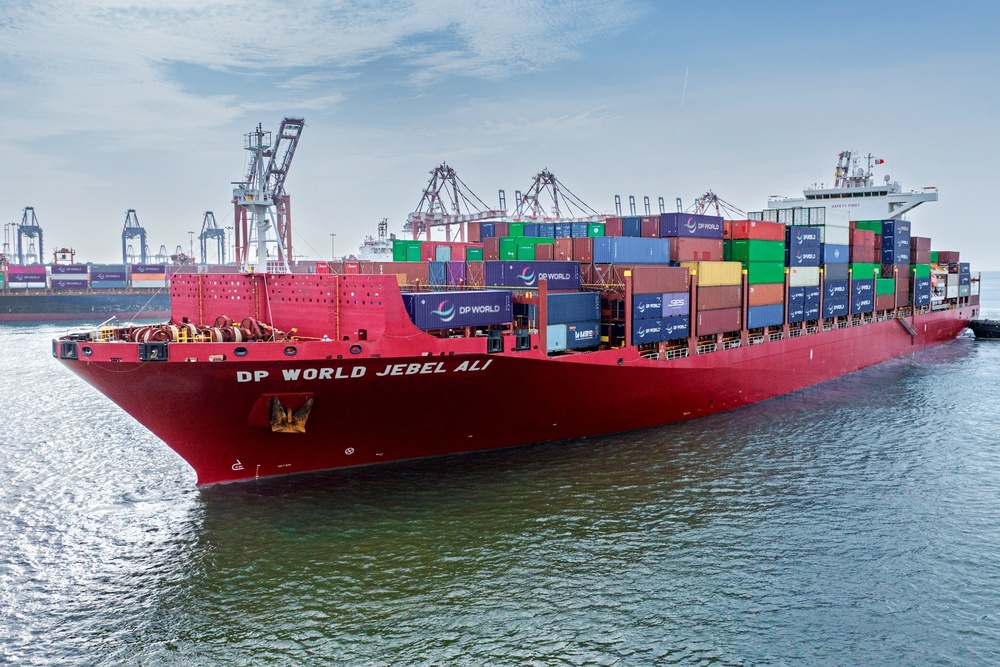






Despite there being sufficient capacity on the European market, most ships owned by European shipowners continue to be scrapped in South Asia. However, environmental and safety standards there are often inadequate.
According to a new study by the NGO Shipbreaking Platform, only 5 per cent of the tonnage of EU ships is dismantled at European shipyards. The majority continues to be sent to South Asia, primarily to India, Pakistan and Bangladesh.
According to the study, between 2019 and 2025, only 22 per cent of EU ships were recycled at a facility within the EU; this accounted for just 5 per cent of the total tonnage recycled. In contrast, almost half of the ships were scrapped on beaches in the aforementioned Asian countries – accounting for 66 per cent of the total tonnage. Numerous ships changed from an EU flag to another flag shortly before scrapping in order to circumvent the stricter EU regulations.
In 2020, the EU’s recycling capacity stood at 2.1 million LDT (Light Displacement Tonnage – the weight of the empty hull). Nevertheless, of the 1.4 million LDT of EU-owned tonnage scrapped that year, more than two-thirds ended up on South Asian beaches. EU facilities are, however, certainly designed to handle large ships; at least six to eight shipyards have the capacity to recycle vessels up to 330 m in length.
Environmental scandal and loss of materials
From the perspective of the NGO Shipbreaking Platform, which carried out the study in collaboration with the organisation T&E, this constitutes both an environmental scandal and a loss of high-quality materials for the EU economy. In their report, they conclude that the EU has sufficient capacity to recycle all ships flying the EU flag and owned by EU companies.
“This is not just an environmental problem; it is a glaring failure of the EU’s industrial strategy,” said Philippine Bernard, a policy officer at the NGO Shipbreaking Platform. “On paper, strategic resilience and material autonomy are prioritised, whilst in reality valuable steel is being lost to third-country markets. The EU talks about reducing dependence on imported critical raw materials, yet at the same time allows its shipowners to circumvent regulations and export millions of tonnes of recyclable steel that could be processed domestically. That is not strategic autonomy.
Shipbreaking in South Asia is based on the so-called ‘beaching’ method, in which ships are dismantled directly on the beach without any safety precautions. This practice leads to soil and water pollution due to the release of hazardous substances. Furthermore, the hazardous working conditions – due to working on the tidal flats – pose a significant problem. The most recent example: at the Priya Blue shipyard in India – one of the country’s ‘flagship facilities’ – there was a massive oil spill that affected vast swathes of land. Shortly afterwards, the EU announced that it was adding two Indian beaching yards to the list of authorised ship recycling facilities.
Shipowners circumvent regulations
The EU Waste Shipment Regulation prohibits the export of ships that become waste in EU waters to non-OECD countries. The EU Ship Recycling Regulation also stipulates that ships flying an EU flag must be scrapped at a facility authorised by the EU.
In practice, however, the majority of the EU-owned fleet continues to be scrapped at substandard facilities in South Asia, with shipowners either changing flags or falsely claiming to continue operations. In this way, they circumvent the restrictions on waste exports. As a result, the EU continues to export toxic waste in the form of end-of-life ships. In one instance alone, 102 ships changed from an EU flag to another flag shortly before being scrapped in order to evade EU restrictions.
In July, the European Commission announced plans to include the first ‘beaching’ facilities for ship recycling on the EU list of authorised operators. According to the Shipbreaking Platform and the organisation T&E, this would make it easier to dispose of ships overseas.
Shipyards based in the EU operate in compliance with high environmental and labour standards. The approval of substandard ‘beaching’ yards would put the responsible European industry at a disadvantage and reward harmful practices that are effectively not permitted in EU Member States.
Valuable steel scrap
Up to 95 per cent of a ship’s weight can be recycled as high-quality steel scrap. In an earlier report, the NGO concluded that nearly 12,000 EU-owned ships would reach the end of their service life over the coming decade, which could yield up to 12 million tonnes of steel annually. Ship scrapping in Europe therefore represents a significant economic opportunity.
“Secondary steel production in electric arc furnaces using recycled scrap is one of the most effective ways to decarbonise the sector. By exporting its valuable scrap, the EU is depriving itself of the raw material base needed for its own transition to green steel,” said Benedetta Mantoan, Policy Manager at the NGO Shipbreaking Platform.
Persistent policy gaps are preventing ship recycling from being brought into line with the EU’s strategic plans. According to the NGO, so-called “beaching” must be explicitly banned, rather than being permitted on the basis of false claims by shipowners regarding insufficient EU capacity.
“The EU must bring reality into line with its stated goals for a circular economy and decarbonisation,” the organisation stated. “Without closing loopholes such as the switch to flags of convenience, the Commission’s ambitious plans will remain nothing more than wishful thinking. Ultimately, the EU must continue its efforts to actively promote and support best practice in the ship recycling sector in order to ensure a level playing field globally.”