


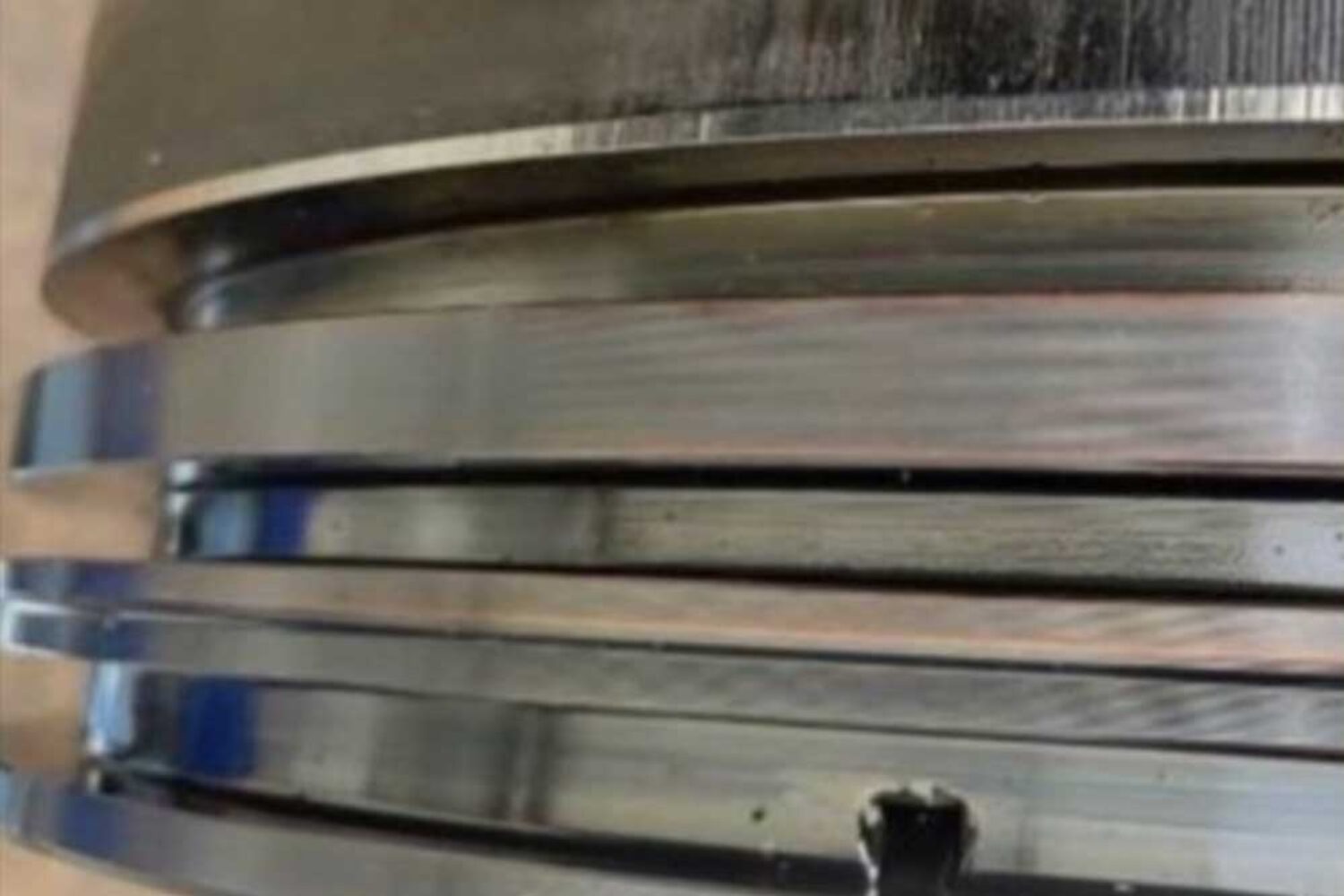
For many years, marine gas engines have operated on low-BN lubricants (BN 4–5) designed for earlier operating conditions and clean-burning fuels. These lubricants delivered reliable performance under those conditions, with very low sulphated ash levels as a key requirement.
As modern engine technology has evolved, the demands on lubricants have increased. Today’s gas engines operate at higher temperatures, under greater pressures and with extended service intervals. These conditions result in increased oxidation and nitration, requiring greater protection than conventional lubricants can provide.
With its BN 7 formulation, Lenol 7 GEO 40 Ultra has been developed to meet these requirements. The lubricant combines high BN performance with sulphated ash levels of no more than 0.5%, supporting clean combustion and reduced deposit formation.
Lenol 7 GEO 40 Ultra is also suitable for older engine designs and can be used without modification. The company says both modern and older engines benefit from enhanced acid neutralisation, improved oxidation and nitration resistance, extended oil drain intervals and reliable performance under high thermal loads.
Another feature is the possibility of temporary operation on distillate pilot fuel. Lenol says this reduces the risk of corrosion and deposit formation associated with BN 4–5 lubricants.
The company describes the move from low-BN lubricants to BN 7 as a response to changing engine requirements, providing improved protection, efficiency and operational flexibility for both modern and older gas engines.
Hall A4, Booth 103