




The Dutch heavy-lift shipping company Jumbo, alliance partner of Hamburg-based SAL, has developed a new vessel type with a lifting capacity of 2,400 tonnes and ordered two newbuildings.
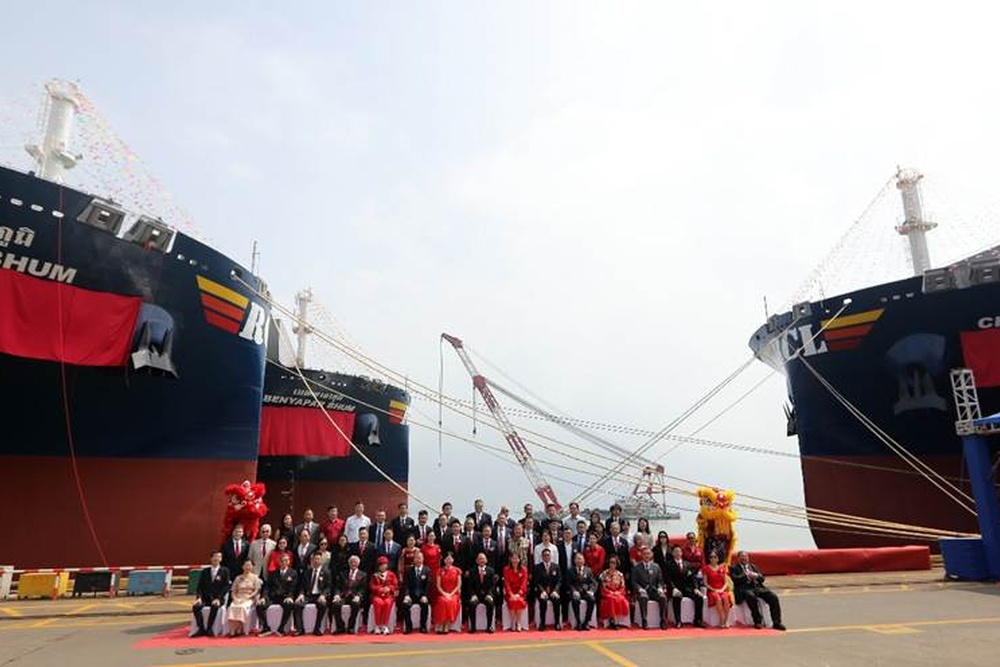
The new L-Class has been developed entirely in-house, according to the company. Two vessels have been ordered from Chinese shipyard Dajin Heavy Industry, with deliveries scheduled for 2028 and 2029.
“Fleet development is an exciting time for any shipping company. This project brings new energy to our organisation and will create valuable opportunities for our customers and partners worldwide,” said CEO Peter de Bree.
According to Jumbo, the project has been driven forward in recent years by teams across the company, including commercial, engineering, operations, fleet, legal, finance, QHSE and procurement.
The new heavy-lift vessels will be designed as methanol-ready and offer a deadweight capacity of 25,000 tonnes. Each vessel will be equipped with two 1,200-tonne cranes, providing a combined lifting capacity of 2,400 tonnes. No contract value was disclosed.
Once delivered, the vessels will join the JSI Alliance, which Jumbo has operated together with SAL, part of the Bremen-based Harren Group, since 2021. US carrier Intermarine joined the cooperation in 2024. The alliance fleet comprises around 80 vessels serving the global project cargo, energy, industrial and infrastructure markets.
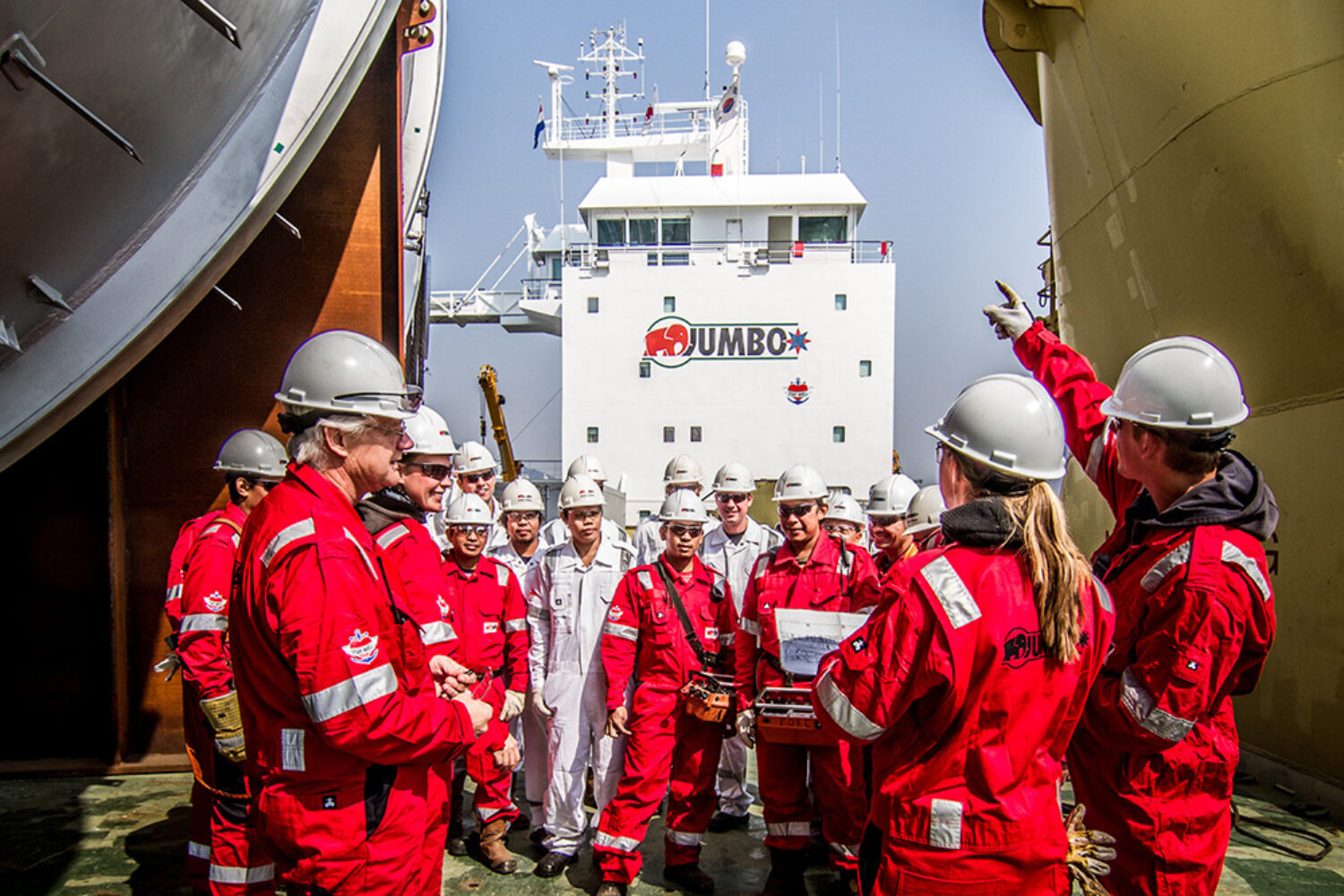
Jumbo currently operates eight vessels with crane capacities ranging from 650 to 3,000 tonnes for heavy-lift transport and offshore installation work.
Further details on the design, including renderings, have not yet been released. According to the company, the DNV-certified design features a reinforced deck structure, a large open deck area, deep cargo holds and high cargo volume to meet evolving market requirements.
The Chinese shipyard signalled interest in expanding the partnership beyond the current order. In a statement, Dajin said: “This contract marks the beginning of a long-term industrial cooperation between our companies, which offers opportunities to expand to a broader cooperation in the fields of offshore shipbuilding, offshore wind technology and services for deep-sea equipment.”