




Against the backdrop of the critical security situation in the Middle East, ICS Director-General Thomas A. Kazakos has called on the UN Security Council not to allow shipping to become a pawn in politics.
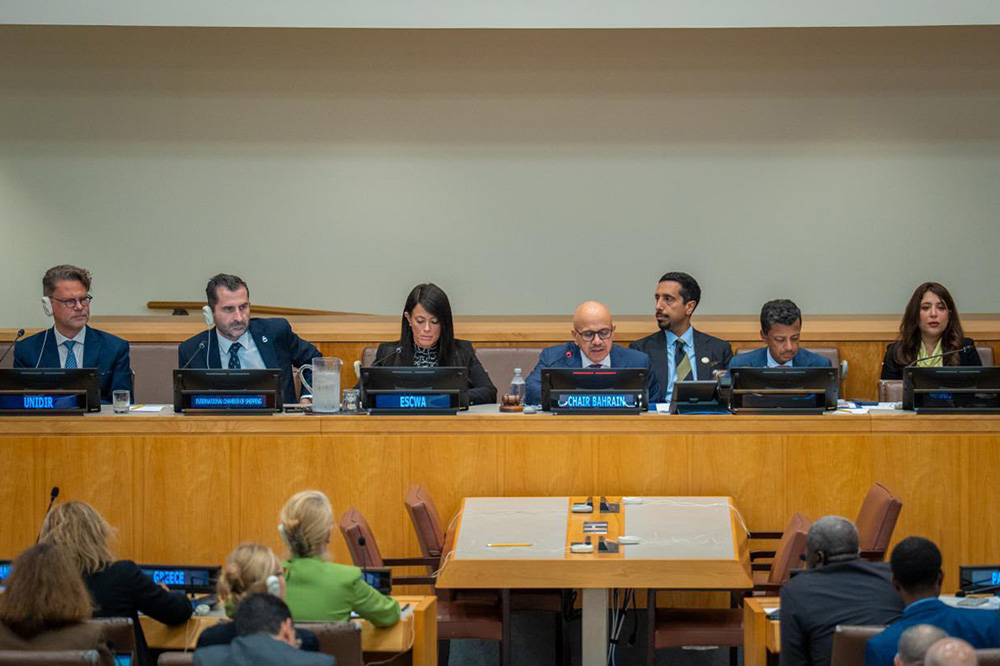
In his capacity as Secretary-General of the International Chamber of Shipping (ICS), a global shipping organisation, Kazakos addressed the United Nations Security Council in New York last week. His address focused on the crucial importance of safeguarding maritime security, freedom of navigation and the established international legal framework governing the world’s oceans.
The ICS had been invited to address a meeting of the UN Security Council convened by Bahrain under the so-called “Arria formula”; the meeting was chaired by Bahrain’s Foreign Minister, Abdullatif Al Zayani. This meeting brought together UN representatives and invited guests to discuss the deteriorating security situation at sea against a backdrop of heightened geopolitical tensions, with a particular focus on the security situation in the Persian Gulf.
Meetings in the so-called Arria format are informal gatherings that enable individuals and organisations to engage in direct dialogue with members of the United Nations Security Council (UNSC). Speaking on behalf of the international shipping industry, Kazakos outlined the far-reaching implications that insecurity at sea has for seafarers, ships, global trade and the international economy as a whole.
The ICS Secretary-General emphasised the fundamental principle of freedom of navigation and stated: “The ability of merchant ships to navigate international waterways safely, predictably and without unnecessary hindrance is crucial to international maritime law and the global trading system … Shipping must not be held hostage.”
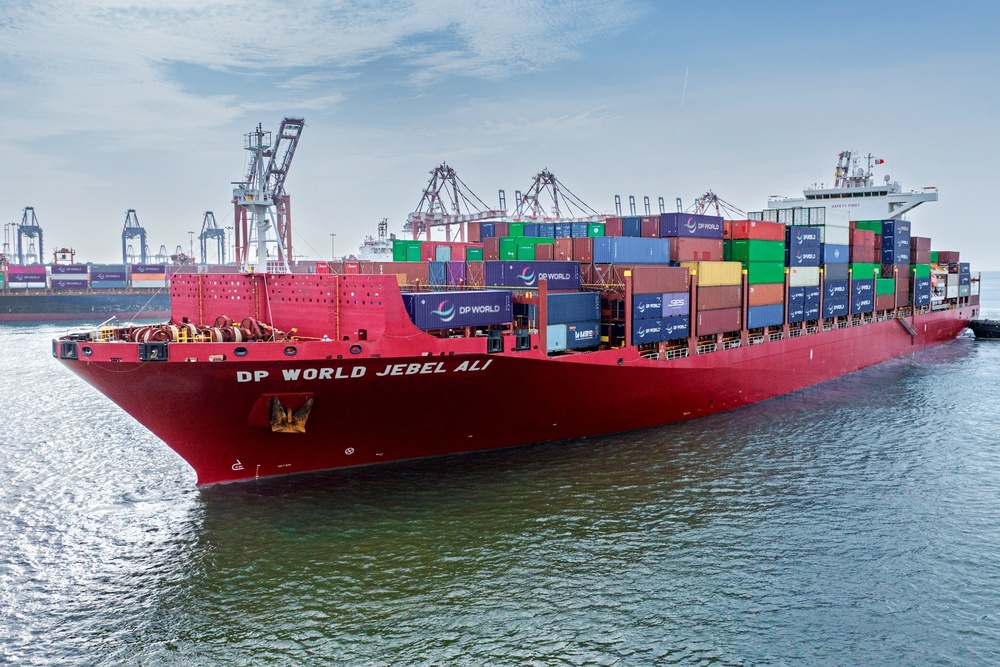
“The current situation in the Strait of Hormuz and the surrounding region highlights the relevance of this issue. It is one of the world’s most vital lifelines for international trade; around a quarter of global oil shipments by sea, as well as a significant proportion of LNG and fertilisers, pass through it. The ongoing disruptions are exceptional.”
The ICS emphasised that merchant ships and their crews must not become pawns in wider political or military conflicts and that established international rules for shipping must be respected.
Shipping sector offers cooperation in the Security Council
“Straits must not become places where merchant shipping is forced to seek permits, negotiate passage or accept arbitrary restrictions simply because geopolitical tensions have escalated. This is not a privilege that can be granted or withdrawn depending on the prevailing political climate.”
The meeting also gave the shipping industry representative the opportunity to highlight the human impact of the deteriorating security situation.
“Seafarers transport food, energy, medicines, raw materials and essential goods to communities all over the world. They are civilians. They are not parties to geopolitical conflicts, and their well-being is of the utmost importance.” Concluding his speech, Thomas Kazakos called for a return to freedom of navigation. He reiterated the view that international straits must not become tolled passages and that neither merchant ships nor seafarers should be taken hostage.
The International Chamber of Shipping (ICS) is the leading global trade association for owners and operators of merchant ships; it represents all sectors and trade areas and, according to its own figures, more than 80 per cent of the world’s merchant fleet, making it an important voice for the industry in the political arena. The invitation was therefore received positively: “The International Chamber of Shipping welcomed the opportunity to brief the members of the Security Council and reaffirmed the shipping industry’s commitment to cooperating with governments and international organisations to strengthen maritime security and uphold the principles on which global trade is based,” said Kazakos.