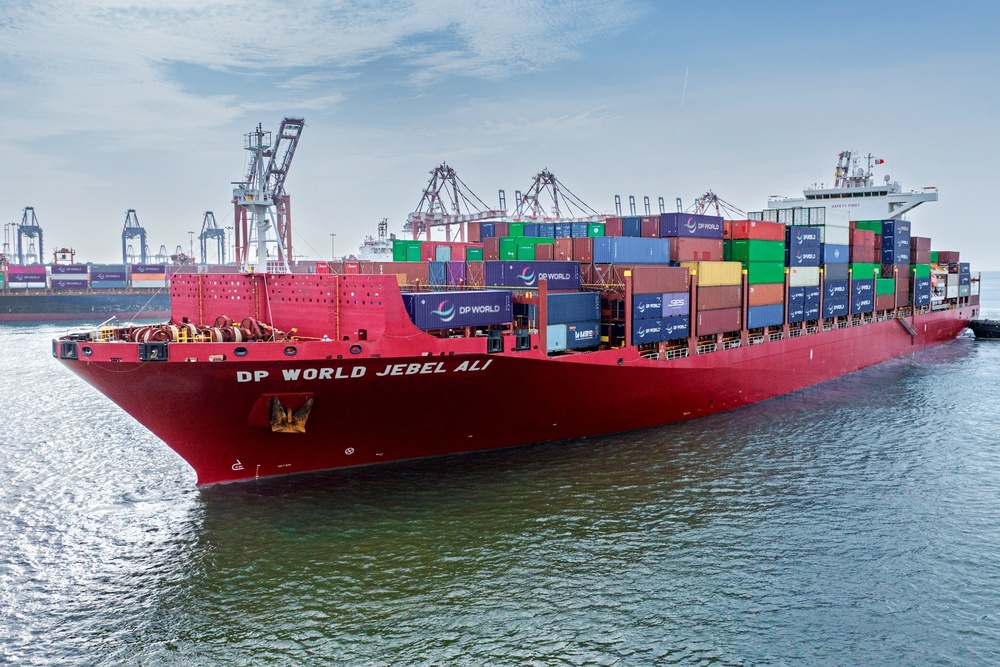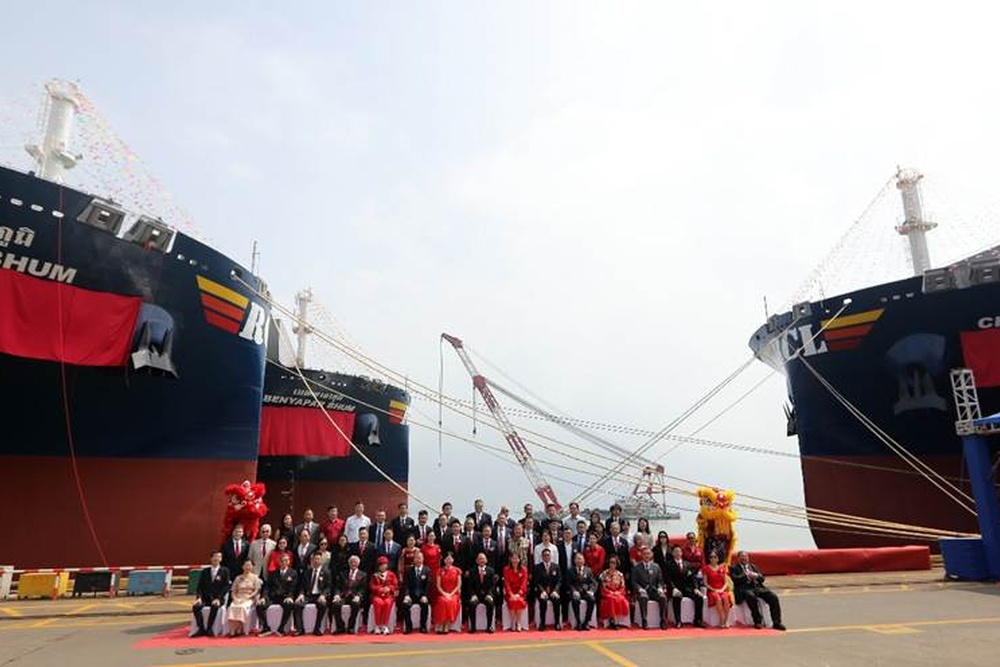





Chinese shipping companies are gearing up for the summer in the Arctic. As well as Russian ports, they are also increasingly calling at destinations in Europe this time around.
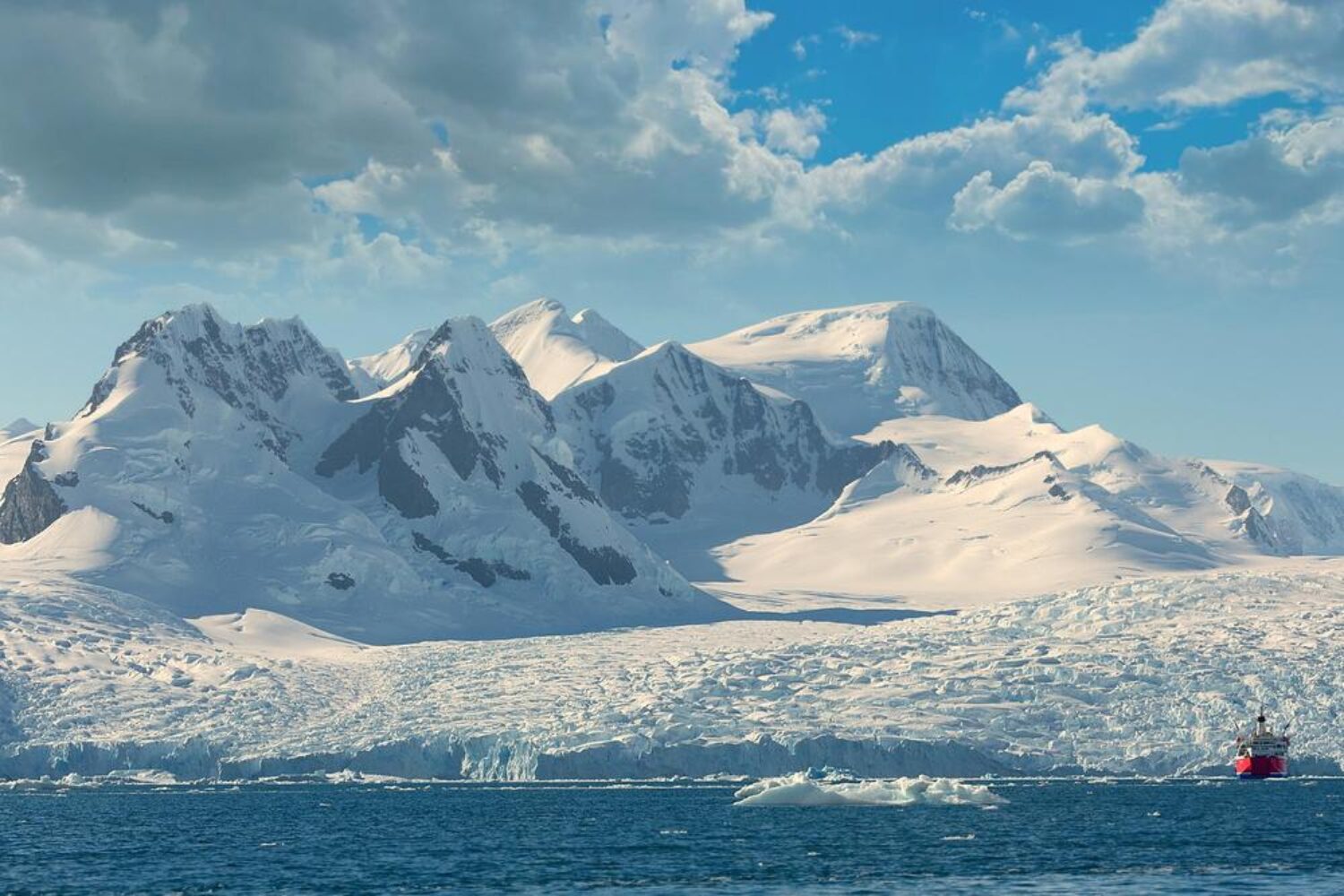
The Northeast Passage, which links Europe to Asia via the Russian coast, is navigable for only a few months of the year. The Arctic ice melts far enough in summer to allow ships to travel along the route, but freezes over again by autumn.
Chinese shipping companies are keen to make the most of this narrow window of opportunity this year as never before: according to reports, at least six operators, including Newnew Shipping and Sea Legend, are planning to send their container ships and bulk carriers via the Northern Sea Route. According to timetables, the first container services alone are set to offer a capacity of around 20,000 TEU, with a possible second voyage through the Arctic later in the summer.
In the past, Russian ports were the primary destination for this route. However, China’s ambitions are now also extending to Western Europe. Ships are set to call at ports in the UK, the Netherlands and Germany, amongst others. Last year, the “Istanbul Bridge” (4,843 TEU) reached the port of Felixstowe via the Northeast Passage – considerably sooner than via the conventional route through the Suez Canal or the detour via the Cape of Good Hope. The shipping company now appears to be building on this success: Sea Legend is planning a regular service from China to Europe.
On the first voyages, the return journey is also set to be via the Northeast Passage. Later in the year, when the ice advances further, the ships will be routed via the Suez Canal. The route through the ice is significantly shorter than other routes: travelling north from Shanghai to Hamburg is around 3,000 nm shorter, which, in the best-case scenario, could save more than two weeks’ sailing time.
Whilst recent years have been “test phases”, the latest developments suggest that China is planning a regular presence in the Northeast Passage. South Korea also announced last year that it harbours ambitions in Arctic shipping and will be sending ships north again this year.
Regardless of the fact that it is only navigable for a short period, shipping through the Northeast Passage is also criticised for logistical and environmental reasons. If, for example, a vessel suffers an accident in the ice, rescue teams can only reach the scene with great difficulty or after a significant delay. The Arctic is also regarded as a fragile ecosystem; the effects of regular shipping traffic have scarcely been researched. Last but not least, emissions from ships have a direct impact on the ice: soot from exhaust fumes can settle on the ice, darkening it and thus accelerating its melting.