


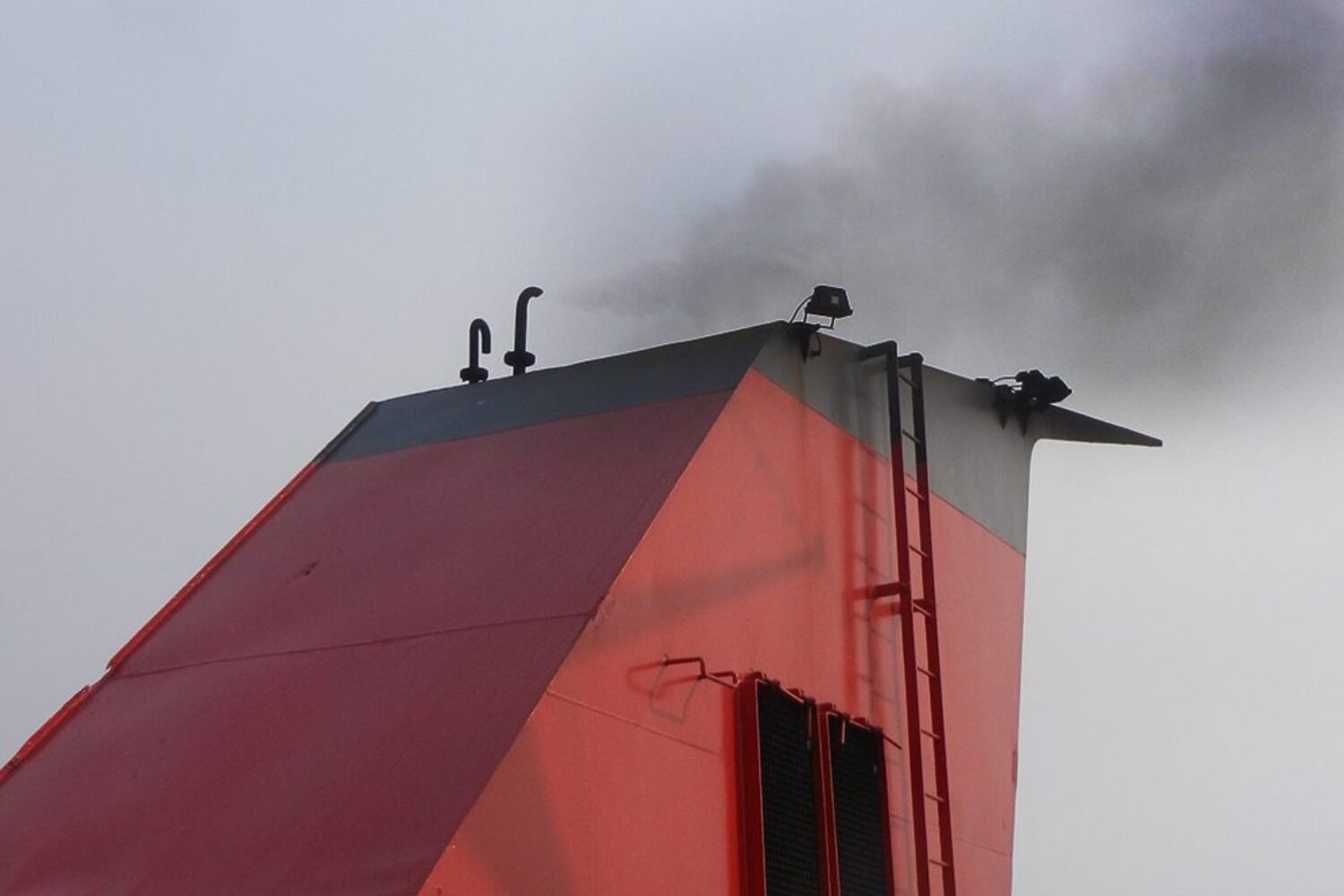
According to the consensus of the International Maritime Organization, global shipping should become climate-neutral by 2050. The US classification society ABS proposes pursuing this goal in various ways.
The decarbonization of shipping is one of the greatest technical challenges of the coming decades. The planned “Net-Zero Framework” of the International Maritime Organization (IMO) provides a clear framework for this: Global emissions are to fall by 20% by 2030, and the organization is aiming for complete climate neutrality in the industry by 2050.
These targets are accompanied by strict emissions regulations, supported by regulations such as the EU ETS and FuelEU. A push is now coming from America to soften these regulations. In an open letter, the classification society American Bureau of Shipping (ABS) called on regulatory authorities to adopt a flexible approach to the IMO’s requirements.
ABS acknowledges that a uniform international approach to reducing emissions is necessary. At the same time, however, the company argues that the implementation of these targets will be shaped by the realities of the global fleet. Decarbonization of the industry is therefore likely to come about through different routes and not through a single fuel solution, ABS said.
“The IMO has set a clear direction, but the way forward has become increasingly complex for the industry,” said John McDonald, Chairman and CEO of ABS. “Our job is to provide technical clarity based on factual data at a time of diverse, competing views. By aligning with what is actually feasible for the global fleet, we can help focus the industry on practical steps that support the goals already set and steer change in the right direction.”
Decarbonization still in the early stages
The transition of the fleet towards climate-friendly shipping is still at an early stage, according to ABS. According to an analysis by the company, only around 10% of global tonnage can be operated with alternative fuels. A further 6% is classified as “fuel-ready”, i.e. ready for the use of alternative fuels.
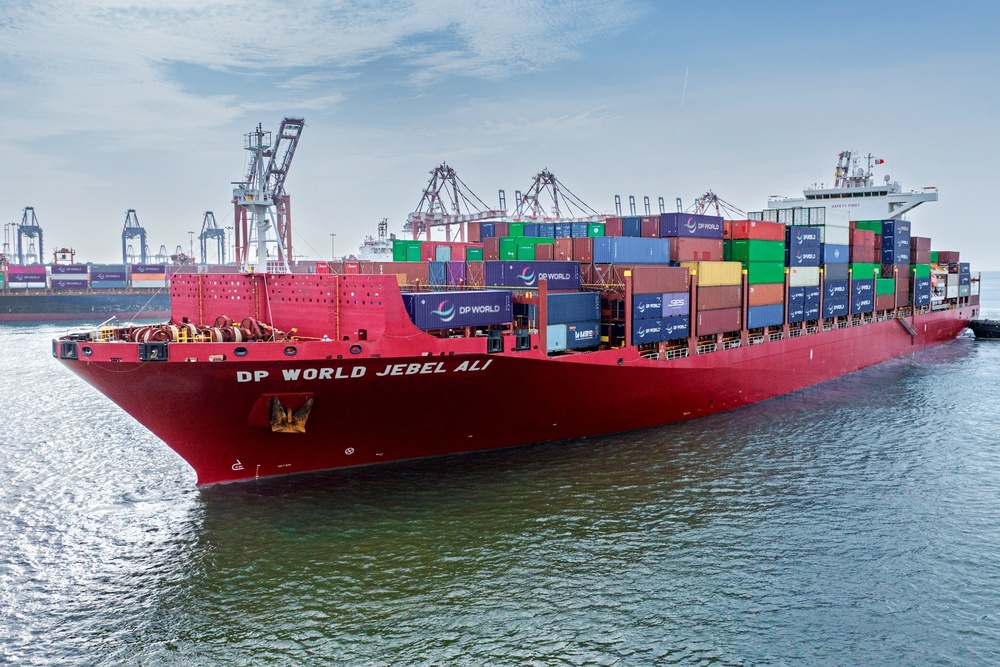
In addition, not all segments of the industry have the same access to supply chains for alternative fuels such as ammonia, ethanol or methanol. Container ships, ferries and cruise ships that sail on fixed routes generally have a competitive advantage. According to ABS, ships whose routes vary – often including bulkers and tankers – often only have limited access to the necessary infrastructure.
Liquefied natural gas (LNG) is the most advanced of the alternative fuels to date. ABS referred to more than 220 ports worldwide where LNG can be bunkered. The company also predicts that the LNG-powered fleet will continue to grow.
According to ABS, methanol is developing into a second important option. However, the fuel is not available in sufficient quantities. Green methanol will only reach a production volume of between 6 and 13 million tons by 2030, which corresponds to just under a third of the announced capacities and a fraction of global demand. Ammonia, as the third option, will probably remain a “niche solution” – ABS also referred to limited availability and infrastructure here.
Building on this, the classification society advocates a “balanced framework that combines the best elements of the existing proposals”. This includes maintaining flexibility, aligning measures with fuel availability and operational realities, and promoting practical progress in reducing emissions. The long-term transition to new fuels must be combined with short-term measures that can be applied to the entire fleet today. ABS emphasized the role of energy efficiency as a scalable and immediate contribution to emissions reduction – complementing the continuous development of alternative fuels.
The IMO’s planned Net-Zero Framework should originally have been adopted last fall. However, some countries – first and foremost the USA under President Donald Trump – voted against the decarbonization plan, meaning that the final decision had to be postponed until this year. No agreement was reached at the 84th meeting of the IMO’s Marine Environment Protection Committee (MEPC 84), which took place this May.