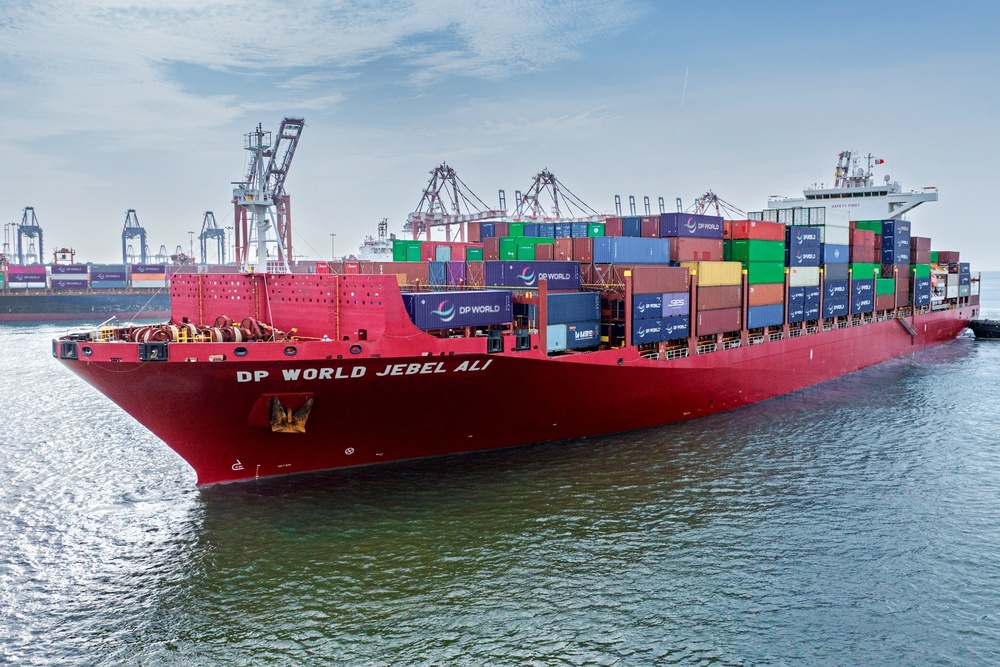





The capacity of the global container fleet is set to reach a new record high. According to the shipping association Bimco, it is expected to exceed the 34 million TEU mark for the first time with the next batch of vessel deliveries.
At the start of September, only around 8,000 TEU were needed to reach this figure. A total of 46 container ships, with a combined capacity of 286,000 TEU, are scheduled for delivery this month.
“If the shipyards have delivered only a few more container ships, global fleet capacity will reach 34 million TEU for the first time. This means the fleet has grown by 10 million TEU, or 42%, in just five and a half years,” says BIMCO Chief Analyst Niels Rasmussen.
Large vessels are driving fleet growth
According to BIMCO, the pace of growth is also a record. The previous increase of 10 million TEU – from 14 million to 24 million TEU – took just over ten and a half years. This is attributed to both the high number of newbuild deliveries and the low level of scrapping activity. Over the past five and a half years, less than 300,000 TEU have been taken out of the market.
At the same time, the composition of the fleet has changed. Ships with a capacity of more than 12,000 TEU accounted for two-thirds of the capacity added since the start of 2021. Their share of total fleet capacity consequently rose from 30% to 40%. The average size of a container ship increased by 14 per cent.
Liner shipping companies have also expanded their share. According to BIMCO, they account for 85% of the additional 10 million TEU. They now control 65 per cent of global capacity, compared with 57% at the start of 2021.
Order book totals more than 14 million TEU
Just under 2,000 ships with a total capacity of more than 5 million TEU are now at least 20 years old. They therefore represent the natural scrapping potential for the coming years. At the same time, the order book comprises more than 14 million TEU, due to be delivered by the end of 2030.
Depending on the number of vessels scrapped, Rasmussen estimates that the container fleet could grow by a further 10 million TEU to 44 million TEU within five years. Supply growth is likely to be particularly high if traffic through the Suez Canal returns to normal, thereby freeing up capacity that is currently tied up by the diversions around the Cape of Good Hope.