


The Remontowa Shipbuilding shipyard in Gdańsk has started the construction of a series of seven battery-electric passenger and car ferries for the Scottish client CMAL. The first units are to be delivered from 2027.
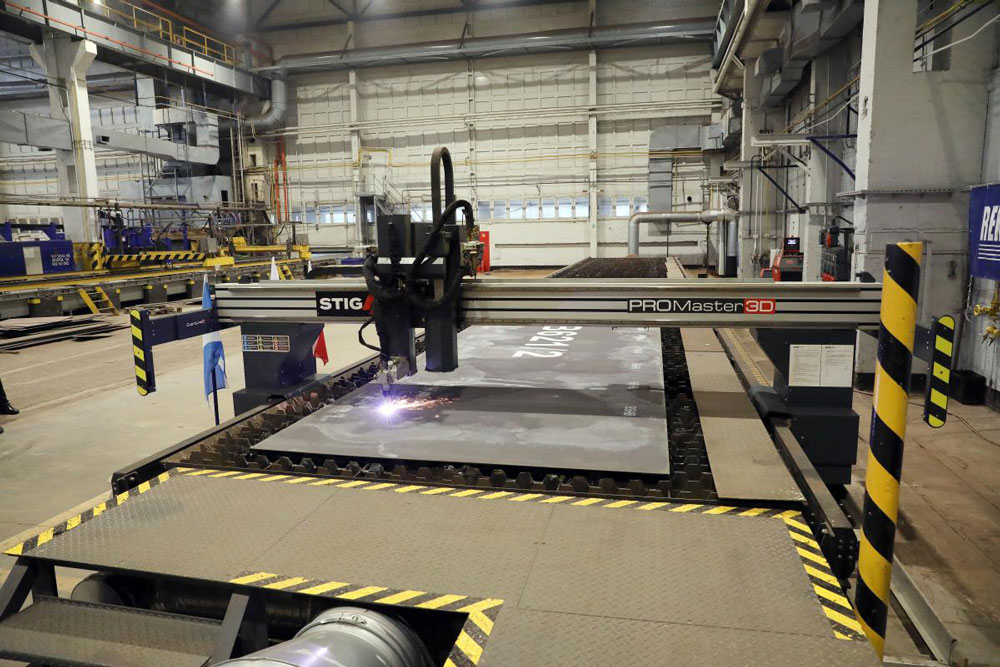
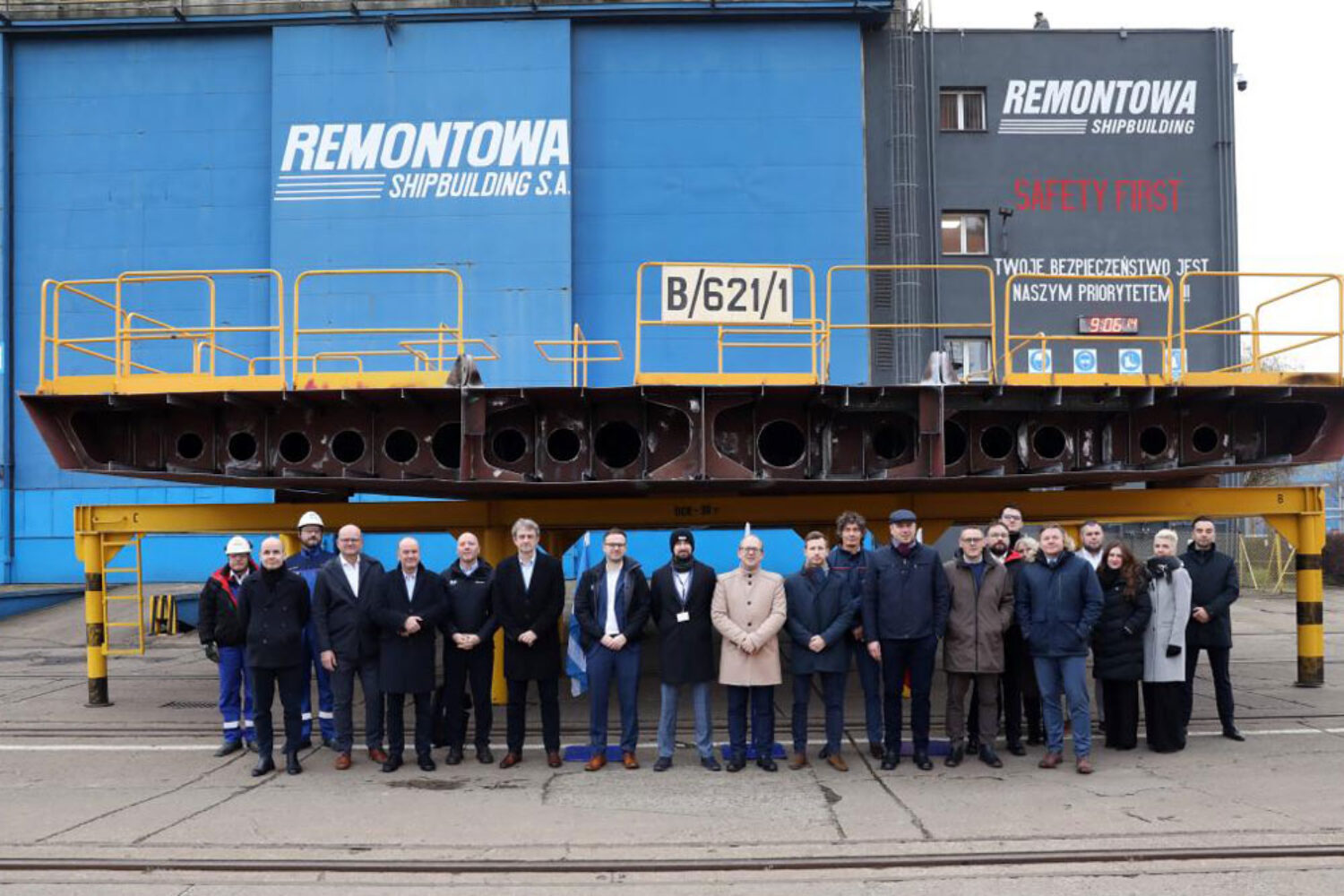
Remontowa Shipbuilding in Gdańsk had two reasons to celebrate on Tuesday: firstly, the ceremonial keel laying and secondly, the steel cutting for the first two CMAL ferries. The event marked the start of construction of a series of seven passenger and car ferries. The keel was laid for construction number B621/1 and the first steel plates were welded for ferry B621/2.
The newbuild series was commissioned by the Scottish shipping company Caledonian Maritime Assets Limited (CMAL). The ferries are being built as part of the “Small Vessel Replacement Program”, which aims to replace obsolete units in service on the Scottish west coast.
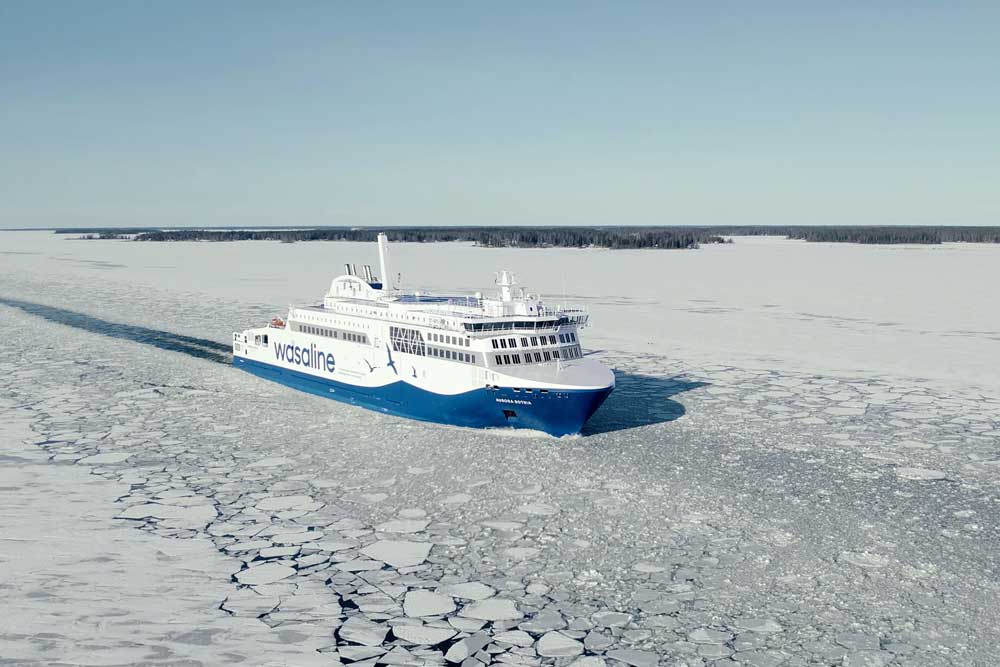
The newbuilds will be equipped with four azimuth thrusters, which will be powered by lithium-ion batteries with a capacity of around 5.7 MWh during normal operation. This enables all-day operation in purely electric mode. This solution significantly reduces carbon dioxide emissions and noise levels, increases travel comfort and is in line with global trends towards the decarbonization of maritime shipping.
The ferries will serve routes between the picturesque Scottish islands of the Hebridean archipelago. They can take 150 passengers and 24 vehicles on board per trip.
The units are based on a design developed in collaboration between the Norwegian design office LMG Marin and the team at Remontowa Marine Design & Consulting, a Remontowa Holding company. They will meet the requirements of the most stringent environmental standards, including the Lloyd’s Register notation ECO.
The first ferry, whose keel has now been laid, is scheduled to be handed over to the shipowner in the third quarter of 2027. Delivery of the next unit is scheduled to follow three months later.
These are not the first ships that this shipyard has built for this client. Between 2005 and 2011, three ferries were delivered, which were intended for passenger and vehicle traffic between Glasgow and other important cities on the Scottish west coast and the islands of the Outer Hebrides.