


The G7 countries (Germany, France, Italy, Japan, Canada, the UK and the USA) and the EU are apparently preparing new sanctions that will make it much more difficult to transport Russian crude oil.
According to information from diplomatic circles, a comprehensive ban on maritime services could come into force as early as the beginning of 2026. This would replace the previous price cap system from 2022, which only allowed third countries to use Western shipping and insurance services if they complied with a set price limit. The new regulation stipulates that shipping companies, insurers and other maritime service providers from G7 and EU states will no longer be allowed to support Russian oil exports in future, regardless of the sales price.
Curbing the financing of the war
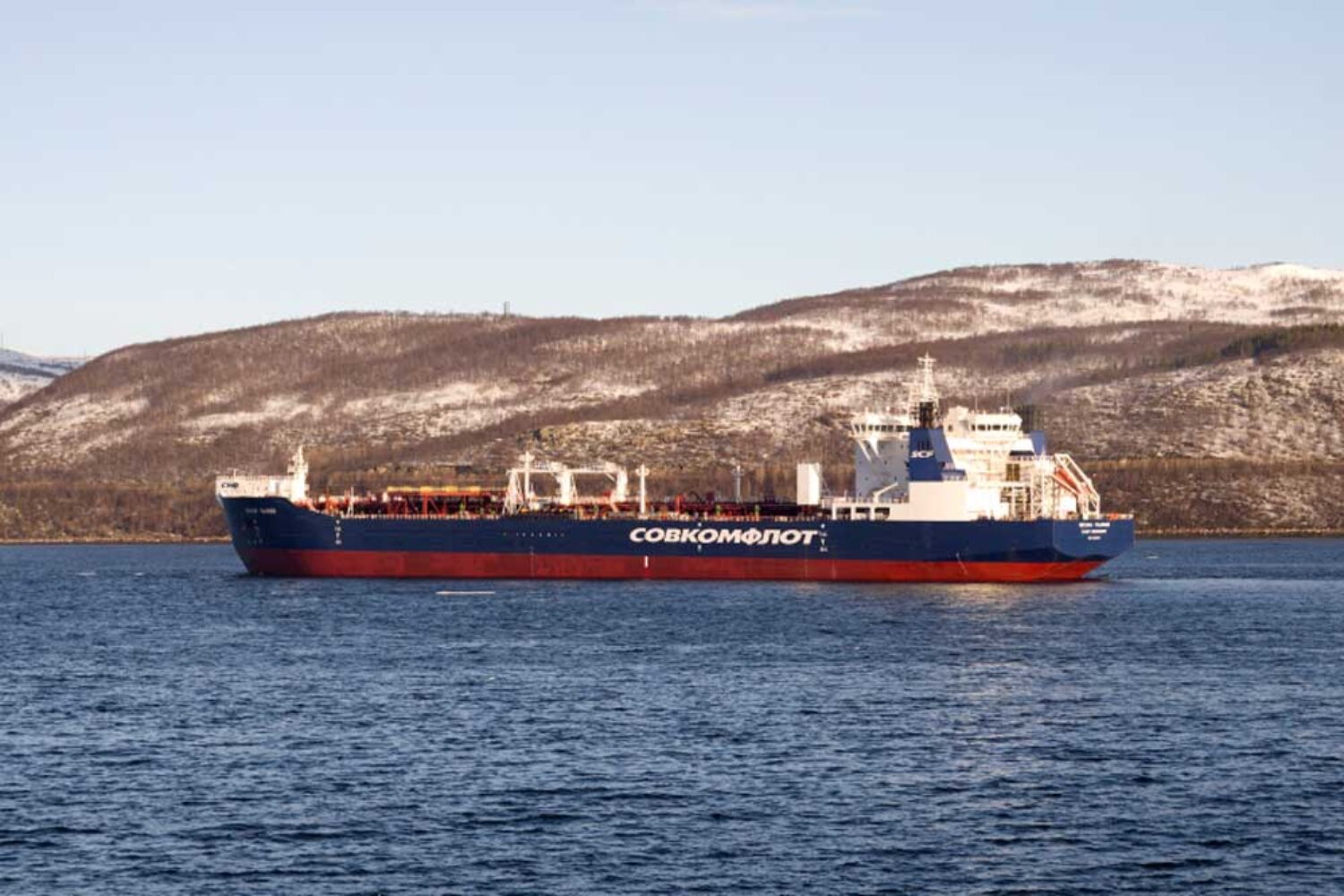
With this step, the Western states want to further reduce Russia’s oil revenues, which are making a significant contribution to financing the war against Ukraine. However, there are considerable doubts as to whether the project will have the desired effect. In recent years, Russia has built up an extensive shadow fleet consisting of older tankers that often have no transparent ownership structures, are inadequately insured and operate under changing flags. A large proportion of Russian crude oil exports are already handled by such ships. According to analysts, only a good third of deliveries in October were transported by G7-compliant tankers.
The main customers for Russian oil remain China, India and Turkey, which together account for over 90% of seaborne exports. Market observers assume that these countries will continue to buy Russian oil even under stricter conditions – albeit at prices that reflect the higher risk and additional logistical costs of the dark fleet. Even under the current price cap, sellers had to grant considerable discounts. With the abolition of the price cap, however, pricing could become easier again, which should partially mitigate the Russian losses.
Whether the new measures will nevertheless have an effect depends crucially on how consistently the Western states enforce the rules. Experts see the greatest uncertainty here: without strict controls, clear penalty mechanisms and coordinated monitoring of international transport chains, Russia could continue its exports largely unchecked despite the ban.