


Europe’s largest seaport, Rotterdam, wants to benefit more from developments in the offshore wind sector and is planning to build a new terminal for heavy-lift and RoRo handling.
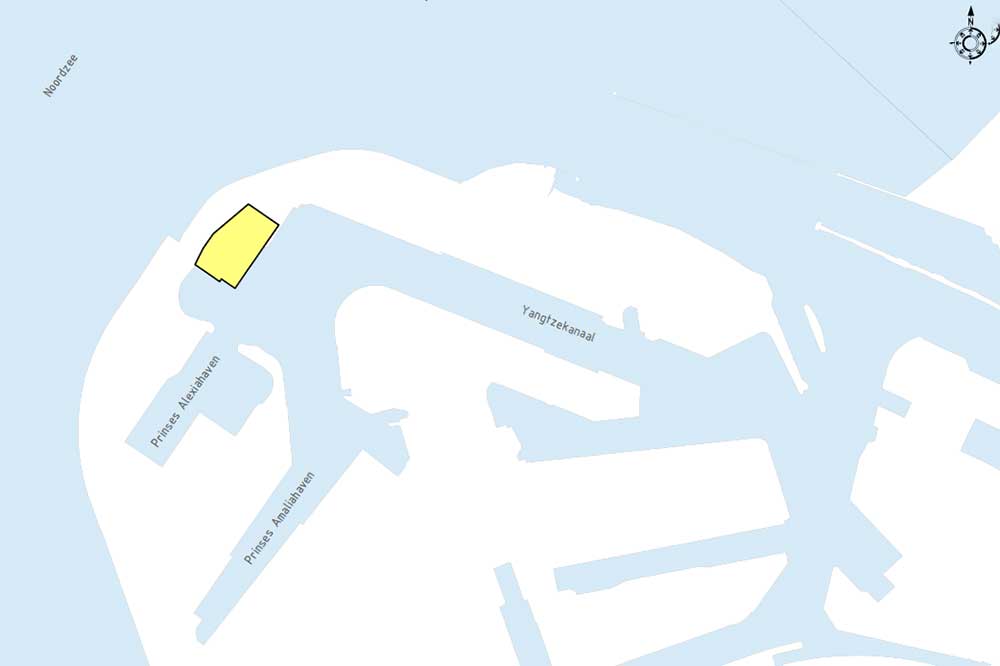
The Port of Rotterdam Authority is developing a 45-hectare site in the north-western corner of the Maasvlakte for this purpose. Commissioning is planned for mid-2029. Interested market participants can now register for the market consultation, according to an official publication.
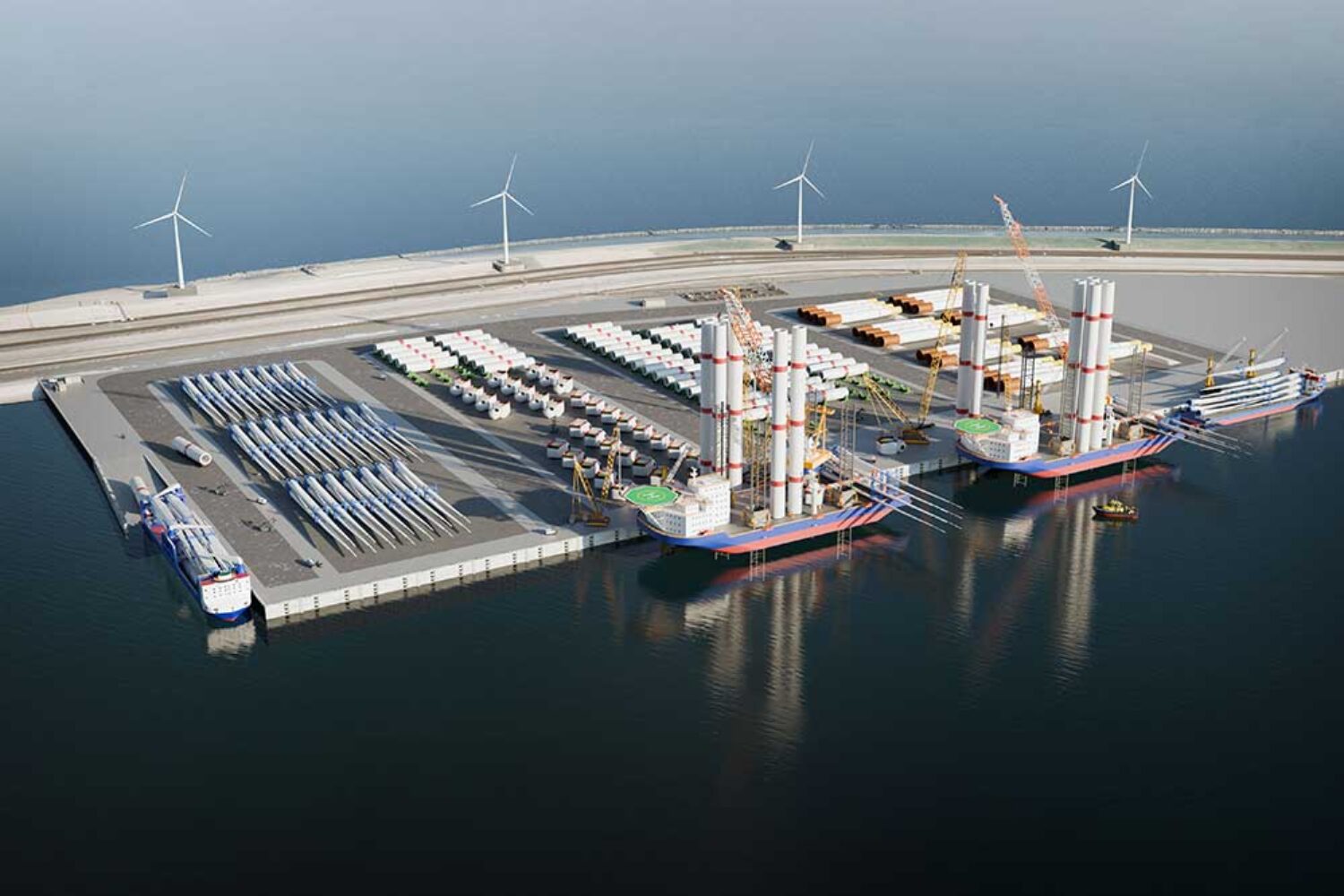
The terminal will provide facilities for the storage, transportation, installation and (pre-)assembly of wind turbine components and foundations. It will have direct nautical access to the sea and will be equipped with heavy-lift quays and state-of-the-art logistics facilities. Matthijs van Doorn, Commercial Director of the Port of Rotterdam Authority, commented: “With this new terminal, we are making an important contribution to the necessary capacity for the offshore wind sector. Due to its direct location on the North Sea, its large draught and the existing offshore cluster, the port of Rotterdam is ideally suited for these activities.”
The authority is also relying on input from the business community for the realization: according to the information provided, “market players” can “contribute their ideas for the design of the terminal and share their ambitions, requirements and technical knowledge”. After this RFI (Request for Information) phase, the port wants to determine the next steps and decide on the future operating model of the terminal.
The plan is for an 835 m long quay where the latest generation of vessels for transporting installation elements for offshore wind turbines can berth. The quay offers space for jack-up vessels and facilities for pre-assembly work. A RoRo facility is also planned. In addition to the construction of offshore wind farms, the terminal is also intended for their subsequent decommissioning.
Further wind farms will be built in the North Sea in the coming years. “The port capacity required for this with the right specifications has been a limiting factor to date. The realization of the terminal will create the large-scale, high-quality infrastructure that the market demands,” explains the initiative.