




Cruise vessels and passenger ferries operate under a level of public scrutiny unmatched in most other ship segments. Safety expectations are high, operational reliability is critical, and technological development is closely observed.
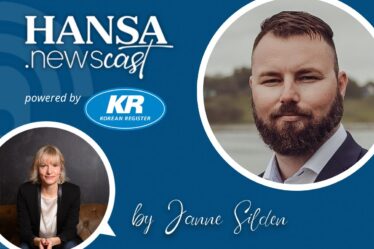
In this episode of HANSA.newscast, Janne Silden speaks with Andreas Ullrich, Global Market Director Passenger Ships and Ferries at RINA, about why passenger ships often sit at the forefront of maritime technology development. A central theme of the discussion is the complexity of large passenger vessel projects. Cruise ships in particular evolve continuously throughout the design and construction phase. Market expectations change, new features are introduced, and owners frequently adapt specifications even while vessels are being built. This dynamic environment requires close coordination between shipowners, shipyards, designers and classification societies. Rather than a strictly sequential process, modern shipbuilding increasingly operates as a collaborative framework in which information is shared across all parties.
From a classification perspective, the nature of the interaction has also changed. Traditionally, classification societies focused primarily on verifying compliance with established rules. Today, projects frequently involve new technologies, fuels and system configurations that require closer technical dialogue between owners, shipyards and class. In these situations the rules often allow different technical solutions as long as the required safety level is achieved. As Ullrich notes, classification has therefore moved from a role that once resembled a “police check” toward one that increasingly works as a technical partner during the development process.
The episode also examines how decarbonization and alternative fuels influence passenger ship development. Liquefied natural gas (LNG) currently represents the most widely implemented alternative fuel for large cruise vessels, with methanol and biofuels emerging for other ship types. At the same time, discussions around nuclear propulsion have re-entered industry debate, particularly in the context of future energy demand and technological advances in reactor design. However, regulatory frameworks, port acceptance and operational considerations remain significant hurdles.
Viewed in a broader context, passenger vessels often act as early adopters of new maritime technologies. Their high public visibility, strict safety expectations and competitive passenger experience drive continuous innovation in areas such as propulsion, energy efficiency and onboard systems. Cruise ships, ferries and luxury yachts therefore illustrate how technological change in shipping is frequently introduced in segments where operational reliability, safety and customer expectations intersect.