


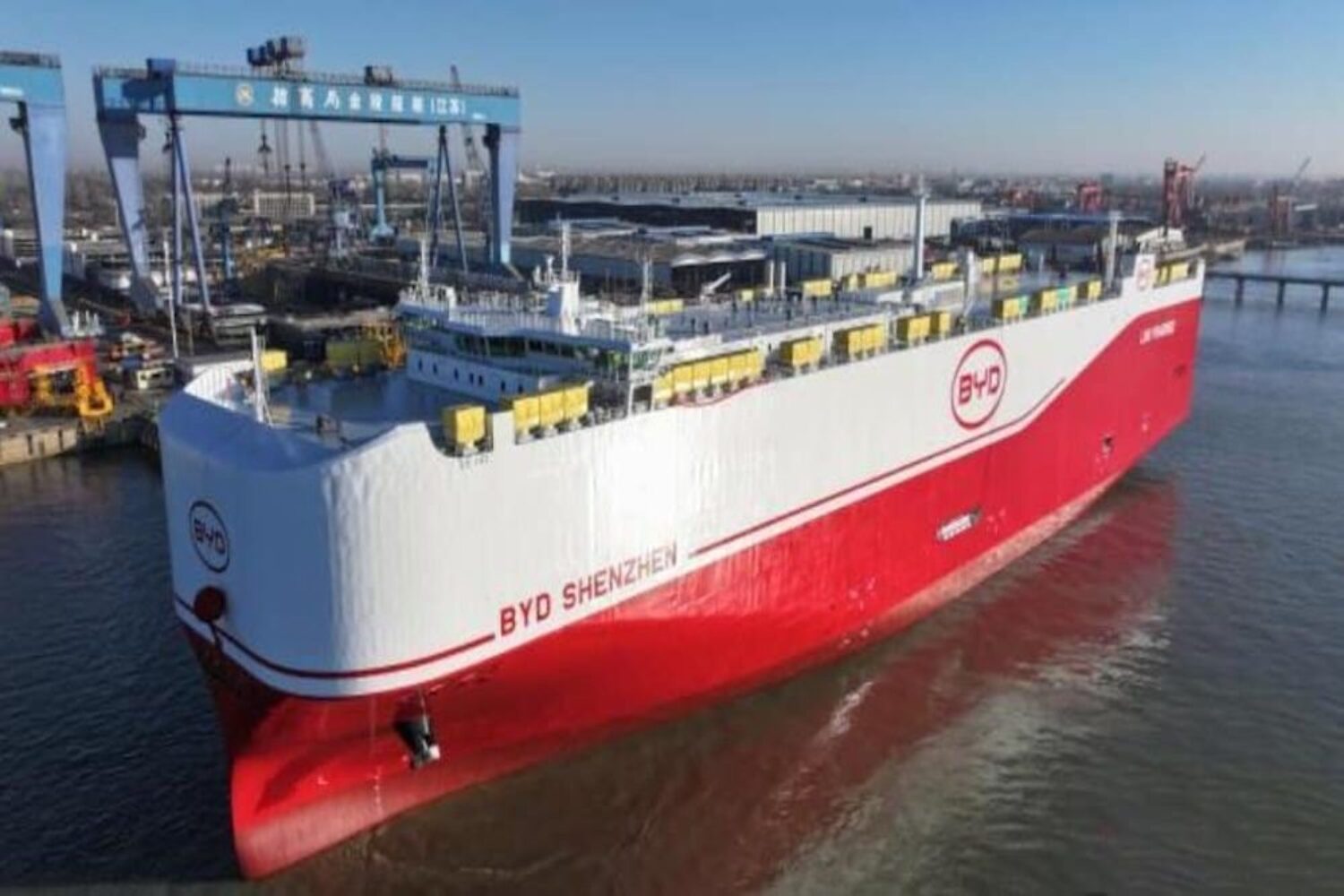
Pure car and truck carrier (PCTC) newbuildings have declined substantially this year, with just six vessels with a combined capacity of 22,000 car-equivalent units (CEU) contracted in 2025, according to figures compiled by Clarksons.
In contrast, surging demand and charter rates between 2022 and 2024 saw an annual average of 612,000 CEU commissioned in those years. The fall in newbuilding orders mirrors the sharp correction in charter rates after a peak of over $100,000 per day in 2024.
By the end of November, for a 5,000 ceu PCTC stood at US$30,000/day, down by 68% from 2024, though this is more than twice the average seen between 2010 and 2019. Charter rates for a 6,500-ceu PCTC now average US$42,500 per day, down 64% year-on-year.
The Covid-19 pandemic compressed demand for vehicles as many countries imposed movement restrictions and obliged office workers to work from home. This led to increased demolitions of older PCTCs, while shipping companies were discouraged from building such ships. When the pandemic and movement restrictions eased, demand for vehicles returned in full force. With insufficient PCTCs to ship cars, charter rates rocketed. Chinese carmakers, especially BYD, turned ship owners as they constructed PCTCs to transport the vehicles they produced.
Clarksons said that changing trends in the shipbuilding market have also affected PCTC orders, as prices have not moderated in line with softer charter rates. A 7,000-CEU LNG-ready PCTC is priced around US$90 million, down by just 7% from the peak in 2024. Prolonged delivery dates, resulting from high orders for other merchant ships, now mean that ship owners must wait till 2028 or 2029 for new vessels, further deterring orders.
However, Clarksons said that some PCTCs are aging and there is a need for fleet renewal. The brokerage said: “This is particularly in the smaller sectors where around 70% of ships with less than 6,000-CEU in capacity is now 15+ years old and very little ordering has been seen in recent years, creating potential for ordering here in the coming years.” (PL)