


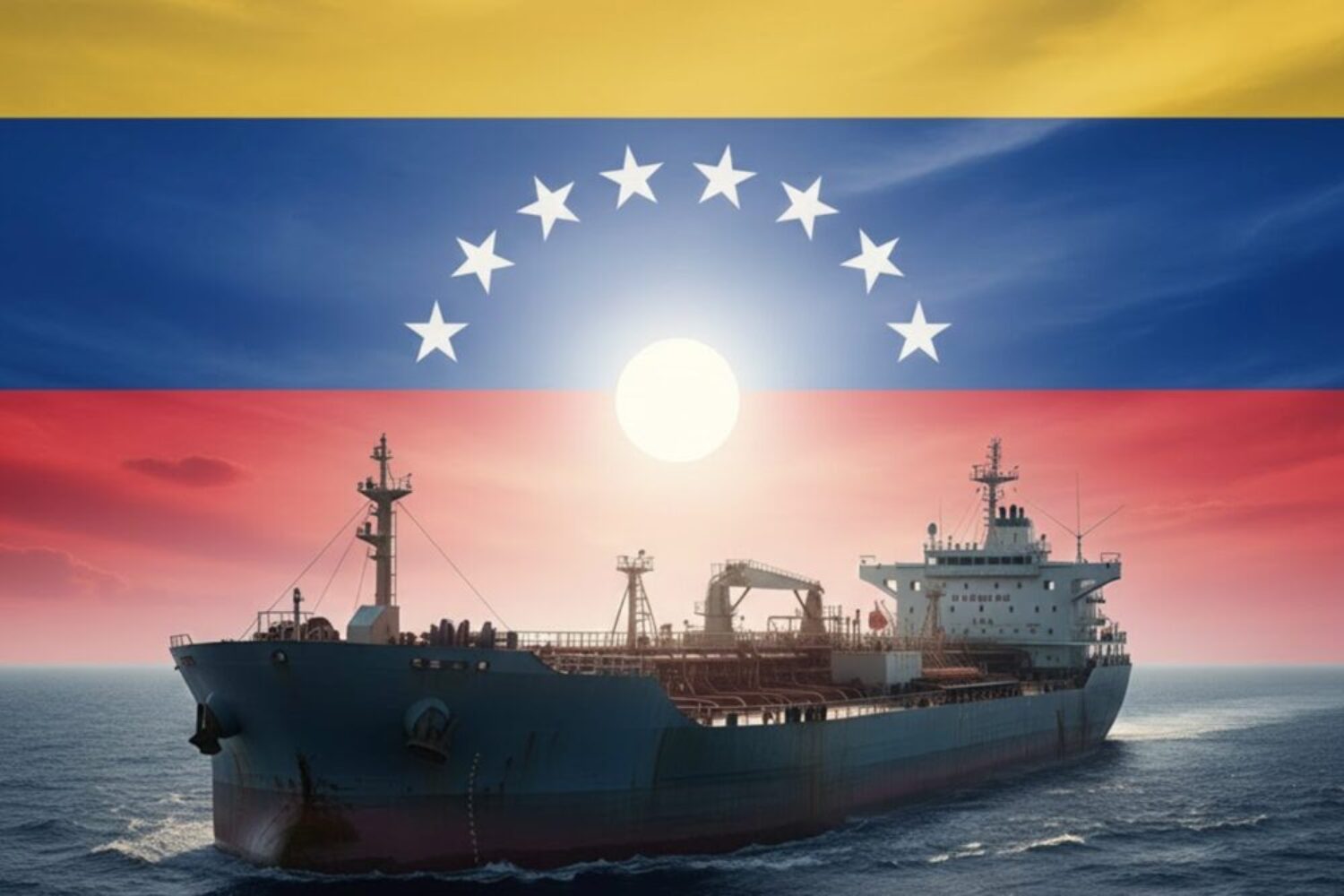
Despite the blockade imposed by the USA, around a dozen tankers loaded with Venezuelan crude oil and oil products have left the country’s waters since the beginning of the year.
This is according to documents available to the Reuters news agency, as well as information from industry circles and the ship monitoring service TankerTrackers.com.
All of the ships identified are subject to US sanctions. Around half of the fleet consists of supertankers, which usually transport Venezuelan crude oil to China. Experts estimate that the spilled tankers carry a total of around 12 million barrels of heavy crude oil and fuel oil. This is based on contracts with the state oil company PDVSA and analyzed satellite images.
In mid-December, US President Donald Trump imposed a blockade on all sanctioned tankers entering or leaving Venezuela. This took place shortly before the arrest of Venezuelan President Nicolas Maduro by US troops. According to Trump, the oil embargo remains in force despite Maduro’s departure. At the same time, he stated that Venezuela’s most important customers, including China, would continue to receive oil.
It initially remained unclear whether the current exports were approved by US authorities or tacitly tolerated. Neither the White House nor the US State Department, PDVSA or the Venezuelan oil ministry commented when asked.
Departure partly in “dark mode”
The destination of the tankers is also unclear. When the ships were loaded in December, the cargoes were mainly destined for Asian customers. Due to the blockade, numerous units had been moored in Venezuelan waters for weeks. At least four tankers left the area via a route north of Margarita Island after stopping briefly near the country’s maritime border.
Several supertankers are said to have received permission from the Venezuelan authorities to leave without activated satellite transponders. This so-called “dark mode” procedure is considered common practice when transporting sanctioned oil cargoes from Venezuela, Iran or Russia.
In addition to the large tankers, a smaller group of three sanctioned ships also left the country. These had previously made domestic journeys or unloaded imports, including Russian naphtha, which Venezuela needs to dilute its particularly heavy crude oil.
Chevron resumes exports
At the same time, the US oil company Chevron has resumed its exports of Venezuelan crude oil to the USA. After a four-day interruption, a tanker chartered by Chevron left Venezuelan waters for the US Gulf Coast with around 300,000 barrels of heavy crude oil.
Chevron is currently the only company that has received an exemption from Washington to export Venezuelan crude oil. According to shipping sources, no Chevron tankers had sailed since January 1, before the US military operation.
Exports as a key source of income
The blockade had recently brought Venezuelan oil exports to a virtual standstill. PDVSA then began to cut back production, as onshore storage facilities were at full capacity and more than 20 million barrels destined for export were already stored on ships.
Oil exports are by far the country’s most important source of income. The transitional government under Oil Minister and Vice President Delcy Rodriguez is dependent on the proceeds to finance state spending and stabilize the economic situation. Rodriguez is due to be officially sworn in as interim president shortly.
Trump recently stated that further military measures against Venezuela were possible if the country did not cooperate with the USA in opening up its oil sector and combating drug trafficking