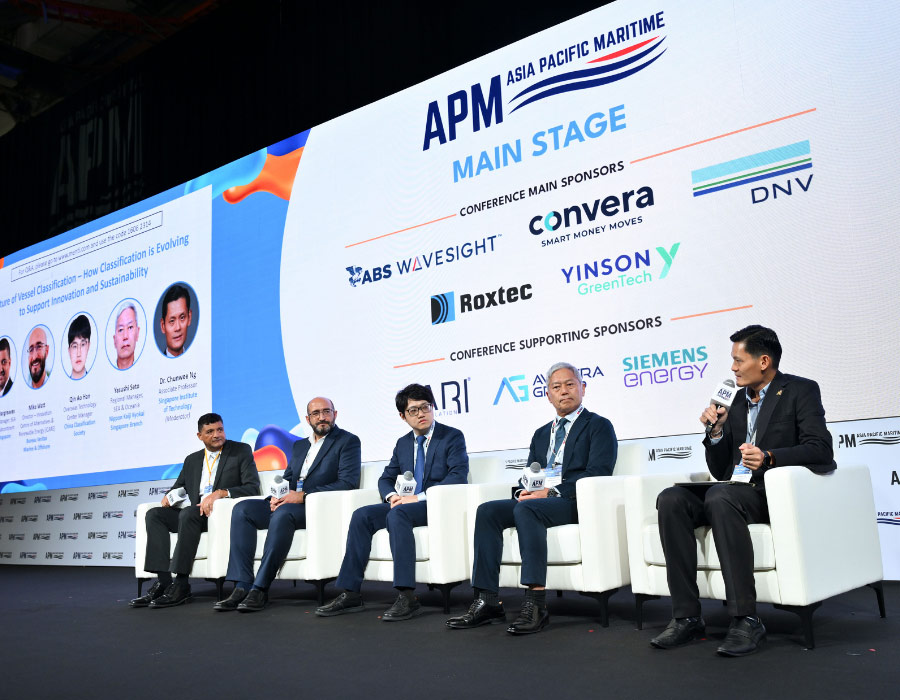



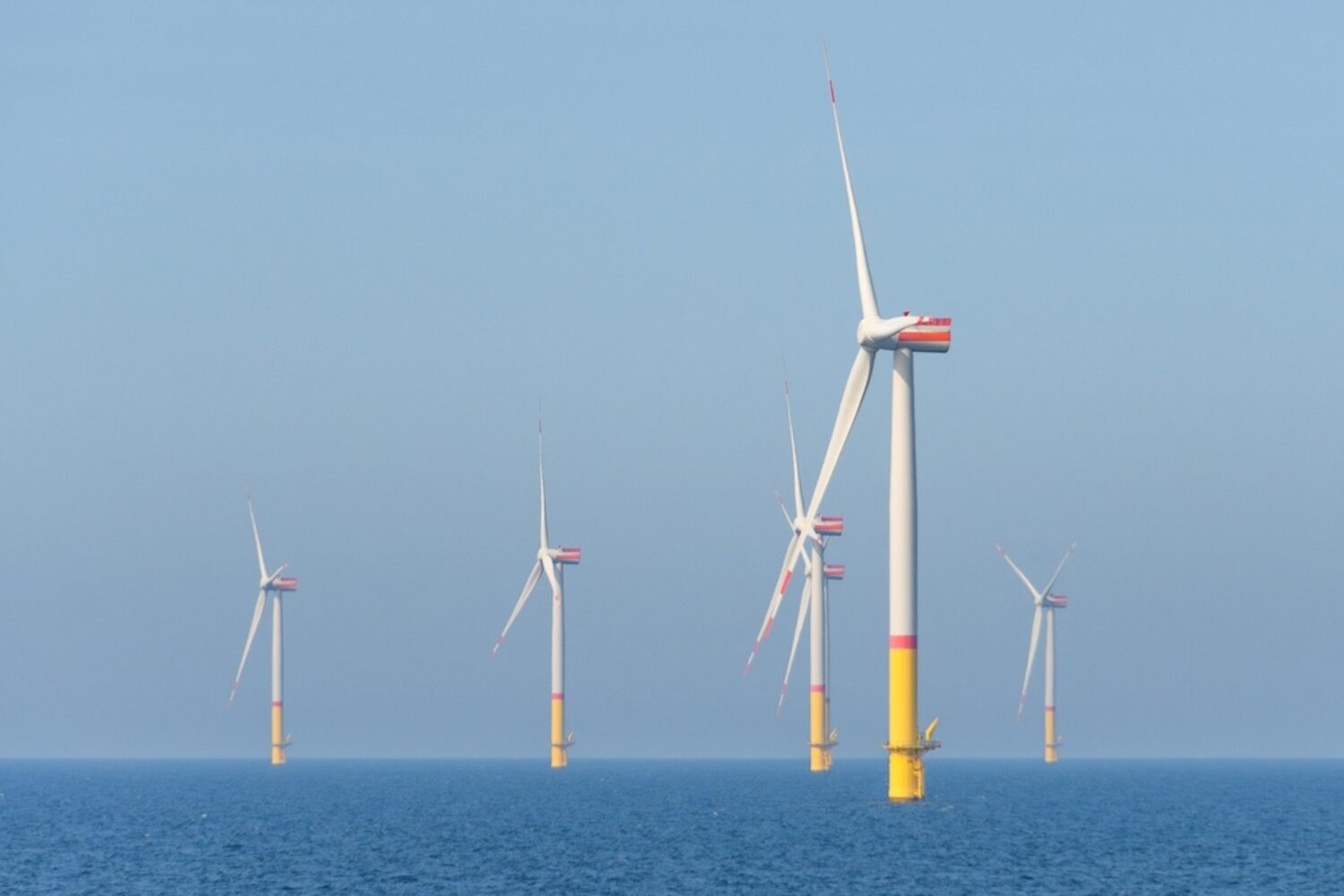
At the North Sea Summit in Hamburg, the participating countries agreed an investment pact to strengthen offshore wind energy.
The aim is a secure, clean and affordable energy supply and greater independence for Europe from fossil fuel imports. Federal Chancellor Friedrich Merz and Federal Minister of Economics Katherina Reiche hosted the meeting on January 26.
In addition to Germany, Belgium, Denmark, France, Ireland, Iceland, Luxembourg, the Netherlands, Norway and the United Kingdom took part. The European Commission and, for the first time, NATO took part, together with more than 140 representatives from companies, associations and NGOs. The UK and France were represented at ministerial level by their energy ministers.
The North Sea Summit is the result of a Danish initiative and was first held in Esbjerg, Denmark, in 2022. This was followed in 2023 by another meeting in Ostend, Belgium, at which the countries agreed to develop the North Sea into a “green power plant for Europe” and to achieve an installed offshore wind capacity of up to 300 GW by 2050.
Improved investment conditions for offshore wind energy
This year’s summit focused on improved investment conditions for offshore wind energy, cross-border planning and financing of wind farms and electricity grids as well as the protection of critical infrastructure. Federal Minister for Economic Affairs Reiche explained: “Today more than ever, the North Sea is a key strategic area for Europe. Together, we are strengthening our economic, security and energy policy interests in the North Sea.”
The core of the summit is an investment pact signed by the energy ministers. This provides for offshore wind farms to be planned and connected on a more cross-border basis in future. Up to 100 GW of generation capacity is to be made available to several neighboring countries simultaneously via electricity connections. The aim is to use land more efficiently, reduce costs and increase the resilience of the European energy system. At the same time, the states are guaranteeing the wind energy and grid industry a reliable pipeline of offshore tenders beyond 2030, thereby creating planning and investment security.
In return, the industry undertakes to reduce the levelized cost of electricity by 30% by 2040. In addition, €9.5 billion is to be invested in new production capacities in Europe by 2030, creating around 91,000 additional jobs.
BSH explains offshore area planning at the Baakenhöft cruise terminal
During a site visit to the Cruise Terminal Baakenhöft, representatives of the Federal Maritime and Hydrographic Agency (BSH) showed a high-ranking delegation from the summit, including Federal Chancellor Merz, how offshore wind energy is prepared and implemented in practice, from site planning and ground and environmental investigations to approval and operational control.
“Offshore wind energy doesn’t just start with the construction of the turbines. It begins with careful planning, reliable data and clear rules,” explained BSH President Helge Heegewaldt. “We ensure that wind energy, grid connections, shipping, nature conservation and safety are coordinated from the outset.”